


-RATED BY




Built in Canada
All Ecoline windows and doors are built in Ontario, Canada
- Top-of-the-line machinery (Forel, Gracco, Bottero) to produce the best products
- Over 60,000 sq. ft manufacturing plant
- Energy Star-rated and NAFS-11-tested
- Manufactured for local weather conditions
Top-25 Popular Questions Homeowners Ask About Exterior Doors
Apr 28, 2026
11 min read
3960
When you start looking for a new exterior door, the first question is often: What will work best for my home?
Next, you’ll think about the practical details. How much should it cost? What size do you need? Should you pick steel or fibreglass? Is glass a good idea? And what about privacy, security, colour, energy efficiency, and installation?
Homeowners ask us these same questions every day. And for a good reason. They are all important to consider before you buy. Since you don’t replace exterior doors often, it’s worth choosing one that looks good, works well, and fits your home’s layout, climate, and daily needs.
A front door does more than just open and close. It adds to your home’s curb appeal, affects comfort, keeps out drafts and moisture, improves security, and can let in more natural light. But if a door is old, not sealed well, or installed incorrectly, you’ll notice problems like cold air, sticking panels, condensation, water leaks, and higher energy bills.
To help make things easier, our experts have answered 25 of the most common questions about replacing exterior doors. We cover prices, materials, sizes, glass options, installation, maintenance, and more.

General Questions About Exterior Doors
1. Which door is best for a front entry?
The right front entry door depends on your home, budget, climate, and style preferences. Steel doors are strong, affordable, and secure. Fibreglass doors are durable, well-insulated, and weather-resistant. For most Canadian homes, insulated steel or fibreglass doors work best. Make sure they are Energy Star-rated and equipped with triple-pane glass, should you select glass entry doors.
2. What is better: steel or fibreglass entry doors?
Steel doors are often more affordable and stronger. Fibreglass doors handle moisture, dents, and tough weather better. Both types can be energy-efficient if insulated and installed well. Your best choice depends on your budget, style, and the weather your entryway faces.
3. Are glass entry doors a good idea?
Yes, glass inserts can bring in natural light and add style to your entryway. You can choose clear, frosted, decorative, or obscure privacy glass. For comfort and efficiency, choose energy-saving triple-pane glass and ensure the door is well sealed.
4. How long do exterior doors usually last?
A good exterior door can last for decades if it’s installed and maintained well. How long it lasts depends on the material, sun and moisture exposure, hardware quality, and if there’s an overhang. Poor installation can significantly shorten its life. But overall expect at least 15 years of good performance for a modern entry door that was properly installed and sealed.
Exterior Door Prices 101
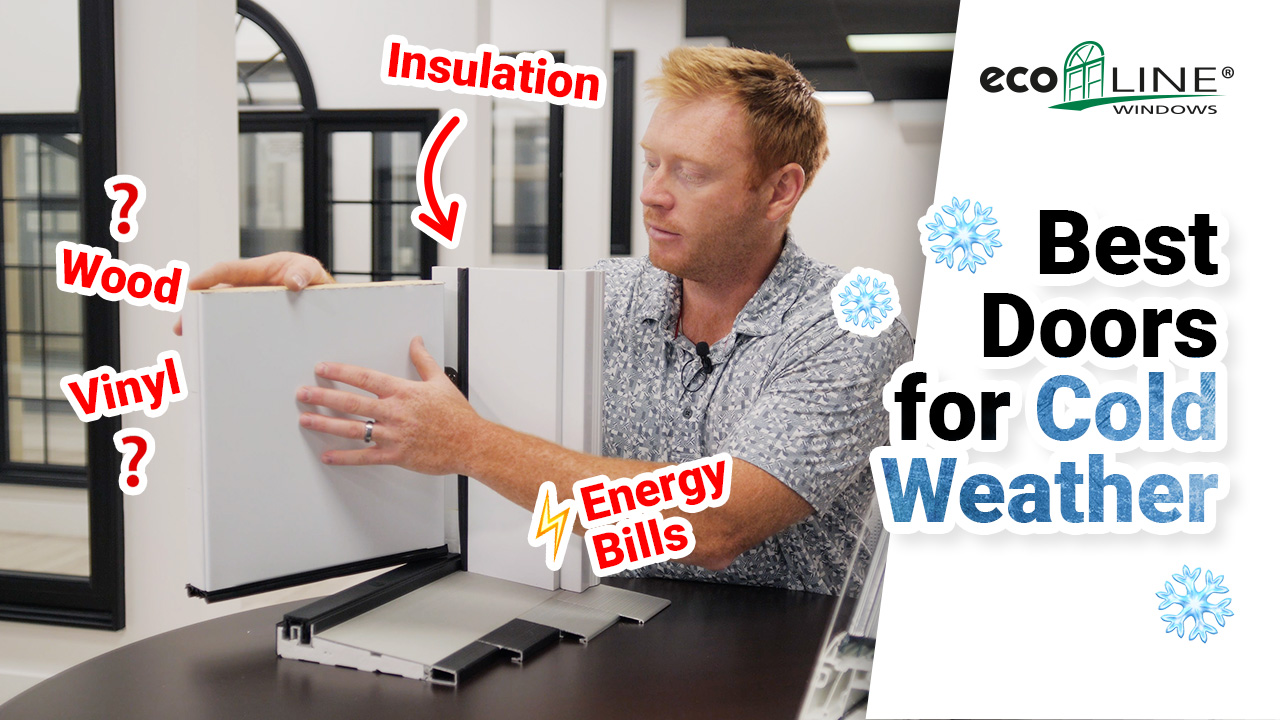
5. How much does an entry door cost?
The cost of an entry door depends on the material, size, glass, colour, hardware, sidelights, and the complexity of the installation. Basic doors cost less, while entry doors with custom features, large sizes, or unique colour schemes can be much more expensive. Expect a price range of $1,220 – $2,350 for a standard single exterior door.
6. Why are exterior doors so expensive?
Exterior doors are more complicated than interior doors. They need to handle weather, security, insulation, moisture, and daily use. The price usually covers the door, frame, threshold, glass, hardware prep, insulation, finishing, labor, and removing the old door.
7. What affects the cost of replacing a front door?
The main factors that affect cost are the door’s material, size, glass style and frame colour, hardware, sidelights, transom, frame condition, and how difficult it is to install. Custom sizes, fancy finishes, decorative glass, multi point lock systems and changes to the structure can raise the price.
8. Is it cheaper to replace just the door or the whole frame?
Replacing just the door slab can cost less, but it’s not always the best choice. If the frame is warped, damaged, not sealed well, or not square, replacing the whole door system usually works better and helps prevent drafts, leaks, and alignment problems. Cheap exterior doors are always a bad idea long-term wise.
9. Are fibreglass doors worth the extra cost?
Fibreglass doors are worth the extra cost if you want long-lasting durability, less maintenance, and better weather resistance. They’re especially good for entryways exposed to moisture, temperature changes, and heavy use. A basic fibreglass exterior door installation costs approximately $1,730 – $2,450, depending on the custom features you choose.
Exterior Door Sizes and Measuring
10. What is the standard entry door size?
A standard front entry door size is usually 36 inches wide and 80 inches tall. But homes can have different sizes, jamb depths, sidelights, or custom openings, so it’s always best to measure your current door before ordering.
11. How tall is a standard entry door?
Most standard entry doors are 80 inches tall, but you can get taller ones. Some homes have 84-inch, 96-inch, or custom-height doors, especially in newer or larger houses. Always check the rough opening and frame size before replacing a door.
12. How wide is a double door entry?
A typical double entry door is about 72 inches wide and 80 inches tall, using two 36-inch doors. But sizes can vary based on your home’s opening, frame, sidelights, and design. Always measure the whole door system, not just one panel.
13. How do you measure an entry door?
Before door installation your installers should measure the door’s width, height, and jamb depth. Check the width at the top, middle, and bottom, and use the smallest number. Also, note the swing direction and whether you’re replacing just the slab or the whole frame.
14. How do you measure an entry door with sidelights?
Measure the entire unit, including the door, sidelights, frame, and the full opening. Don’t just measure the main door panel. For replacements, pros also check the rough opening, frame condition, jamb depth, sill, and if the sidelight setup will stay the same.
Exterior Doors & Energy Efficiency
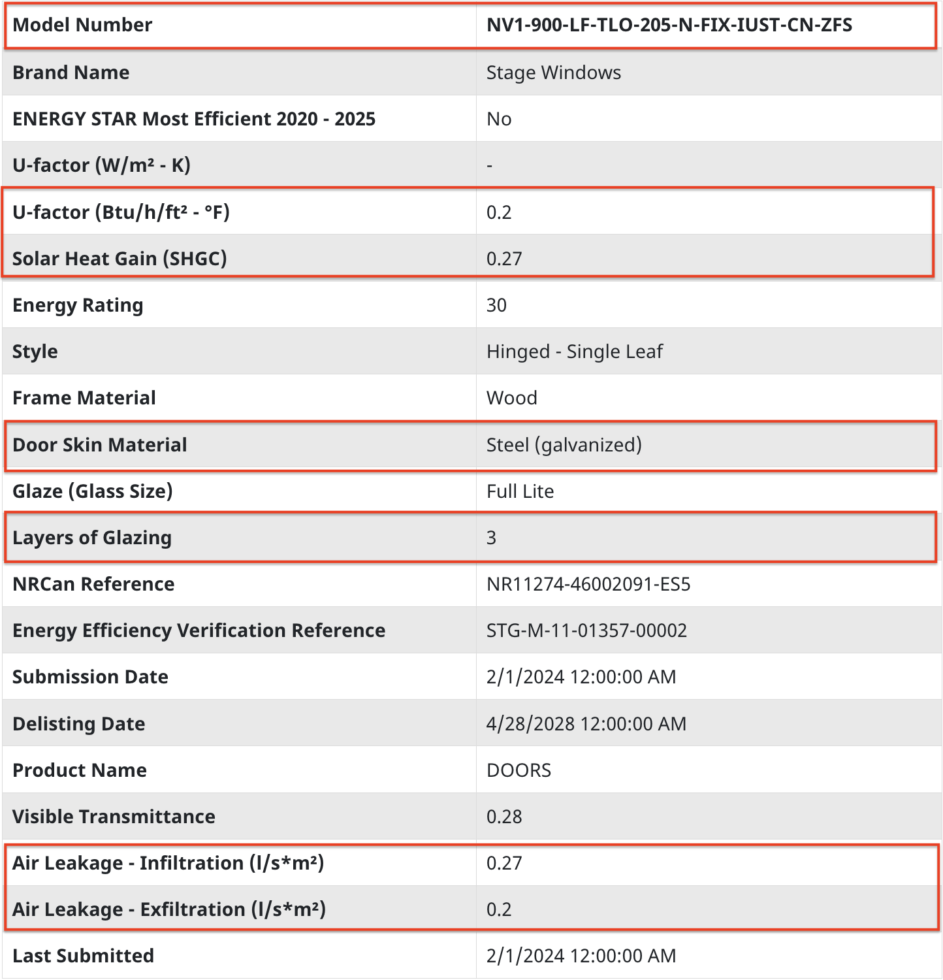
15. What is a good U-factor for an exterior door?
The U-factor tells you how well a door keeps heat inside your home. A lower U-factor means better insulation. In Canada, it’s best to choose ENERGY STAR-rated exterior doors with low U-factors (<0.3), insulated cores, good weatherstripping, and efficient glass if your door has inserts or sidelights.
16. What is a good energy rating for an exterior door?
The energy rating shows how well a door system performs overall, including how much heat it loses, how much sunlight it lets in, and how much air it lets leak. A higher energy rating is better. For the best results, pick an ENERGY STAR-certified exterior door and ensure it is properly sealed and insulated when installed.
Exterior Door Installation and Replacement
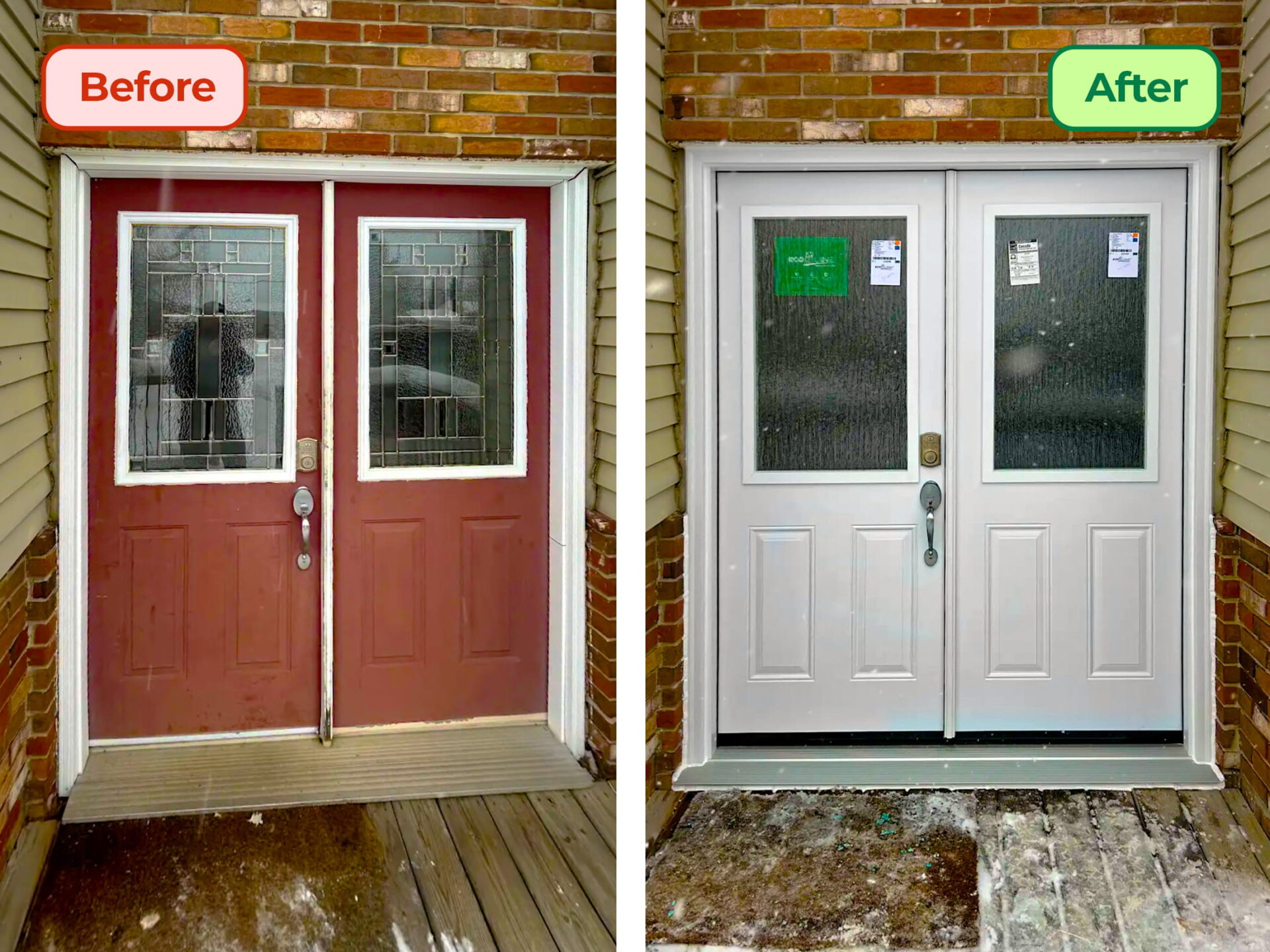
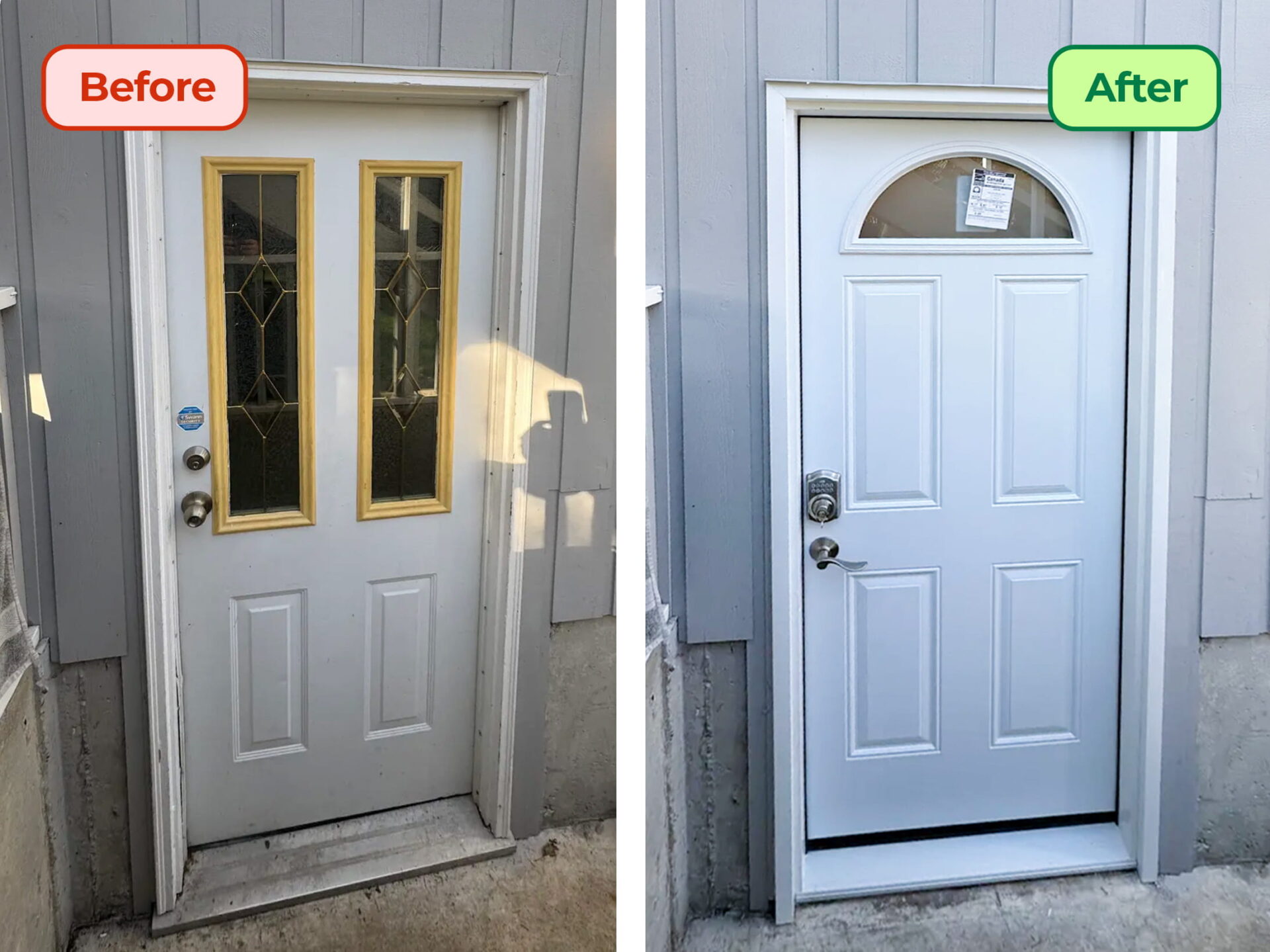
17. How do you replace an entry door?
Replacing an entry door usually means taking out the old door, checking the opening, setting the new pre-hung door, levelling and securing the frame, adding insulation, sealing the outside, installing hardware, and finishing the trim. Getting the alignment right is key for smooth use.
18. How do you install an entry door?
A pre-hung entry door should go into a clean, square, and level opening. The frame needs to be shimmed, fastened, insulated, and sealed. The door should open smoothly, lock well, and fit snugly against the weatherstripping. If it’s installed wrong, you could get drafts and leaks.
19. Can I install an exterior door myself?
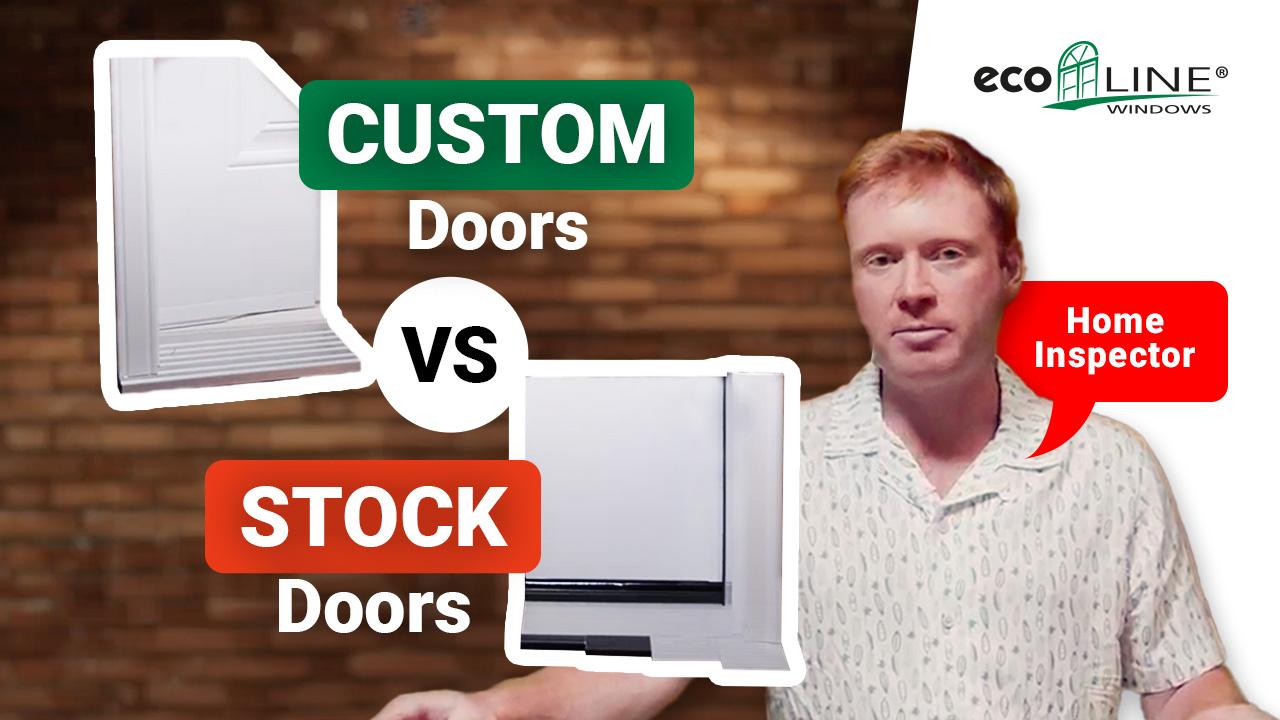
You can install an exterior door yourself, but it’s harder than it seems. The door needs to be square, level, insulated, sealed, and lined up with the lock. Even small mistakes can cause drafts, leaks, security issues, or make the door hard to use. Custom doors usually are installed by a professional installer from your company compared to stock doors you can DIY.
20. How long does it take to replace an exterior door?
Replacing a standard exterior door usually takes a few hours if the opening is in good shape. More complicated jobs, like doors with sidelights, double doors, damaged frames, or custom finishes, will take longer. But it’s usually a one day job for any exterior door installation.
21. Do I need to replace the frame with my exterior door?
You don’t always need to replace the frame, but it’s often a good idea. If the frame is damaged, not square, poorly insulated, or letting in air, just replacing the slab might not fix things. A full-frame replacement usually seals better and lasts longer.
All About Front Doors Maintenance
22. How do you stop door drafts around entry doors?
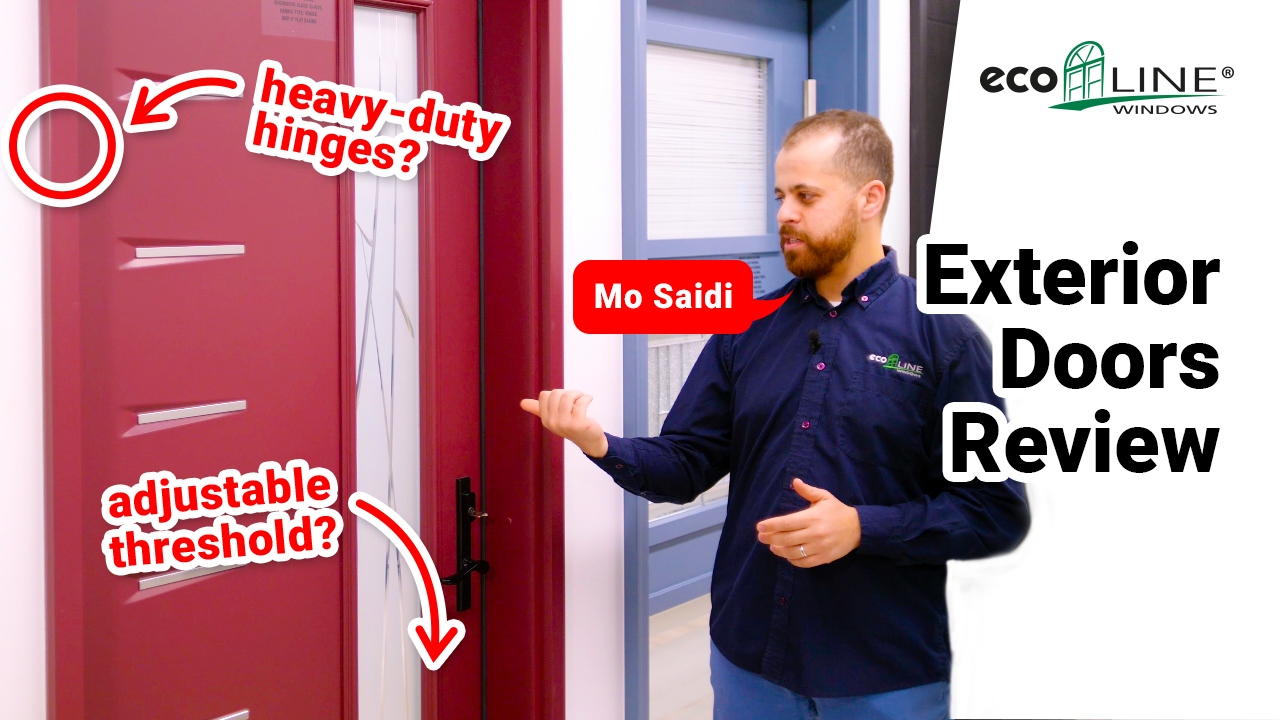
First, check the weatherstripping, door sweep, threshold, frame gaps, and alignment. Small drafts can often be fixed with new seals or a quick adjustment. If the door is warped, doesn’t fit well, or the frame is failing, replacing the whole door might be best.
23. How do you weatherproof an entry door?
To weatherproof your entry door, replace old weatherstripping, seal exterior gaps with caulk, adjust the threshold, check the door sweep, and ensure the door closes tightly. A professionally installed insulated door system offers the best long-term protection from drafts and moisture.
24. Why is my front door hard to open or close?
A front door might stick because the frame has moved, the hinges are worn, the door has swelled, it’s not aligned, the weatherstripping is damaged, or there are installation problems. If your door rubs, won’t latch, or leaves gaps, get it checked before it affects security or energy use.
25. How often should exterior doors be maintained?
Look over your exterior door at least once a year. Check the weatherstripping, caulking, hinges, locks, glass seals, paint or finish, and threshold. Regular upkeep helps stop drafts, moisture damage, sticking, and early wear, especially in tough Canadian weather.

1750 Coast Meridian Rd #102,
Port Coquitlam, BC V3C 6R8
100, 17866 106A Avenue,
Edmonton, AB, Canada,
T5S 1V3
3307 Dunmore Rd SE #12,
Medicine Hat, AB,
Canada, T1B 3R2
2081 Merivale Rd #201, Ottawa, ON, Canada, K2G 1G9
by appointment only
108, 55 Akerley Blvd, Dartmouth,
NS, Canada, ВЗВ 1M3