


-RATED BY




Built in Canada
All Ecoline windows and doors are built in Ontario, Canada
- Top-of-the-line machinery (Forel, Gracco, Bottero) to produce the best products
- Over 60,000 sq. ft manufacturing plant
- Energy Star-rated and NAFS-11-tested
- Manufactured for local weather conditions
Can You Replace Windows in Canadian Heritage Buildings?
Sep 4, 2026
15 min read
1145
You can replace windows in a heritage building, but the process is different from a regular home upgrade. Most of the time, homeowners and strata managers can proceed if the new windows look like the originals and they get the right approvals.
Many projects face challenges at this point. Older windows are often drafty and inefficient, which can raise heating bills and cause condensation. Some windows hardly open at all. Worries about city approval or picking the wrong product can also lead to expensive mistakes.
This is common in buildings 60 to 80 years old. Many retain original single-pane windows or outdated retrofits that fall short of modern comfort standards. Hardware may no longer function, forcing residents to find alternative ventilation. Previous changes, such as metal inserts, can worsen drafts.
Heritage status comes with extra responsibility. Windows do more than just work. They help define the building’s appearance. If changes are made carelessly, the whole appearance can change, which is why there are rules to follow.
Our experts explain what homeowners and strata managers should think about before starting a heritage window replacement. This includes what you’re allowed to do, what approvals you need, how to use modern solutions while following heritage rules, and common mistakes to avoid.

What Makes a Building “Heritage” (And Why Windows Matter So Much)
A building is called “heritage” when it is officially recognized for its historical, architectural, or cultural importance. This can happen at the city or provincial level. Once a building is designated, certain features are protected, and windows are almost always included.
Windows are among the most prominent features of any building. Their size, shape, and placement define the building’s character. Significant alterations can compromise the original appearance.
In many older buildings, especially from the 1940s and 1950s, windows were made with specific proportions. Features such as double-hung windows, thick frames, and deep openings were chosen deliberately to match the building’s style. Heritage guidelines are meant to protect these details.
However, original windows typically underperform compared to modern options. Most feature single-pane glass, lack insulation, and have minimal sealing. Increasing glass thickness added weight but did not resolve insulation issues.
In older buildings, windows account for up to 25 to 30 percent of total heat loss, resulting in significant energy inefficiency.
This creates a challenge: you want better comfort and efficiency, but you also need to keep the original look. It’s important to understand this balance before you think about replacing your windows.
Can You Actually Replace Windows in a Heritage Property?
In most cases, windows in heritage buildings can be replaced. However, replacement is not considered a standard renovation; it is reviewed as a modification to a protected element, so approvals must be obtained before installation.
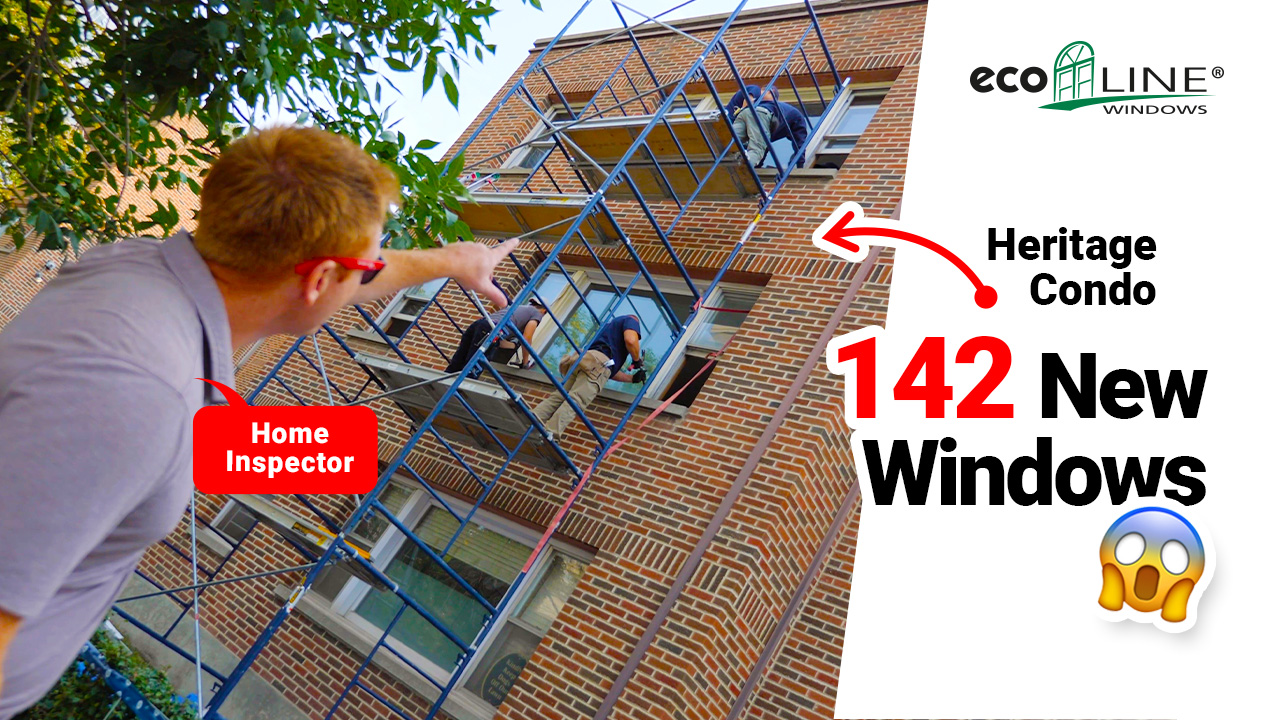
Homeowners and strata managers first need to decide if the project is a restoration or a replacement. Full restoration means rebuilding windows to match the original materials and their operation, which may be required for highly protected buildings. But in many cases, modern windows are allowed if they look very similar to the originals.
This usually means you have to keep the same style, size, and outside look. For example, a double-hung window should still look the same from the outside, even if the inside parts are updated for better performance.
“And I’ll take that even one step further. We have to spend a lot of time with the city as a heritage resource for exactly what the window can look like. Like double hung, we can’t change nature of it, exact moulding on the inside has to stay intact, even the centrepiece!”, says Cathy Butler, one of the co-owners of the heritage building at one of the window replacement projects Ecoline recently completed.
Cathy explains that the residential tenancy agreement require heritage buildings to have a set number of window panes and to meet certain energy efficiency standards. These rules have slowed down the pace of changes. The management board tested a few solutions to see how they would work, especially if tenants experienced condensation or other issues.
Getting approval can take time. Your plans are checked before any work starts to ensure they comply with heritage rules. You might need to provide drawings, details, samples or mockups. For bigger buildings, this process can take weeks or even months.
What typically requires approval:
- Changes to the window size or opening
- Switching window styles or configurations
- Altering frame thickness or sightlines
- Exterior colour changes or finishing details
What may be more straightforward:
- Like-for-like replacements that match the original design
- Upgrades that do not affect the exterior appearance
- Interior improvements that remain invisible from the outside
One detail that’s often missed is how strict some rules are. In some projects, the interior wood casings and mouldings must stay exactly as they are. Installers can’t change, trim, or remove any of these parts, even if it would make the job easier.
Experience matters a lot in these projects. Success depends not just on picking the right window, but also on planning the work to follow the special rules for heritage properties.
Replacement vs Restoration: What Actually Makes Sense
This is often the first major decision, and opinions can be divided. Some advocate for full restoration to preserve authenticity, while others prefer replacement to address comfort and efficiency concerns.
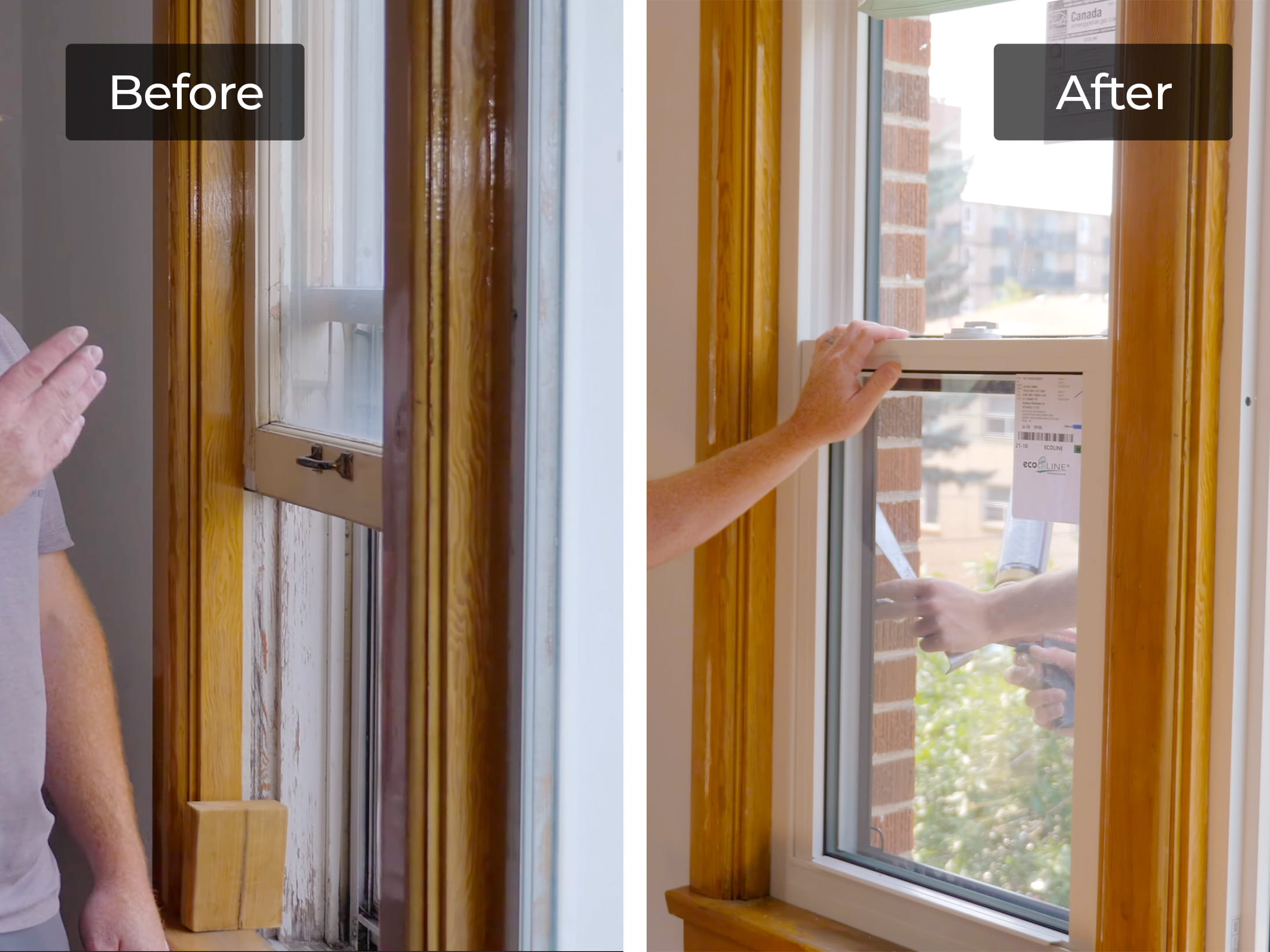
The best choice depends on how your current windows are and what you want from the project. Restoration might seem like the safer option, but it usually takes a lot of work and mostly improves how the windows look, not how they perform.
Many original windows in heritage buildings are past their useful life. The parts may stop working, and frames can warp, so residents end up using temporary fixes. In these cases, restoration often just delays bigger problems.
Here is how the two approaches compare in real conditions:
| Factor | Restoration | Full Replacement |
| Cost | Often higher due to labour | More predictable per unit |
| Energy Efficiency | Limited improvement | Significant upgrade |
| Lifespan | Shorter, depends on condition | 20-30+ years |
| Maintenance | Ongoing repairs required | Minimal |
| Comfort | Drafts and leaks often remain | Immediate improvement |
Restoration makes sense when the windows are still structurally sound, and the goal is to preserve original materials as much as possible. It can also be required in buildings with stricter heritage protection.
Replacement is often preferable when performance issues impact daily life. Persistent drafts, condensation, difficult operation, and increased energy costs indicate that existing windows are no longer adequate.
Many projects now choose a balanced approach. Modern windows can look almost identical to the originals but make the inside much more comfortable. This way, the building keeps its character on the outside and feels better to live in.
Most homeowners ultimately seek this balance, even if it is not their initial priority.
Installation Isn’t Standard in Heritage Buildings
At this point, you may need to adjust your expectations. Even with the right windows and approvals, installation is rarely simple.
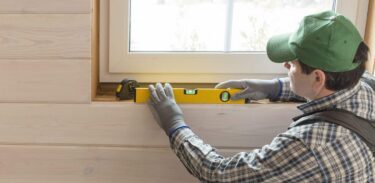
In standard homes, installers typically work from the interior. They remove the old window, adjust the opening if necessary, install the new unit, and complete sealing from inside, allowing for on-the-spot adjustments. This flexibility is often unavailable in heritage buildings.
Interior wood casings, trims, and mouldings are often protected and cannot be changed. Installers have to plan the job differently to ensure these parts remain untouched.
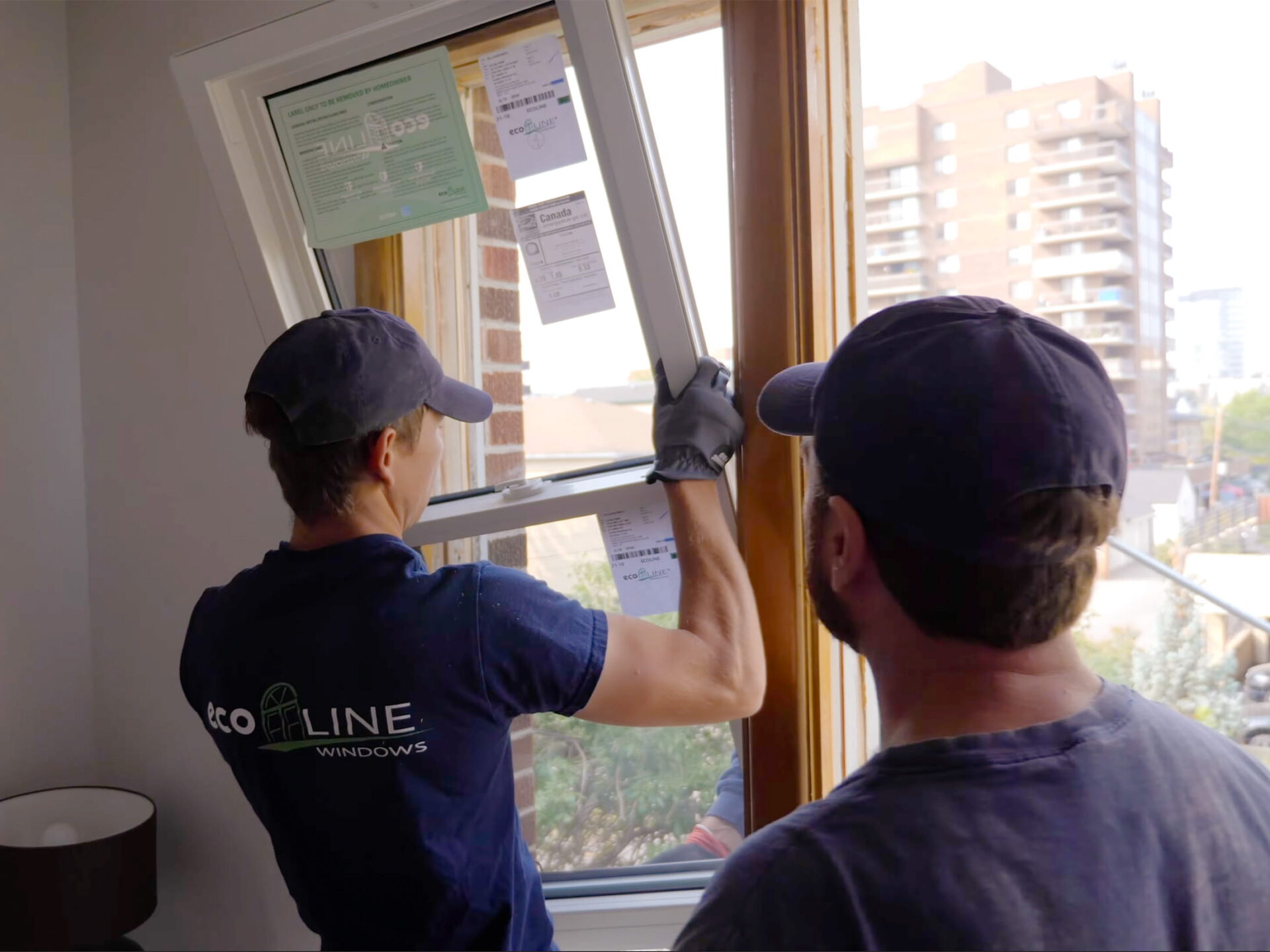 Heritage building window replacement by the Ecoline crew
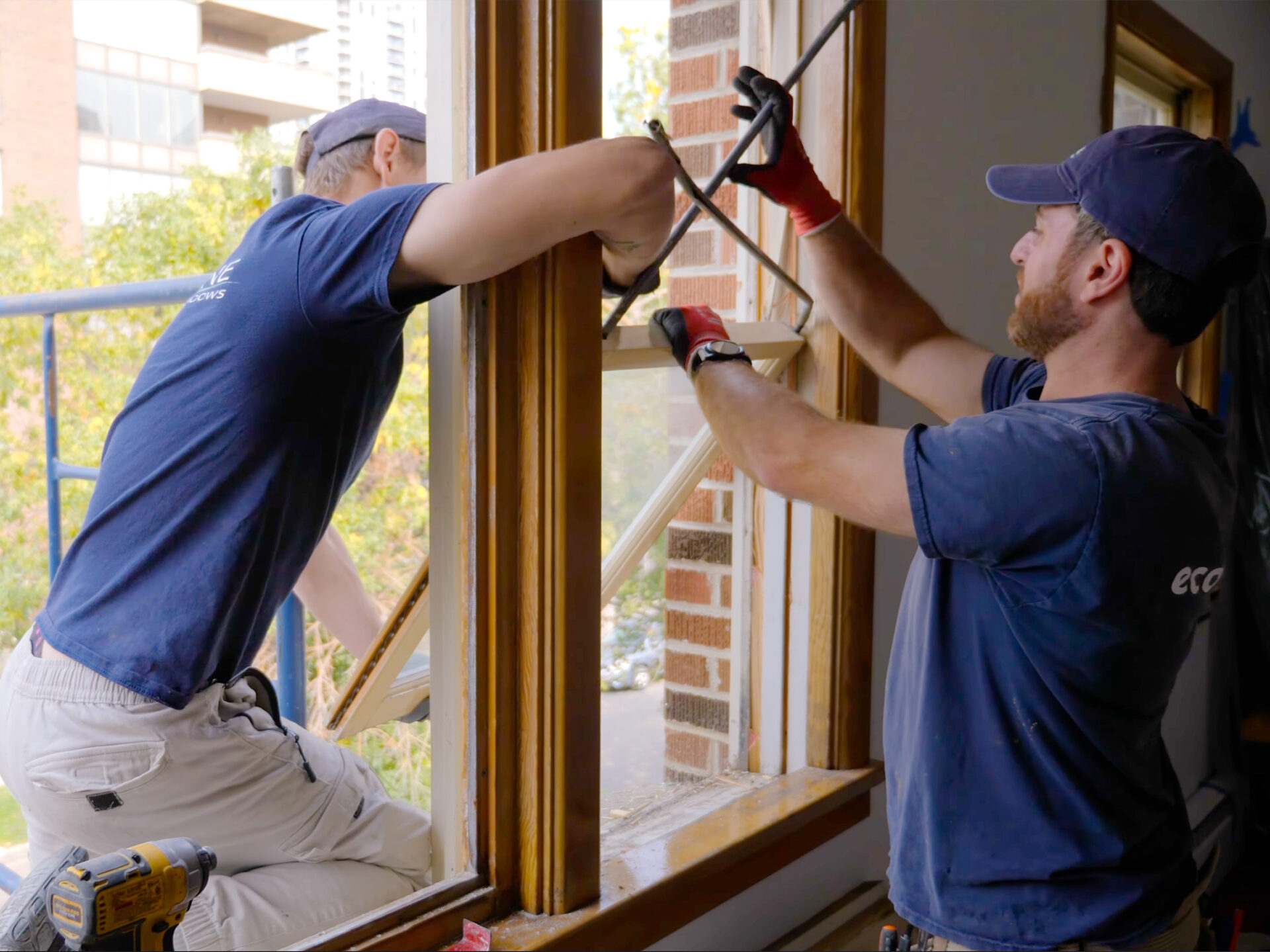
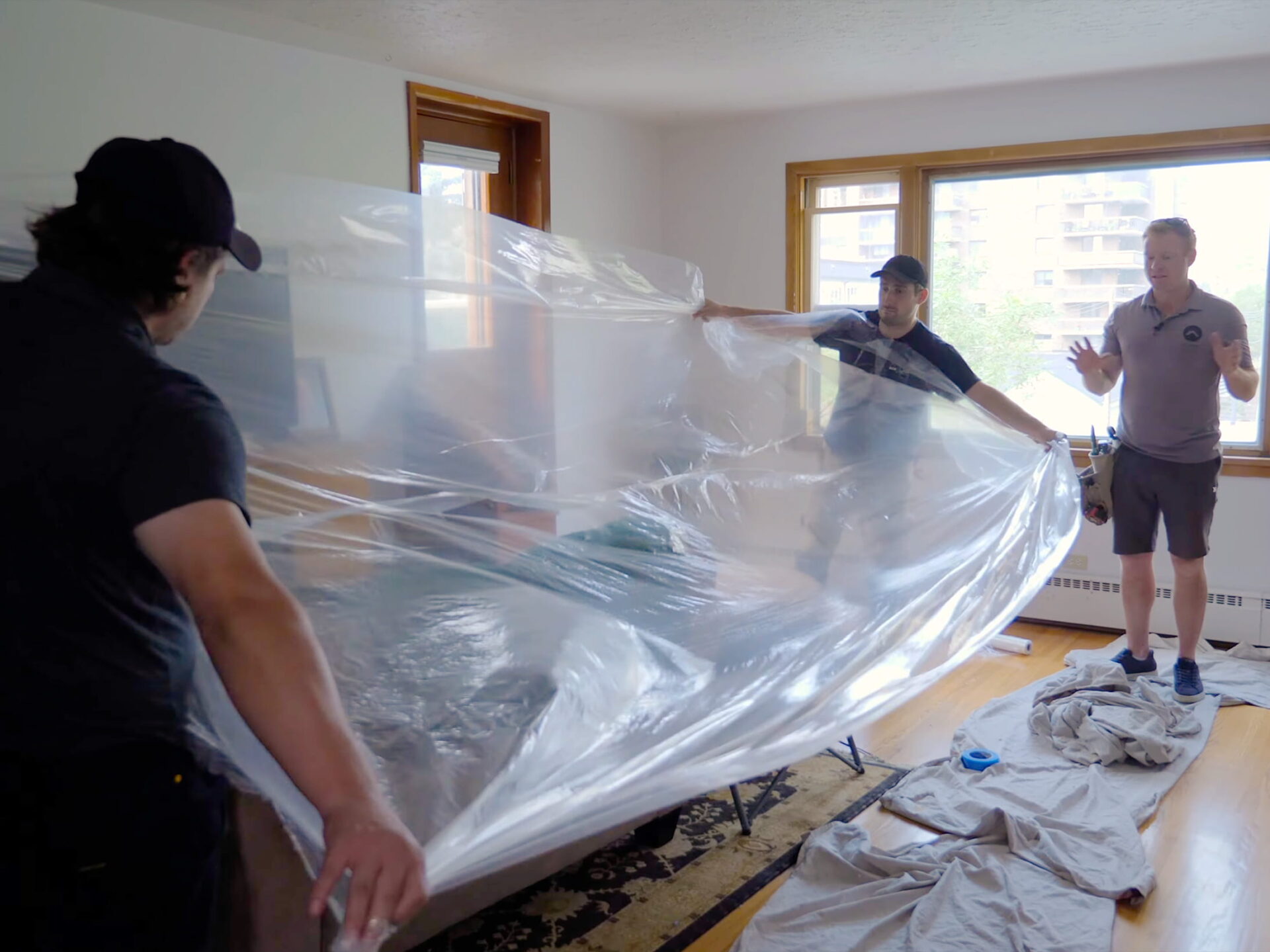
To protect the interior finishes, windows are often installed entirely from the outside, which complicates the project. Exact measurements are very important before making the windows, since there’s little room for changes on site.
Structural differences also present challenges. Some older buildings use solid structural brick rather than modern wood framing, which means:
- Openings cannot be easily modified
- Shimming options are limited
- Colour schemes are limited
- Windows styles should remain the same
After the windows are in, sealing them properly is very important. Crews add insulation and foam from the outside to keep air and moisture out. Custom exterior cladding, often made on site, finishes the job and matches the building’s look.
Working at height introduces additional challenges. Multi-storey buildings require scaffolding, which must be set up, moved, and adjusted throughout the project. Installers proceed section by section to ensure safety, efficiency, and consistency.
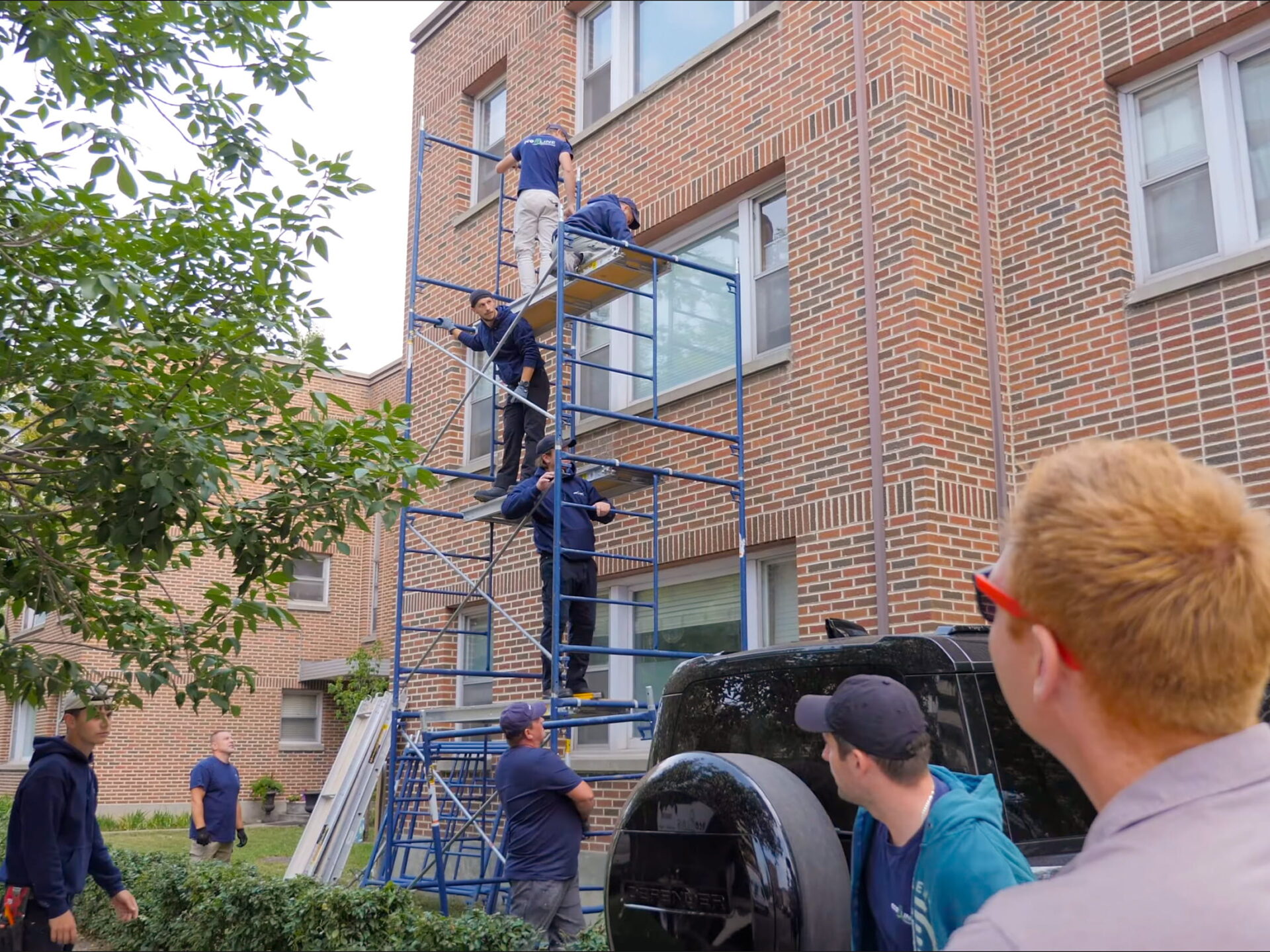
Experience is key for these complex projects. Skilled crews can handle several windows a day, keep access open, protect the interior, and quickly restore the space. When done right, there’s little disruption inside, even with lots of work outside.
Homeowners are often surprised at this stage. Even though the new windows may look the same, the way they’re installed is very different from a regular replacement.
Choosing the Right Windows Without Breaking Heritage Rules
This step often decides if your project goes smoothly or runs into delays. The aim is to improve performance while keeping the building’s outside look the same.
Most heritage guidelines emphasize visual consistency, including window proportions, frame thickness, and placement. When these details are maintained, there is often more flexibility regarding internal window features than many expect.
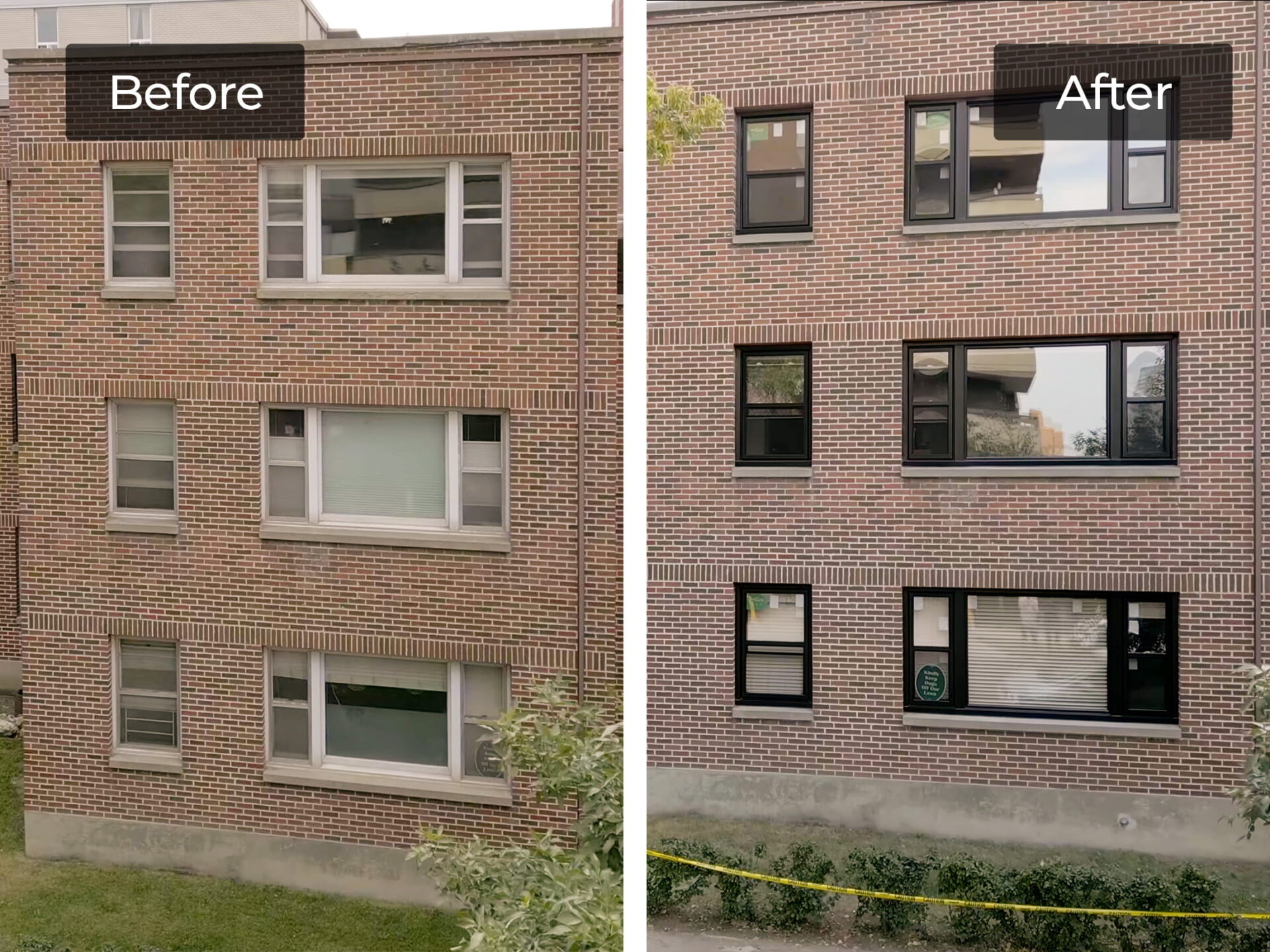
Common approved approaches in heritage building window replacement include:
- Maintaining the original window style, even if the window operates differently internally
- Using slim-profile frames that match original sightlines
- Replicating grille patterns or divided lites
- Matching exterior window colours to the existing facade
Even though the windows look traditional, the upgrades can make a big difference.
Modern windows may feature multi-chamber frames, improved sealing, and insulated glass with argon or krypton gases. Upgrading from single-pane to triple-pane windows significantly enhances comfort and can result in a 55% boost in energy efficiency.
What Does It Cost to Replace Windows in a Heritage Building?
This is a common question once you understand the process. Heritage window replacement usually costs more than standard projects because of additional requirements beyond the windows themselves.
Windows are rarely standard sizes in heritage buildings. Many openings differ, requiring custom fabrication for each space. Heritage requirements for specific styles or proportions further increase manufacturing complexity.
Key cost factors to consider:
- Number of windows and overall project scale
- Custom sizing and manufacturing requirements
- Installation complexity (exterior access, scaffolding, structure type)
- Condition of existing openings
- Approval and planning process
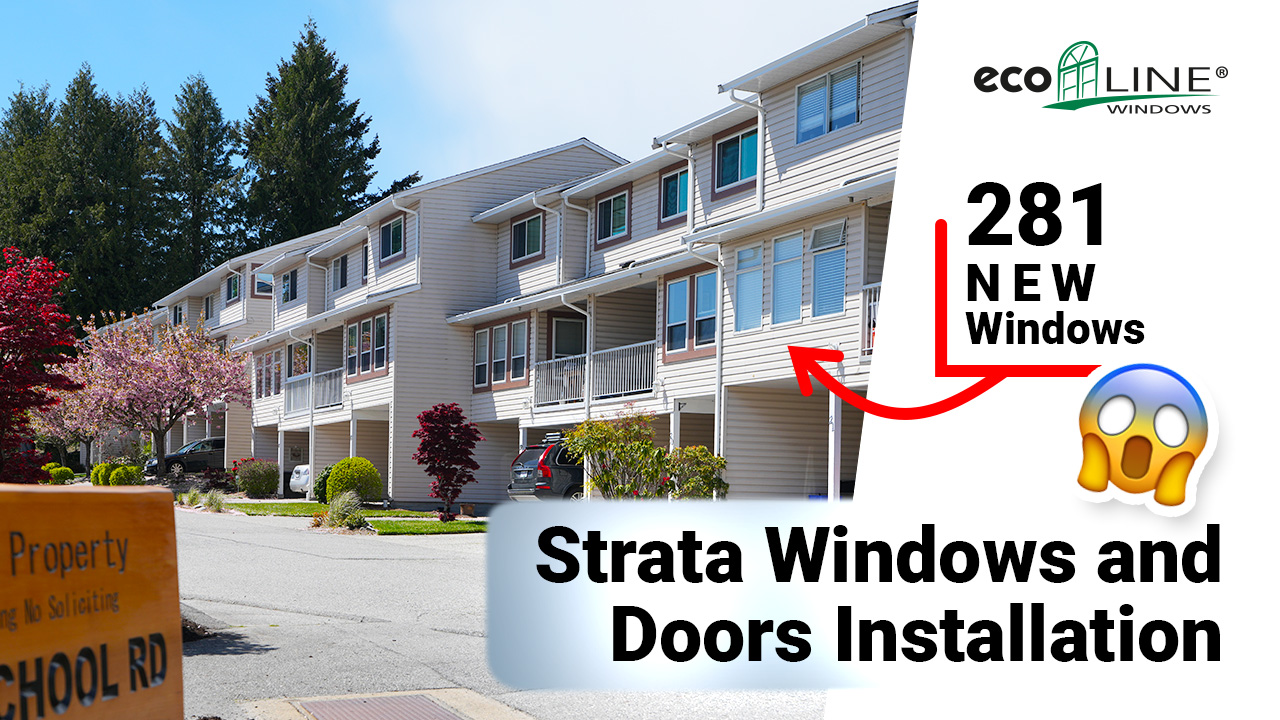
For smaller projects, custom work can raise the cost per window. In multi-unit buildings, the price per window is often lower, helping spread out the total cost, even for large-scale installations.
Strata councils and homeowners often weigh performance against budget. While triple-pane windows offer maximum efficiency, double-pane units in large-scale projects can significantly improve comfort while keeping costs manageable.
It’s important to remember this isn’t a quick upgrade. It’s a planned renovation with many steps. But when done well, the benefits last for years: less energy loss, more comfort, and a building that keeps its original character without window issues.
Do You Need to Work With the City? What Actually Gets Reviewed
The short answer is yes. Most heritage projects require you to work with the city or local heritage authority before you start. This review ensures the building maintains its original character after the upgrades.
The process usually begins by submitting basic documents, such as drawings of the current and planned windows, along with details on materials, colours, and designs. You may also need to provide samples or mockups to show what the finished windows will look like.
What the city typically reviews:
- Window style and operation (for example, maintaining a double-hung appearance)
- Frame proportions and sightlines
- Exterior window colour and finishing details
- Grille patterns or divided lites
- Any changes to the size or shape of the openings
Authorities are generally not concerned with internal window operation, providing homeowners with flexibility. As long as the exterior complies with heritage guidelines, modern features such as insulated glass, improved sealing, and upgraded hardware are typically permitted.
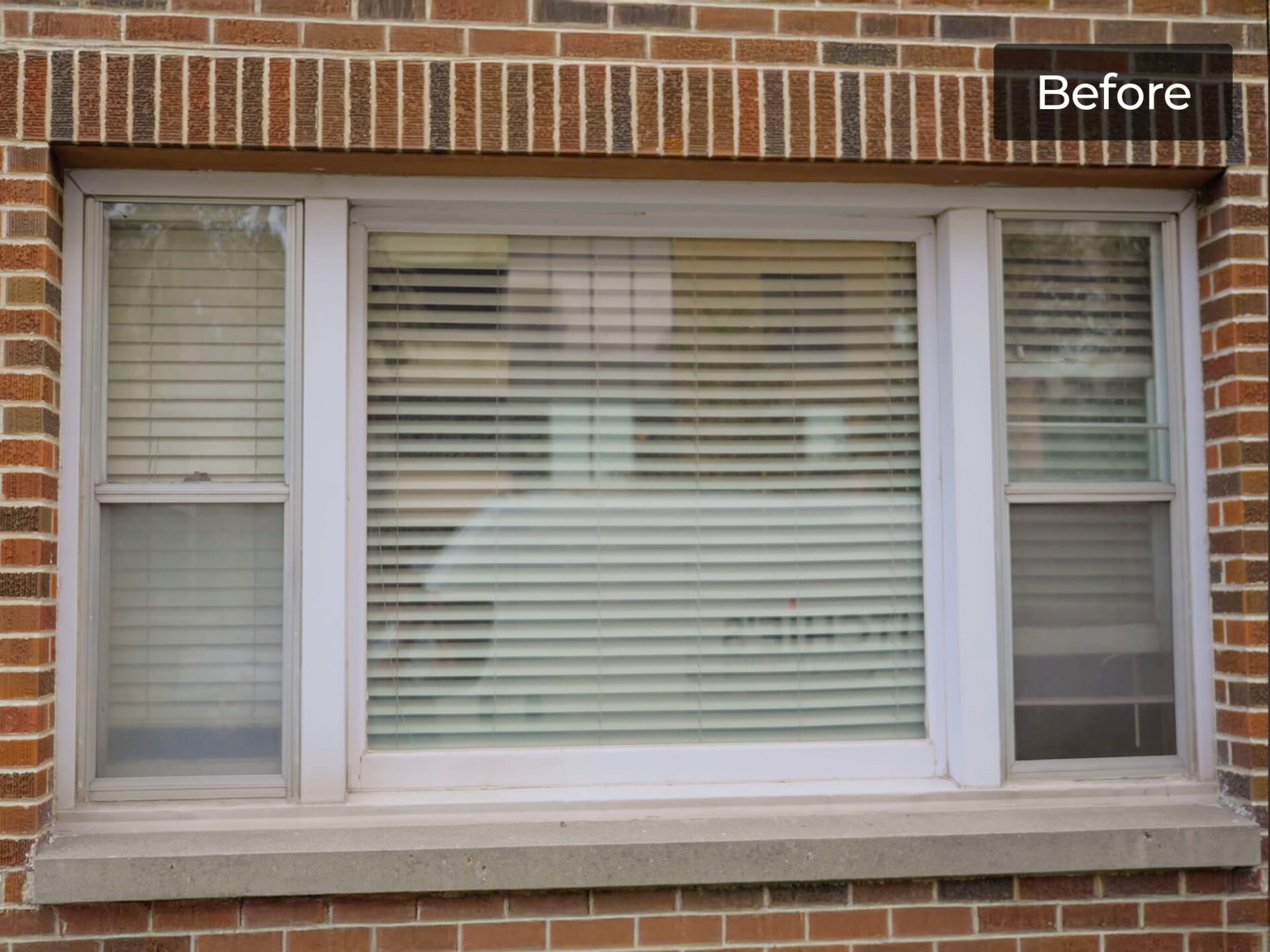
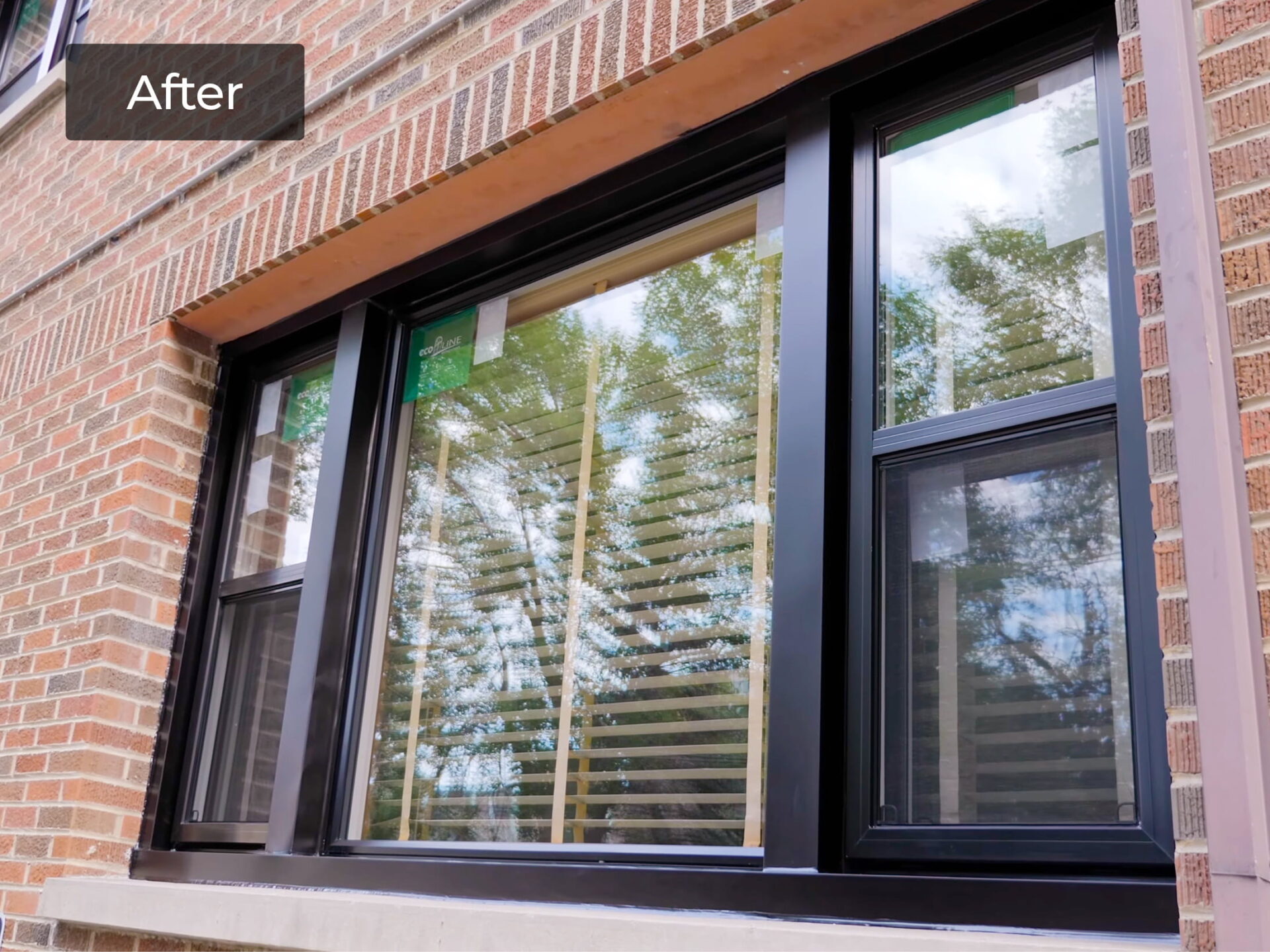
Approval time depends on the project. Smaller, like-for-like replacements might be approved quickly, but larger or more complex upgrades, especially in multi-unit buildings, often take longer and require more coordination.
Even though this step can feel like a hurdle, it actually helps the project go more smoothly. Once you have approval, installation is more predictable because everyone knows what to expect.
Wrapping up
You can replace windows in heritage buildings if you balance keeping the original look with improving performance. Getting approvals, matching the design, and using special installation methods are important, but they’re manageable with good planning.
The main goal is to keep the building’s original exterior while making the interior warmer, quieter, and more comfortable, without drafts, tricky hardware, or temporary fixes.
Homeowners and strata managers should plan early, follow the rules, and work with a team that knows heritage requirements from the start.
Ecoline handles heritage window replacement projects with full coordination, from design approvals to final installation, ensuring every detail meets both performance standards and heritage expectations.
If you’re thinking about upgrading windows in a heritage property, start by getting a professional consultation from Ecoline experts to find the best options for your building.
Can you replace windows in a heritage home in Canada?
Yes, you can usually replace windows in a heritage home, but you need to follow local heritage rules. This means keeping the original look, such as the window style, size, and outside details. You often need approval from the city or heritage office before starting the work.
What type of windows are allowed in heritage buildings?
Heritage buildings usually need windows that look like the originals. This often means using the exact same window styles, certain frame sizes, and grill patterns. Modern windows are allowed if they match the old look and offer better energy efficiency, such as double or triple-pane glass.
Do heritage window replacements require permits or approval?
Yes, you usually need approval before starting any heritage window project. Homeowners or building managers often have to provide window details, drawings, and designs. The review mainly checks how the new windows will look from the outside, not just how they work.
Is it better to restore or replace heritage windows?
It depends on how your current windows are holding up. If the frames and parts are still in good condition, restoring them can work well. But if the windows are drafty, damaged, or not energy efficient, replacing them is often better because new windows offer more comfort and better insulation.

1750 Coast Meridian Rd #102,
Port Coquitlam, BC V3C 6R8
100, 17866 106A Avenue,
Edmonton, AB, Canada,
T5S 1V3
3307 Dunmore Rd SE #12,
Medicine Hat, AB,
Canada, T1B 3R2
2081 Merivale Rd #201, Ottawa, ON, Canada, K2G 1G9
by appointment only
108, 55 Akerley Blvd, Dartmouth,
NS, Canada, ВЗВ 1M3