


-RATED BY




Built in Canada
All Ecoline windows and doors are built in Ontario, Canada
- Top-of-the-line machinery (Forel, Gracco, Bottero) to produce the best products
- Over 60,000 sq. ft manufacturing plant
- Energy Star-rated and NAFS-11-tested
- Manufactured for local weather conditions
How to Clean Window Blinds Without Taking Them Down?
May 20, 2026
13 min read
2081
Window blinds gather more than just dust. Depending on the room, they can also trap pet hair, pollen, cooking grease, moisture, and tiny particles from outside. Regular cleaning does more than improve how they look. It keeps the window area cleaner, protects the material, and helps the blinds work smoothly.
In most homes, cleaning blinds and shades is straightforward: dust or vacuum them every week or two, clean up stains as soon as you see them, and do a deeper clean every few months. The right method depends on the type of blind. Roller, zebra, cellular, vinyl, aluminum, wood, and motorized blinds all respond differently to water, soap, pressure, and heat.
In this guide, our experts break down how to clean blinds without removing them, how often to clean, which products to avoid, and when it might be time to replace old blinds.


How Often Should You Clean Blinds?
Most blinds do not need a deep clean every week. Instead, regular light cleaning is enough. Dust, pollen, pet hair, and cooking residue are easier to remove if you do not let them build up.
| Room | Recommended Cleaning Frequency | Why |
| Kitchen blinds | Weekly | Cooking oils can mix with dust and create sticky residue |
| Bathroom blinds | Weekly | Moisture can lead to staining, odours, or mildew |
| Bedroom blinds | Every 1-2 weeks | Dust buildup control, sleeping quality improvement |
| Living room blinds | Every 1-2 weeks | Controls normal dust buildup |
Indoor dust is more than just a cosmetic issue. Most research says that dust mites and pet dander are common indoor air quality problems. Other biological contaminants include mould, mildew, pollen, and animal dander.
The main rule is simple: dust often, clean stains right away, and do not let dirt pile up.
What You Need to Clean Blinds for Windows Safely
You do not need strong cleaners for most blinds. In fact, harsh products can cause more problems than they fix.
Use:
- Microfiber cloth
- Vacuum cleaner with a soft brush attachment
- Mild dish soap
- Lukewarm water
- Soft sponge
- Dry towel
- Hair dryer on a cool setting for cellular shades
Avoid:
- Bleach
- Abrasive powders
- Scrub brushes
- Steam cleaners, unless the manufacturer allows them
- Strong vinegar solutions on delicate fabric or coated materials
- Too much water on wood, bamboo, fabric, or motorized blinds
The safest approach is to start with dry cleaning, then spot-clean only where needed. Most damage happens from using too much water, scrubbing too hard, or using the same method on every type of blind.
| Blind Type | Best Cleaning Method | Avoid |
| Roller blinds | Vacuum gently and spot-clean | Rolling up damp fabric |
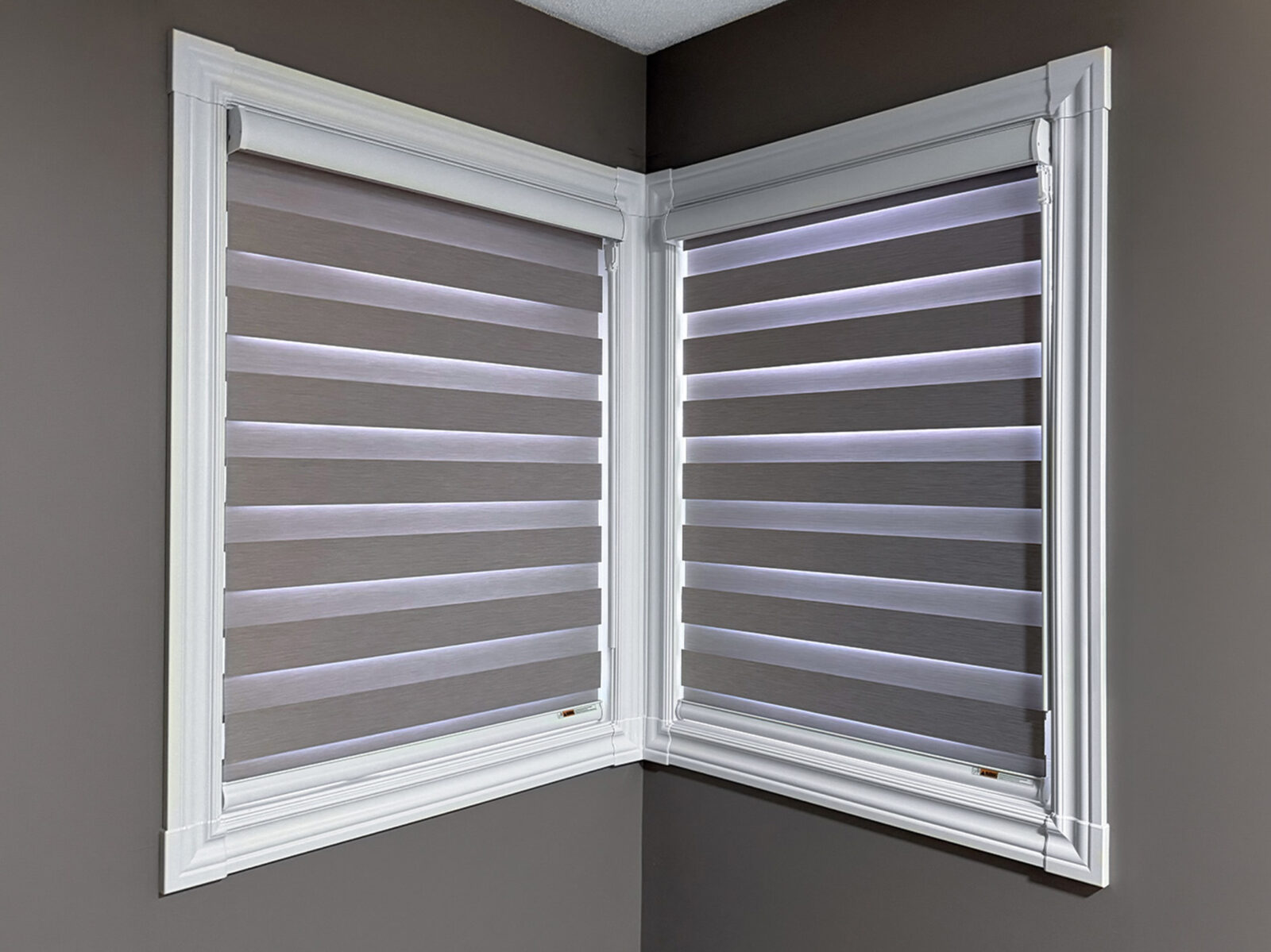
| Zebra blinds | Horizontal vacuuming with a soft brush | Scrubbing sheer fabric bands |
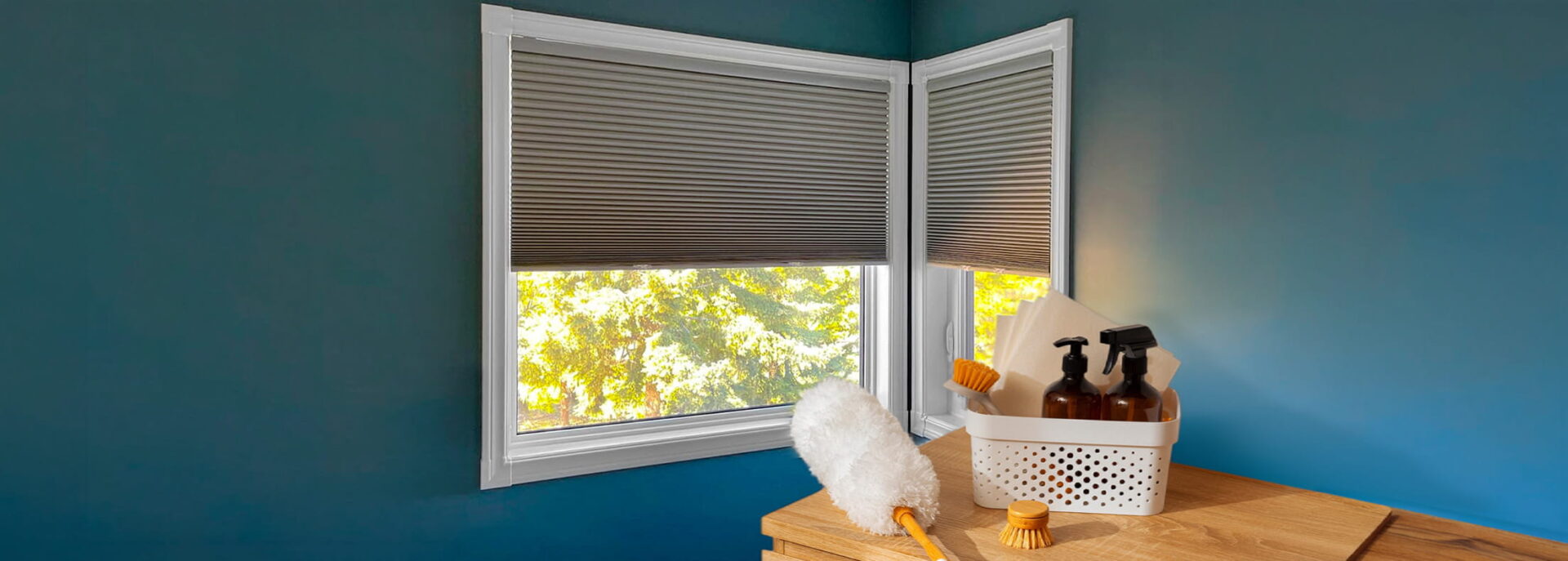
| Cellular shades | Low-suction vacuuming and cool air | Soaking the cells |
| Vinyl blinds | Microfiber cloth and mild soap | Abrasive brushes |
| Aluminium blinds | Light dusting and careful wiping | Bending thin slats |
| Wood blinds | Dry microfiber cloth | Water, steam, and soaking |
| Motorized blinds | Dry dusting and careful spot cleaning | Moisture near the motor or wiring |
Step-by-Step Tutorial How to Clean Blinds Without Taking Them Down
For regular cleaning, you can usually clean blinds while they are still on the window. This is often safer than taking them down, especially for large, motorized, or custom blinds.
Step 1. Close or Lower the Blinds Fully
Close the slats or lower the shade completely. This gives you a flat surface to clean and helps prevent uneven pressure. For horizontal blinds, clean one side first, then tilt the slats in the opposite direction and repeat.
Step 2. Remove Loose Dust First
Use a microfiber cloth or a vacuum with a soft brush. Start at the top and work your way down so dust does not fall onto spots you have already cleaned. Set the vacuum to its lowest suction. This is especially important for thin aluminum blinds, delicate fabric shades, and cellular shades.
Step 3. Spot-Clean Visible Marks
Mix a little mild dish soap with lukewarm water. Dampen a cloth, wipe the stain, then use a second cloth with just water to remove any soap left behind. Do not spray cleaner directly onto the blinds. Apply the cleaning solution to the cloth first.
Step 4. Dry the Blinds Before Raising Them
This is especially important for roller, zebra, and cellular shades. Rolling or folding damp blinds can trap moisture, leading to odours, mildew, fabric damage, or stains.
Step 5. Check the Mechanism
After cleaning, raise and lower the blinds a couple of times. If they stick, roll unevenly, or feel stiff, do not force them. The problem might be with the mechanism, not the fabric.
How to Clean Different Types of Blinds
Each type of blind needs its own cleaning method. Using the wrong one can leave streaks, stretch the fabric, warp wood, or damage the mechanism. So here is how to clean your blinds based on the type, style and configuration.
How to Clean Roller Blinds
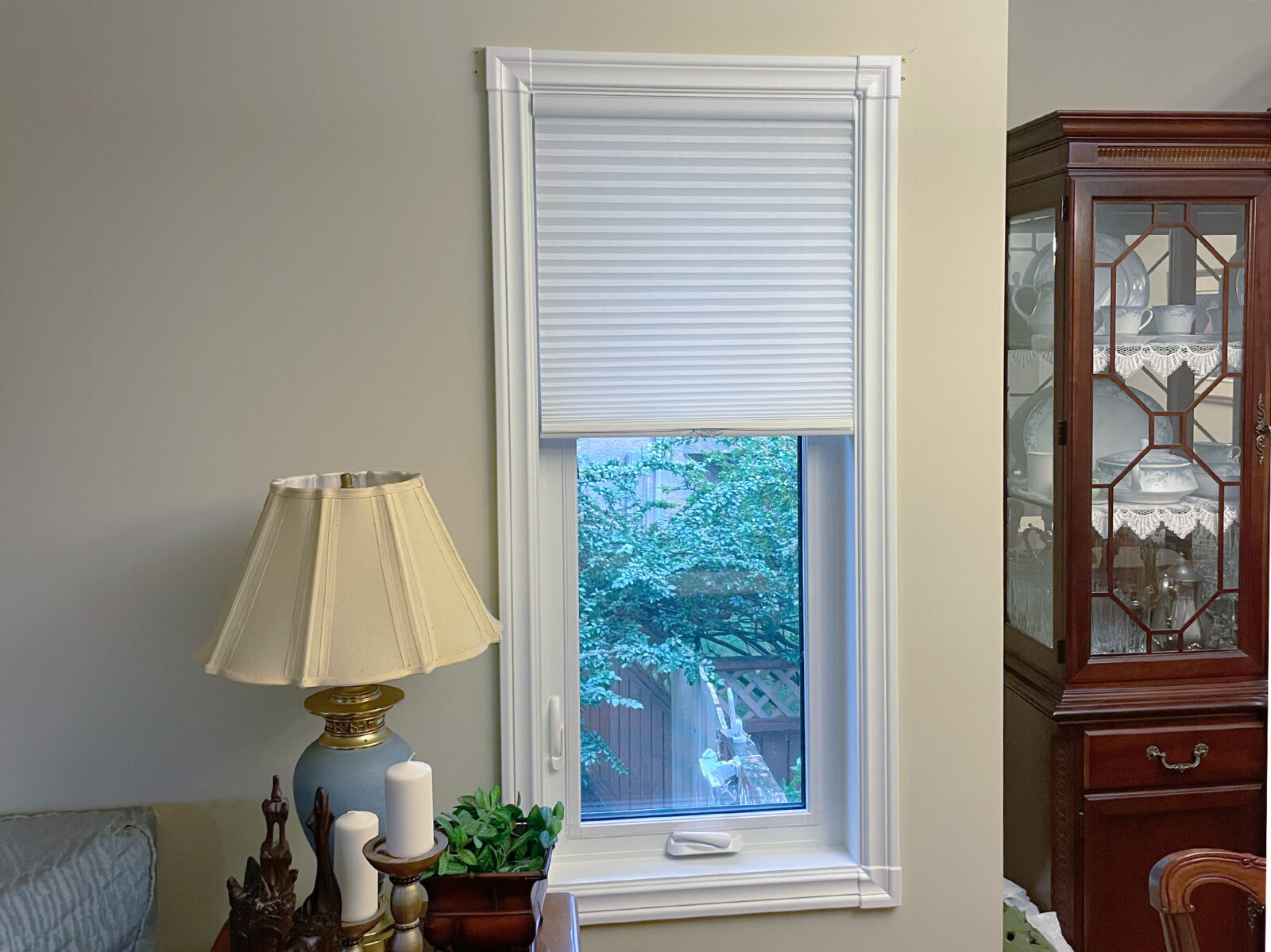
Roller blinds are easy to care for because they have a single fabric panel. Lower the blind all the way, then dust it with a microfibre cloth or vacuum on low suction.
For small marks, use a damp cloth with mild soap. Blot gently instead of rubbing hard. Once the spot is clean, wipe away soap residue with a clean, damp cloth.
Do not roll the blind back up while it is damp. Leave it lowered until the fabric is completely dry. This helps prevent trapped moisture, odours, and fabric creasing.
Do’s: regular dry dusting and light spot cleaning.
Don’ts: soaking, scrubbing, bleaching, and rolling up damp fabric.

How to Clean Zebra Blinds
Zebra blinds need gentle cleaning because they have both sheer and solid fabric bands. Vacuum them softly with a brush attachment, moving side to side along the bands to avoid pulling.
For stains, use a lightly dampened cloth and mild soap. Do not rub aggressively, especially on the sheer sections. After cleaning, wipe away soap residue and leave the blind open until dry.
Do’s: gentle vacuuming and careful spot cleaning.
Don’ts: hard scrubbing, soaking, and harsh stain removers.
How to Clean Cellular Shades
Cellular shades need extra care because dust can get trapped inside the honeycomb pockets. Use a vacuum with a soft brush on low suction, or use a hair dryer on cool to blow dust out of the cells.
Avoid saturating cellular shades with water. Their structure helps with insulation, but trapped moisture inside the cells can be difficult to dry.
Cellular shades are also worth considering for energy efficiency. According to recent research, tightly installed cellular shades can reduce heat loss through windows by 40% or more during heating seasons and reduce unwanted solar heat through windows by up to 60% during cooling seasons.
Do’s: low-suction vacuuming and cool air dust removal.
Don’ts: soaking the cells or using heat.
How to Clean Vinyl Blinds
Vinyl blinds are practical and easy to clean, but they can scratch or streak if you clean them too roughly.
Close the slats and wipe them with a microfiber cloth. Then tilt the slats the other way and clean the opposite side. For stains or light grease, use a mild soap-and-water solution.
Dry each slate after wet cleaning to prevent streaks.
Do’s: microfiber dusting, mild soap, and careful drying.
Don’ts: abrasive pads, strong chemicals, and rough scrubbing.
How to Clean Aluminum Blinds
Aluminum blinds are light, but their thin slats can bend if you press too hard. Use a vacuum on low suction or a microfiber cloth to dust them regularly.
If the blinds are greasy, wipe each slat with a damp cloth and mild soap. Support the slat with your hand while cleaning to avoid bending it.
Do’s: light dusting and gentle wiping.
Don’ts: strong pressure, rough brushes, and pulling on the slats.
How to Clean Wood Blinds
Wood blinds should be kept as dry as possible. Dust them with a microfiber cloth or soft brush. For stains, use a barely damp cloth and dry the spot right away.
Do not soak wood blinds. Too much moisture can cause warping, swelling, finish damage, or discolouration.
Do’s: dry dusting and minimal moisture.
Don’ts: wet washing, steam, vinegar, and soaking.

How to Clean Motorized Blinds
Motorized blinds need extra care. Keep water away from the motor, battery, wiring, remote, and charging ports.
Use dry dusting or low-suction vacuuming for routine care. If the fabric has a stain, spot-clean only the fabric area and avoid the headrail or motor housing.
Never spray cleaner directly onto motorized blinds.
Do’s: dry cleaning and careful spot cleaning.
Don’ts: spraying, soaking, and cleaning near electrical parts.

6 Common Window Blinds Cleaning Mistakes to Avoid
Expert Tip: If Dust Comes Back Quickly, Check the Room First
If your blinds look dusty again one day after cleaning, the problem may not be the blinds.
Check:
- HVAC filters
- Nearby air vents
- Pet sleeping areas
- Open windows near traffic
- High-pollen seasons
- Bathroom humidity
- Cooking residue in kitchens
Blinds often reveal what is already happening in the room. If air circulation, humidity, or dust levels are high, the blinds will accumulate buildup more quickly.
When Cleaning Is Not Enough: Signs You Should Replace Your Blinds
Cleaning can make blinds look better, but it cannot fix every issue. Sometimes, replacing them is the better choice. Consider replacing your blinds if:
- The fabric has permanent yellowing or water stains
- The slats are bent, cracked, or warped
- The blind no longer raises or lowers smoothly
- The material has absorbed odours from cooking, smoke, or moisture
- The cords are damaged or outdated
- The blinds no longer fit properly after window replacement
- The style looks dated compared to the rest of the room
- You want safer cordless or motorized operation
If you are replacing your windows, it is a good idea to plan for custom blinds at the same time. They can be measured to fit the new windows, match your room, and meet your privacy, light, insulation, and daily-use needs.
This is especially helpful if you want your windows to look finished right after installation, instead of using temporary store-bought blinds.
Final Advice: Clean Gently & Clean Regularly
The best way to care for blinds is simple: dust them before buildup starts, clean stains early, and do not use too much water. Most blinds can be cleaned while still hanging, but the method depends on their material and design.
Roller and zebra blinds need gentle care. Cellular shades need dust taken out from inside the cells. Wood blinds should stay mostly dry. Motorized blinds need extra care around electrical parts.
If your blinds are stained, old, hard to use, or do not fit your windows well, cleaning might only help for a short time. In that case, custom blinds can make your room look cleaner, work better, and provide a safer, more modern solution.
Want blinds that fit your windows, match your style, and suit your daily needs? Contact Ecoline to see custom roller, zebra, cellular, and other window covering options for your home.
What is the easiest way to clean blinds without taking them down?
The easiest method is to close the blinds, dust them with a microfiber cloth, then vacuum with a soft brush attachment on low suction. For small stains, use a lightly dampened cloth with mild soap. Always dry the blinds before raising or rolling them back up.
How often should blinds be cleaned?
Most blinds should be dusted every 1-2 weeks and spot-cleaned when needed. Kitchen blinds, bathroom blinds, pet-area blinds, and blinds near busy streets may need weekly attention because they collect grease, moisture, pet hair, and outdoor particles faster.
Can I clean blinds with vinegar?
Vinegar can help with greasy residue on some vinyl or aluminum blinds, but it should be used carefully and diluted. Avoid vinegar on wood, bamboo, delicate fabric, specialty coatings, and motorized components. Test a hidden area first before cleaning the full blind.
How do I clean fabric blinds?
Use a vacuum with a soft brush attachment on low suction. For stains, blot gently with a damp cloth and mild soap. Do not soak fabric blinds, scrub aggressively, or use heat. Let the fabric dry fully before raising or rolling the blind.
Should I remove the blinds to clean them?
For routine dusting and light stains, no. Most blinds can be cleaned while installed. You may only need to remove them for deep cleaning, heavy buildup, repairs, or when the manufacturer specifically recommends it.
Which blinds are easiest to maintain?
Roller blinds, vinyl blinds, aluminum blinds, and many faux wood blinds are generally easier to maintain because their surfaces are smoother and less delicate. Cellular and zebra blinds are still easy to clean, but they require gentler handling.






1750 Coast Meridian Rd #102,
Port Coquitlam, BC V3C 6R8
100, 17866 106A Avenue,
Edmonton, AB, Canada,
T5S 1V3
3307 Dunmore Rd SE #12,
Medicine Hat, AB,
Canada, T1B 3R2
2081 Merivale Rd #201, Ottawa, ON, Canada, K2G 1G9
by appointment only
108, 55 Akerley Blvd, Dartmouth,
NS, Canada, ВЗВ 1M3