


-RATED BY



Built in Canada
All Ecoline windows and doors are built in Ontario, Canada
- Top-of-the-line machinery (Forel, Gracco, Bottero) to produce the best products
- Over 60,000 sq. ft manufacturing plant
- Energy Star-rated and NAFS-11-tested
- Manufactured for local weather conditions
What is LEED Certification in Canada? A Quick Guide to Sustainable Homes
Nov 11, 2025
10 min read
1809
Buildings have a massive impact on the environment – they generate nearly 30% of all greenhouse gas emissions and produce around 35% of landfill waste across Canada. With urban areas continuing to grow, the way we design, construct, and operate buildings directly affects our air quality, energy use, and overall health.
That’s why sustainable construction is more than just a trend; it is a national priority. Green buildings don’t just reduce energy bills; they conserve water, improve indoor comfort, energy efficiency, and create healthier communities for generations to come.
But who ensures that residential and commercial buildings truly meet these sustainability standards? LEED – the world’s most recognised green building certification.

What is LEED?
Recognised in over 160 countries, LEED (Leadership In Energy and Environmental Design) Canada works closely with the Canadian Green Building Council to help new construction and renovation homes, as well as commercial buildings, put efficient products and materials in place.
The program evaluates buildings based on performance in key categories, such as energy efficiency, water conservation, materials, indoor air quality, and innovation in design. Each project earns points for sustainable choices and receives a certification level: Certified, Silver, Gold, or Platinum.
LEED applies to both new construction and renovation projects, including homes, multi-unit residential buildings, offices, schools, and healthcare facilities. Beyond certification, LEED also offers educational resources, professional training, and third-party verification, ensuring that homes and commercial spaces truly meet the highest efficiency and environmental standards.
For homeowners and builders, LEED isn’t just a label. It’s a framework that helps create healthier, more comfortable, and more cost-efficient spaces, adding long-term value to properties while supporting Canada’s climate goals.
What Are The Benefits of LEED Buildings and Homes?
Earning LEED accreditation in Canada is more than an environmental achievement. It’s your investment in comfort, health, and long-term property value. Buildings that meet LEED standards are designed to perform better, last longer, and cost less to operate.
1. Lower Energy and Water Bills
LEED-certified buildings use advanced insulation, energy-efficient windows, HVAC systems, and plumbing fixtures that cut utility costs by up to 30% compared to conventional homes. In Canada’s cold climate, these savings quickly add up over the years.
2. Improved Comfort and Indoor Air Quality
Better ventilation systems and non-toxic materials create cleaner, healthier indoor environments. Homeowners experience fewer drafts, more stable temperatures, and better humidity control year-round.
3. Higher Property Value
According to recent statistics, the average price of a home in Canada costs around CA$646,134. But studies show that green-certified buildings sell faster and at higher prices due to lower operating costs and long-term durability. LEED certification also signals quality craftsmanship and environmental responsibility to buyers.
4. Reduced Environmental Footprint
By using recycled materials, conserving water, and minimizing construction waste, LEED-certified projects significantly reduce greenhouse gas emissions and the strain on local landfills, helping Canada reach its net-zero goals.
5. Access to Incentives and Rebates
Many provinces and municipalities offer financial incentives, tax credits, or rebates for projects that meet LEED or other energy-efficiency standards. This helps offset the initial investment while supporting national sustainability programs.
How the LEED Certification Process Works
Getting a building certified under LEED is systematic and transparent. Whether you’re working on a home or a commercial project in Canada, the process generally follows these key steps:
1. Choose the Right Rating System
The first step is to determine which LEED rating system applies to your project. LEED green associate covers a variety of building types and stages: new construction/major renovation, interior fit-outs, existing building operations, homes (single-family, multi-unit), neighbourhoods, etc.
2. Register the Project
Once you know the correct rating system, your project needs to be registered with LEED (via LEED Online) and the CAGBC. The registration shows commitment, sets the official timeline and framework for the certification process.
This step also often involves a registration fee. LEED certification in Canada costs vary based on the size, project type, scope, and region.
3. Plan & Document the Green Building Strategies
- During design (and then construction), you’ll select which LEED credits you aim for (energy efficiency, water savings, site planning, materials, indoor environment) and ensure you meet all the required prerequisites.
- For homes, the documentation includes working with a Green Rater (for on-site verification) before registration.
- In Canada, you’ll also explore any Alternative Compliance Paths (ACPs) or local interpretations to account for climate, site/regional conditions, etc.
4. Construction / Implementation & Verification
- As construction progresses (or renovation is carried out), the team must implement the sustainable strategies and gather evidence (reports, measurements, photos, third-party testing) to verify compliance with the selected credits.
- For homes, on-site verification by the Green Rater is required to confirm certain performance aspects.
5. Submit for Review & Certification Decision
After completion, the project submits all documentation to the CAGBC (and/or the LEED review body) for assessment.
Based on points earned in the credit categories, the project is awarded one of four certification levels:
- Certified (40–49 points)
- Silver (50–59 points)
- Gold (60–79 points)
- Platinum (80+ points)
6. Maintain, Operate & (If Applicable) Recertify
Once certified, many projects benefit from ongoing monitoring, adjusting operations to keep performance high. Some LEED rating systems allow or require recertification for existing buildings or operations.
7. Promote & Leverage Your Certification
- A certified building gives you the right to market that sustainability achievement by using the LEED logo and branding, which can be a powerful selling point for homeowners, tenants, or investors.
- In Canada, the CAGBC supports marketing efforts for LEED-certified projects.
How To Make Your Home More Energy Efficient
There are many ways you can make your home more efficient according to LEED, and not all of them require extensive or expensive renovations. Start out by changing your light bulbs to LEDs, using a low-flow showerhead, or setting your thermostat a couple of degrees lower.
LEED points out several suggestions for improving the efficiency of your home:
Whole house renovation
- Insulate better. A home renovation is often a good chance to address the problem with insulation in your home. LEED recommends rock wool or cellulose insulation. Both contain recycled content, are made in Canada, and have the potential to reduce your monthly heating costs.
- Replace your furnace. You should consider getting a new furnace if yours is older than 15 years. For even heating, look for a condensing gas furnace with an efficiency of 95% or higher.
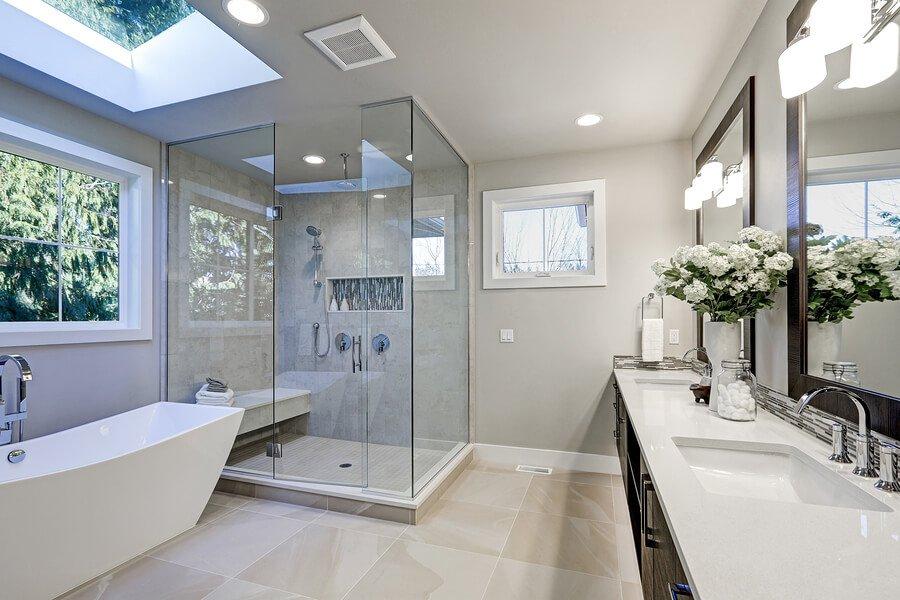
Top bathroom renovations
- Get a low-flow toilet. These toilets can reduce your water use up to 25% and can often be done by yourself, without the help of a professional.
- Install an efficient showerhead. Installing a low-flow (1.75 gallons-per-minute or less) showerhead can help save up to 30% on water and energy bills.
- Upgrade the bathroom ventilation. Most people turn off fans quickly because they are noisy. Installing a quiet, efficient fan can be less of a nuisance while helping circulate the air in your home. Remember, ducting is an important part of proper ventilation. Make sure ducts from your bathrooms go directly to the outside.
- Use the right materials for re-tiling. If you are doing tile around your bathtub, using a nonpaper-faced drywall is a great way to reduce moisture. Doing so greatly reduces the chance of mold and will have better performance than green board or standard drywall.
Top kitchen renovations
- Start with the right appliances. Your old appliances can often be recycled or donated. When buying new appliances, consider getting ones that are ENERGY STAR rated. Stoves, fridges, and dishwashers all come in a range of energy ratings.
- Get the right cabinetry. If you are having cabinetry made select material that is urea-formaldehyde free. For counter tops look for laminates that are GREENGUARD Certified. You can also consider butcher block wood countertops, paper, or stone counter tops.
- Don’t overlook the floors. LEED suggests using Marmoleum as a modern low-maintenance alternative to vinyl floors in kitchens.
LEED and Replacement Windows
LEED also doesn’t overlook windows in their recommendations. Windows play a crucial role in preventing heat loss from your home. But modern windows can also harness the power of the sun to warm certain rooms in your home.
For best efficiency, LEED suggests getting modern energy-efficient windows. In Canada, this means replacement windows that have a minimum energy rating of 34 and are certified by Energy Star, strictly following all their requirements for high efficiency home windows.
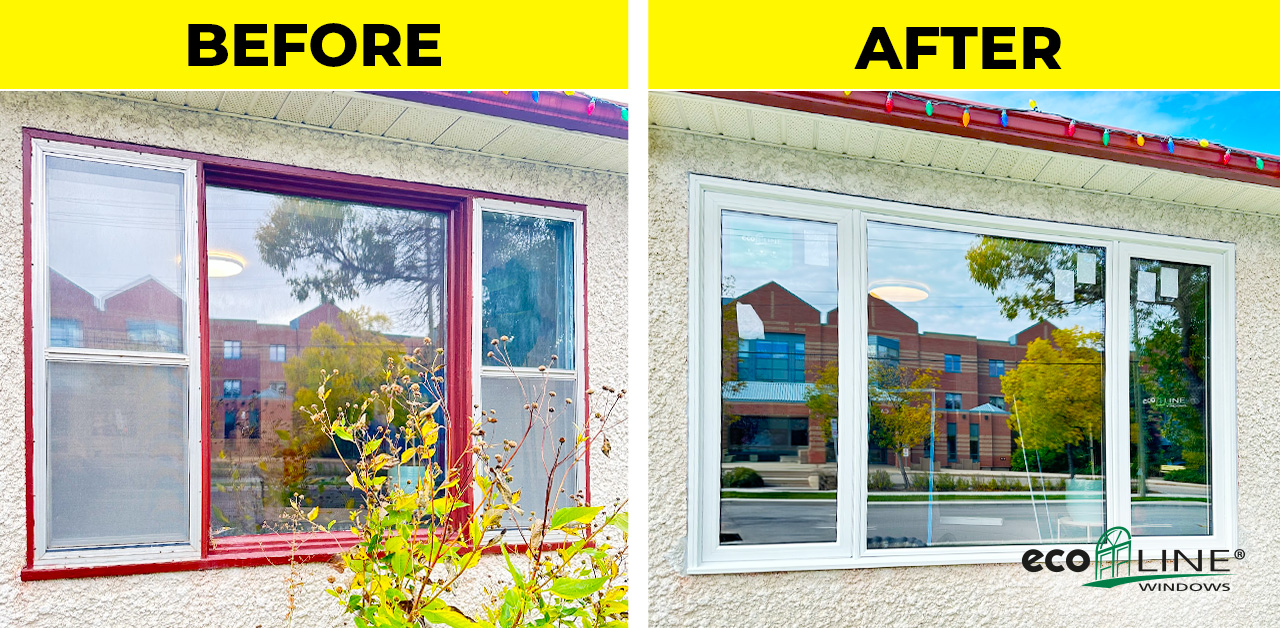
When choosing windows for a LEED-ready home, consider:
- Triple-pane glass – delivers the highest insulation performance, minimising heat loss and outside noise.
- Low-E coatings and gas fills – microscopic metallic layers and argon or krypton gas improve energy efficiency and block UV radiation.
- Frame materials – durable vinyl frames provide excellent thermal breaks compared to aluminium.
- Design and operation – casement and tilt-and-turn windows are the most efficient operable styles due to their tight compression seals, while picture windows are the most efficient fixed option.
- Proper orientation – south-facing windows maximise solar gain in winter; north-facing ones should be smaller or shaded to reduce heat loss.
- Professional installation – even the most advanced window won’t perform well without airtight installation and proper insulation around the frame.
- Integrated shading or blinds – combining high-performance glazing with blinds or overhangs helps control solar heat gain throughout the year.
By selecting windows designed and installed with these principles in mind, homeowners not only meet LEED criteria but also enjoy superior comfort and lower utility bills for decades to come.

1750 Coast Meridian Rd #102,
Port Coquitlam, BC V3C 6R8
100, 17866 106A Avenue,
Edmonton, AB, Canada,
T5S 1V3
3307 Dunmore Rd SE #12,
Medicine Hat, AB,
Canada, T1B 3R2
2081 Merivale Rd #201, Ottawa, ON, Canada, K2G 1G9
by appointment only
108, 55 Akerley Blvd, Dartmouth,
NS, Canada, ВЗВ 1M3