



-RATED BY




Built in Canada
All Ecoline windows and doors are built in Ontario, Canada
- Top-of-the-line machinery (Forel, Gracco, Bottero) to produce the best products
- Over 60,000 sq. ft manufacturing plant
- Energy Star-rated and NAFS-11-tested
- Manufactured for local weather conditions
How To Stop Losing Heat Through Windows? A Comprehensive Guide
Nov 11, 2025
7 min read
2279
Heat loss, or preventing heat loss, is one of the main reasons homeowners look to get replacement windows. In fact, your windows can account for up to 35% of total house heat loss, leading to inadequate energy bills, comfort and HVAC overload. But can heat loss be reduced, or even eliminated without having to splurge on a new window?
As with most situations in the window replacement industry, it depends greatly on the kind of windows you have, the condition of the structure around them, and the budget that you are willing to invest into making improvements.
Windows lose heat in of two, or both ways: through the actual window components, or through the areas where the window is joined to the wall.
Before we dive in further, remember, it is impossible to completely eliminate heat loss from windows. Regardless of the quality of the components and window installation there will still be some heat transferred from the inside of your house to the outside during colder months.

Heat Loss Through Windows Components
This is the more common, but less evident form of heat loss. When talking about the quality of window components, what really matters is how the material transfers heat, or its conductivity. Most manufacturers in Canada rely heavily on vinyl windows because they lose heat much slower than their aluminum counterparts.
Similarly, the addition of extra glass panes in modern windows came as a result of a need to decrease heat loss through the window. One of the best ways to improve conductivity between a hot area and a cold one is by creating an air chamber between low-conductivity materials. Triple-pane windows do exactly that, providing up to 55% more energy-efficiency compared to standard models.
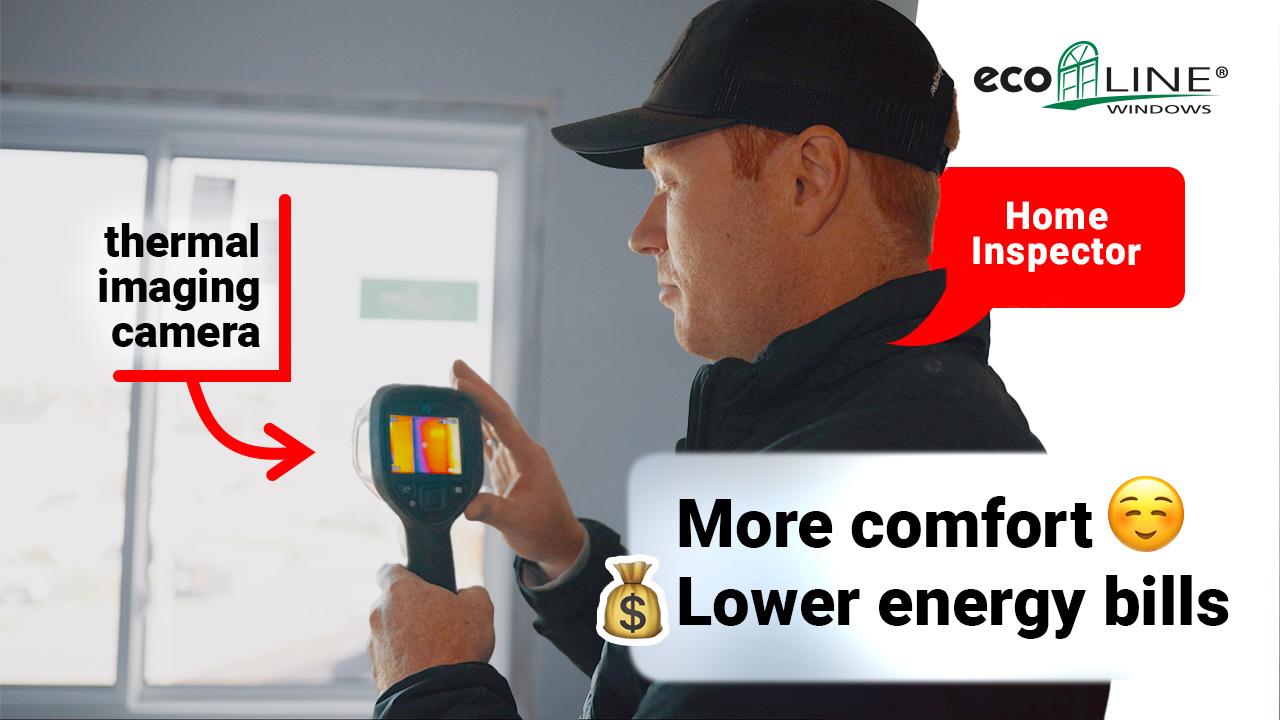
Heat loss from windows operable parts
Another way windows lose heat through components is when the parts of a window aren’t working together seamlessly to create an airtight unit. This is a problem that is specific to operable windows.
Over time, moving components can become misaligned and allow drafts in. Similarly weatherstripping can become worn and not to be a sufficient barrier to warm air escaping your home.
In case of poor weatherstripping or if your windows needs recaulking, homeowners can even DIY those issues by implementing several cheap windows fixes.
Window Heat Loss Through the Frame
Because windows have to be secured to your house in order to make them efficient, the areas where they join the wall can often become a place where the heat loss occurs. This is often manifested in the form of drafts or leaks.
A good thing about recognising this type of window heat loss is that it is often visible in the form of missing caulking or rotten wood, and you can actually feel the drafts around the frame of your window.
In this case, it is often possible to remedy the installation and improve the performance of your windows without actually replacing the unit.
How to Reduce Heat Loss Through Windows
A big part of reducing heat loss and pricing for that is understanding what exactly is causing the heat loss. Whether it’s malfunctioning or old components, bad installation, or simply misadjusted windows, the solutions are very different and, therefore, have different prices.
In essence improving your window’s conductivity comes down to two types of additions: ones that go right onto the window, and ones that go over your existing windows.
Reduce heat loss through windows by installing films
One of the more commonly advertised remedies for heat loss in windows is the use of films. Films can often be purchased at a local hardware store and applied by the homeowner. There are also companies that do this kind of work.
At its basis, the film creates a “reflective” surface on the inner pane of your window, deflecting some of the infrared radiation back into your home. The disadvantage of window films is often directly related to their price: they are a cheaper alternative that often doesn’t last very long.
Stop losing heat through windows by installing blinds
Another popular way to reduce heat loss, and most people don’t realise they may already be doing it, is by putting something over the window in order to slow down the rate at which the temperature transfers. We say people don’t realise that they’re doing it because one way to slow down heat loss is by putting drapes, blinds, or shutters over your window.
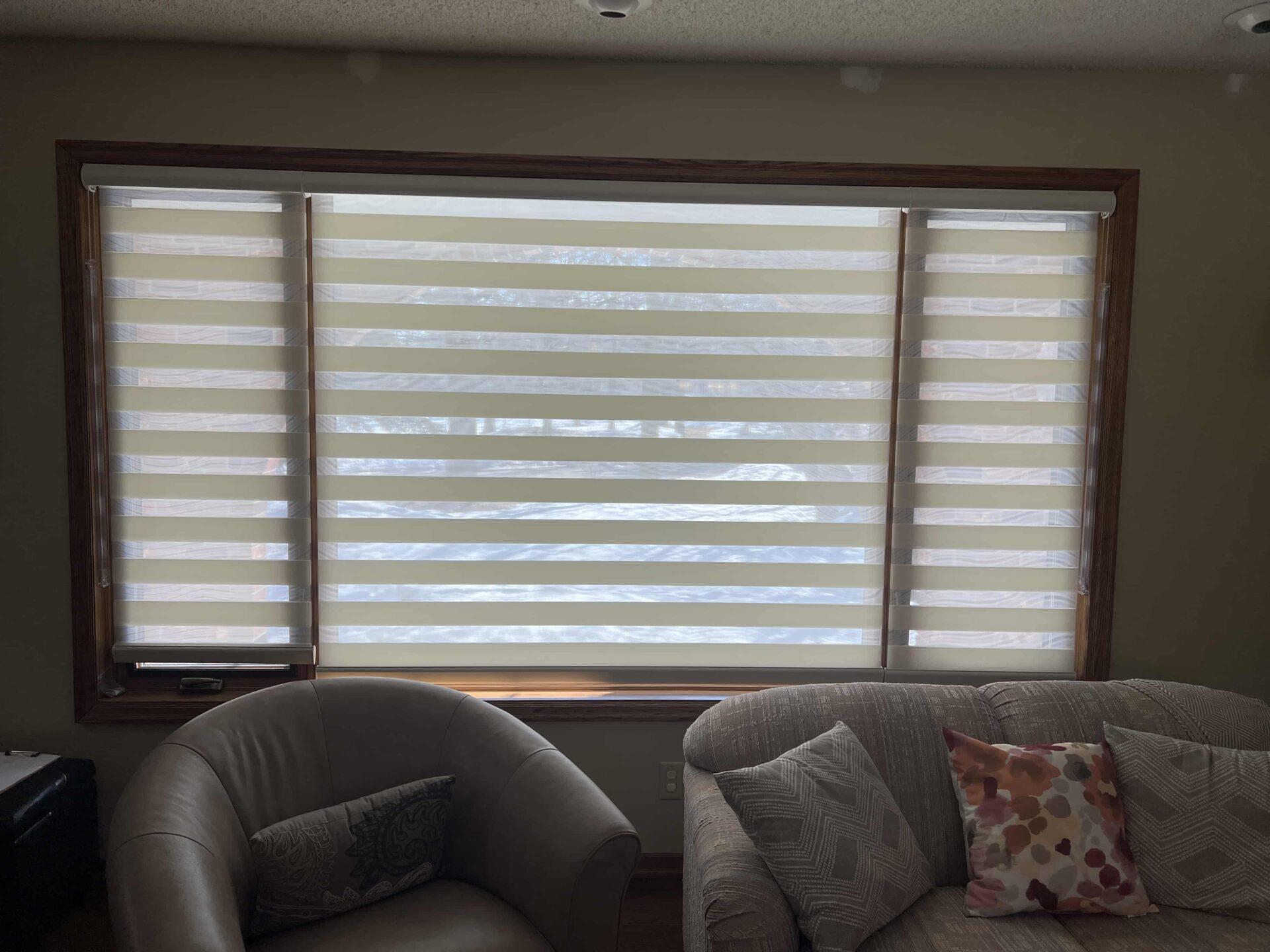
This goes back to the concept of multi-pane windows we discussed above. A fitted drape or curtain creates a barrier and a chamber of air between the window and the material, thus improving its performance.
But of course, this isn’t an ideal solution for extremely old or worn-out windows. That is why a lot of homeowners in Canada rely on plastic wrap or window covers to improve the performance of their existing windows. While plastic wrapping can improve the performance of the actual window components, it doesn’t properly address issues in the structure surrounding the window.
Install new energy-efficient windows
If your windows have cracked glass, failed seals, or constant drafts, no repair can restore their performance; hence, replacement is the only lasting solution. Installing new energy-efficient units ensures your home stays comfortable, quiet, and efficient year-round, minimising heat loss from windows.
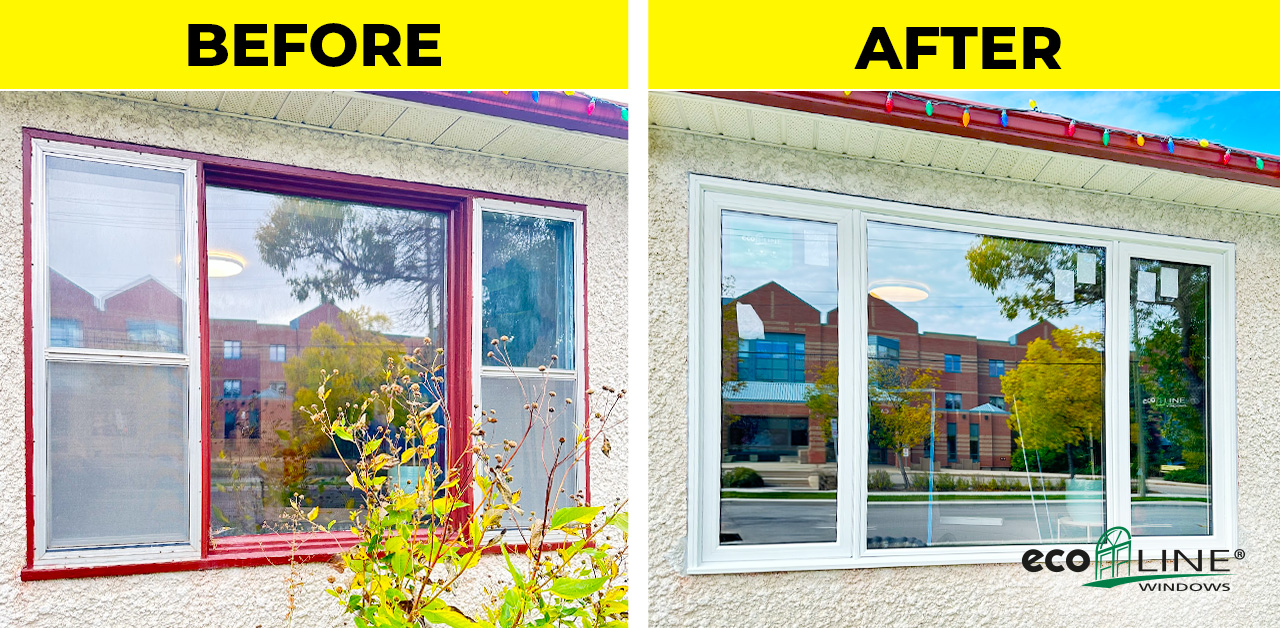
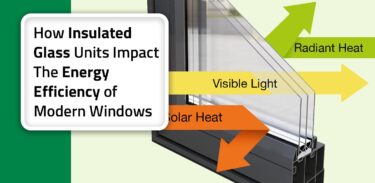
Modern triple-pane units with insulated frames and argon gas fillings can reduce heat loss by up to 50% compared to old window designs. This means lower heating bills, fewer cold spots, and improved comfort in every season. When shopping for high-efficiency windows, look for:
- ENERGY STAR® certification and a high Energy Rating (> ER 34)
- A trusted Canadian manufacturer known for climate-specific designs
- Triple-pane glass with Low-E coating and warm-edge spacers
- Professional installation to prevent air leaks and ensure proper sealing
Investing in new windows not only cuts energy costs but also adds long-term value and comfort to your home.
Wrapping Up
In short, the solution to decreasing heat loss in your depends greatly on the state of your existing windows, what is causing them to lose heat, and how much you are willing to spend to remedy the situation.
While having a full-frame replacement done is obviously the best and most thorough solution, it is also a more expensive one. You can often extend the life of your windows, and improve their performance with installation maintenance, or smaller fixes.
FAQ
How to reduce heat loss through windows?
Use weatherstripping, caulking, and thermal curtains to seal gaps. Add window film or upgrade to energy-efficient triple-pane windows with Low-E glass. Proper insulation and professional installation are key to minimising drafts and improving year-round comfort.
How much heat is lost through windows?
Windows account for up to 35% of total heat loss in residential homes. Old, single- or double-pane units lose significantly more energy, while modern triple-pane windows can cut that loss by up to 50%, improving comfort and lowering heating bills.


1750 Coast Meridian Rd #102,
Port Coquitlam, BC V3C 6R8
100, 17866 106A Avenue,
Edmonton, AB, Canada,
T5S 1V3
3307 Dunmore Rd SE #12,
Medicine Hat, AB,
Canada, T1B 3R2
2081 Merivale Rd #201, Ottawa, ON, Canada, K2G 1G9
by appointment only
108, 55 Akerley Blvd, Dartmouth,
NS, Canada, ВЗВ 1M3