


-RATED BY




Built in Canada
All Ecoline windows and doors are built in Ontario, Canada
- Top-of-the-line machinery (Forel, Gracco, Bottero) to produce the best products
- Over 60,000 sq. ft manufacturing plant
- Energy Star-rated and NAFS-11-tested
- Manufactured for local weather conditions
Exterior Door Installation Cost in Canada (2026): Real Price Guide for Homeowners
Mar 9, 2026
14 min read
38
How much does it cost to install an exterior door in Canada in 2026? Most homeowners spend between $1,300 and $7,700, depending on the door type, materials, colour scheme, custom features and the complexity of the installation.
Many people are surprised by that price range. Replacing a basic steel entry door might cost around $1,500 – $2,000. Choosing a fibreglass entry system with sidelights can cost three times as much. The project may look the same at first, but extra labour steps add up quickly.
For example, installing sidelights often means reframing the rough opening to fit the larger unit, adding or extending interior casing, and customising exterior trim or capping for the new configuration. These steps make manufacturing and installation more involved, which is why the total cost rises so much.
Exterior doors might seem like a simple part of a renovation: just one opening and one door. But contractors know there’s more to it. A front entry door is structural, helps with insulation, adds security, and is often the first thing people notice when they visit.
Industry surveys show that replacing an entry door can return 83 to 100 percent of its cost in home value, making it a practical upgrade. Still, many homeowners aren’t sure what a fair price really is.
In this guide our experts explain real price ranges, common door types, and the main factors that affect quotes. The goal is to help you spot a fair price when you get a quote. Now, let’s get to what most people want to know first: the actual numbers.

Entry Doors Installation Cost in Canada: Price Ranges Breakdown
Single doors are still the most popular choice for upgrades. Choosing a larger entry system with sidelights or double doors raises the price because of extra glass, more framing, and longer installation time. Here are the average cost ranges homeowners can expect to see in 2026 when replacing entry doors:
| Exterior Door Configuration | Average Cost |
| Single Steel Entry Door | $1300 – $1,500 |
| Single Fibreglass Entry Door | $1,470 – $2,000 |
| Double Steel Entry Doors | $2,120 – $2,410 |
| Double Fibreglass Entry Doors | $2,510 – $2,930 |
| Steel Door + 1 Sidelight | $1,970 – $2,200 |
| Steel Door + 2 Sidelights | $3,257 – $3,740 |
| Fibreglass Door + 1 Sidelight | $2,250 – $2,840 |
| Fibreglass Door + 2 Sidelights | $3,810 – $4,420 |
These ranges typically include the full installation process:
- removal of the existing door
- installation of the new frame and slab
- insulation and sealing
- exterior trim or capping
- disposal of the old door
One detail many homeowners miss is that sidelights can add 30 to 60 percent to the project cost. They look great and let in more daylight, but also make manufacturing and installation more complicated.
This is usually when homeowners realise why two quotes for a “new front door” can be thousands of dollars apart. The door’s configuration makes all the difference.
Front Entry Door Prices by Province in Canada
Door prices across Canada are generally similar, but installation quotes can vary by region. Labour rates differ, shipping costs depend on distance, and climate matters too. Colder areas often need better insulation, stronger weather sealing, and higher-performance glass inserts.
None of these factors will double the price alone, but together they can add several hundred dollars to your project budget. Below is a typical cost range homeowners encounter when replacing a standard exterior entry door:
| Province | Price range per single door |
| Ontario | $1,400 – $1,850 |
| Alberta | $1,300 – $1,700 |
| British Columbia | $1,450 – $1,950 |
| Manitoba | $1,250 – $1,600 |
| Saskatchewan | $1,250 – $1,600 |
| Nova Scotia | $1,200 – $1,550 |
| New Brunswick | $1,200 – $1,550 |
Several practical factors influence these regional differences:
- Labour costs. Urban installation crews usually charge more than smaller regional contractors.
- Shipping and supply chains. Doors manufactured in central Canada often cost more to deliver to western or coastal markets.
- Climate performance standards. Colder climates require stronger insulation and tighter air sealing.
- Building stock. Older housing often requires additional framing or structural corrections.
Installers who work in different regions notice another trend. Homes built in the 1970s and 1980s often need the most adjustments during door replacement. Over time, frames settle and openings shift, so the new door must be fitted carefully to prevent drafts.
What Actually Drives Exterior Door Installation Cost
Many homeowners think the door is the biggest expense, but that’s not always true. Installation, structural adjustments, and finishing details can make up 30 to 40 percent of the total cost.
Before calling a contractor, you can try a quick self-check of your door opening. Does the sill feel spongy or soft when you press it? Can you see daylight in the corners or around the edges of the frame? Is there any cracking or shifting in the trim? Taking a closer look at these details can help you spot potential issues, ask better questions during your estimate, and feel more informed when you compare quotes.
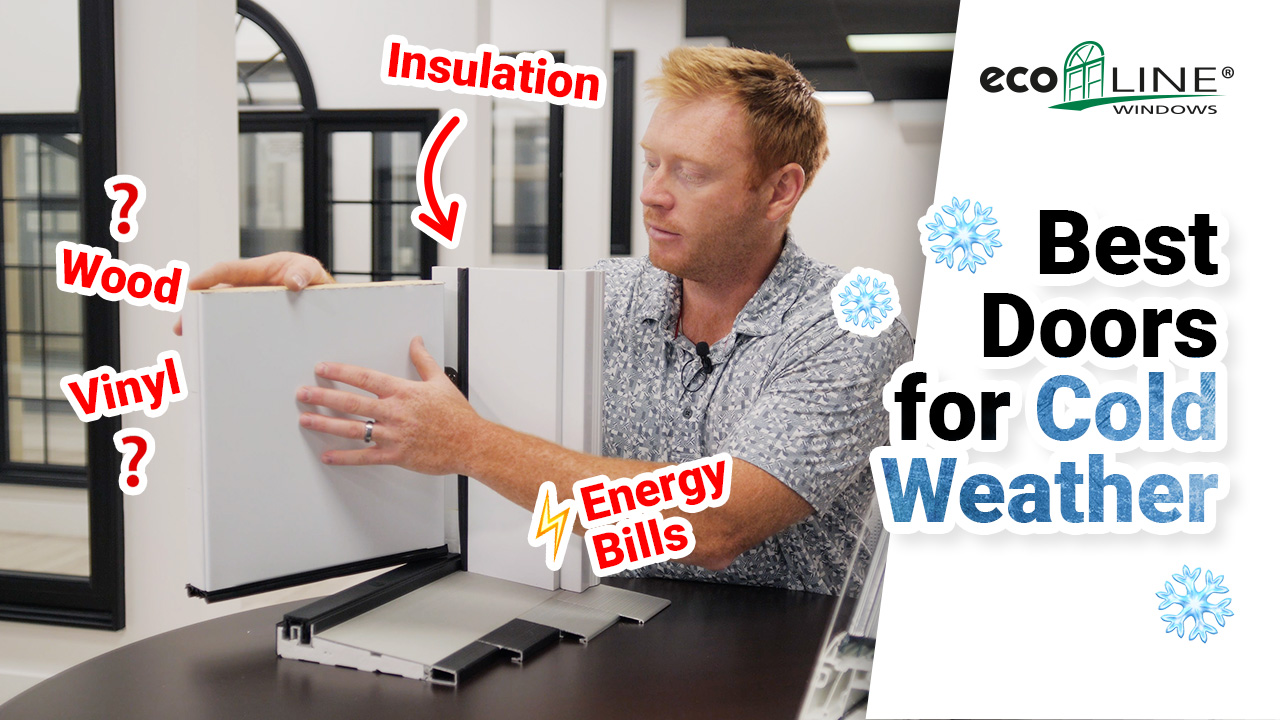
Two quotes for what seems like the same door can be very different. The difference usually comes from details installers notice when measuring the opening. Several key factors influence the final price more than most homeowners expect:
- Door material. Steel entry doors remain the most budget-friendly option. Fibreglass doors cost more but offer stronger insulation and better resistance to warping or moisture.
- Door configuration. Single doors cost less. Double doors, transoms, and sidelights increase complexity and installation time.
- Decorative or insulated glass. Glass inserts improve daylight and design appeal, but they raise production costs and require precise sealing.
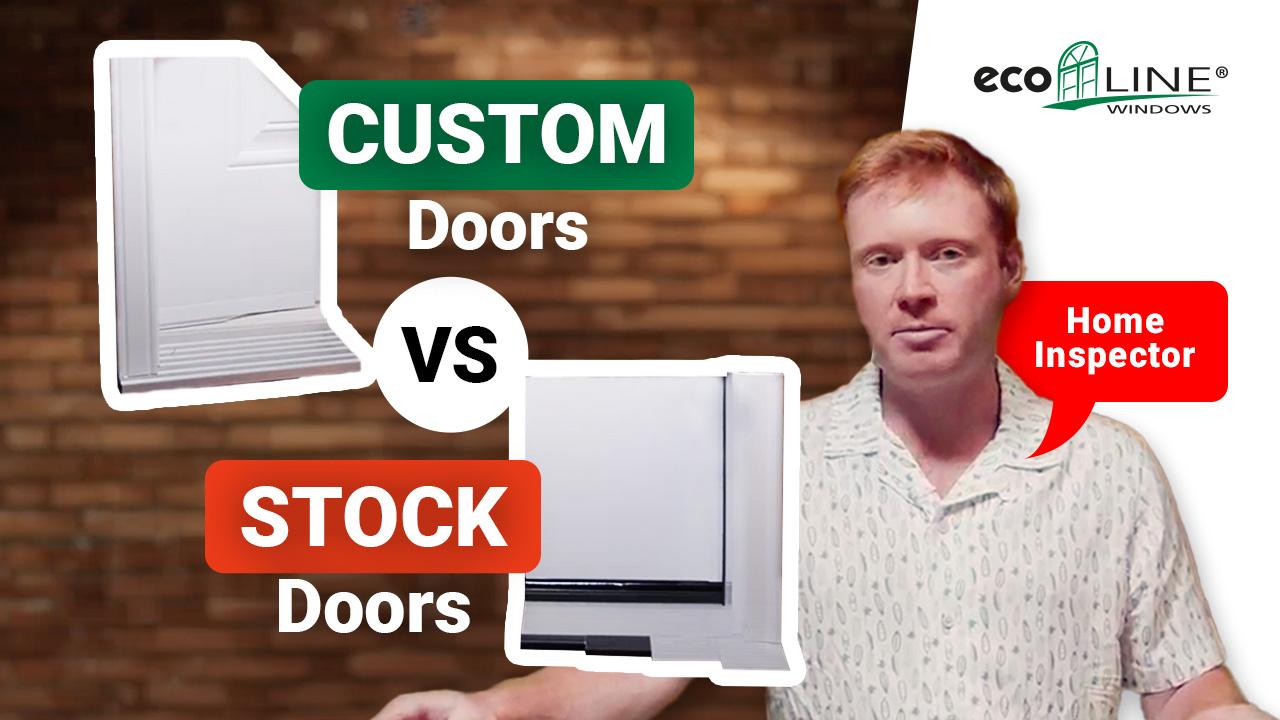
- Custom manufacturing. Stock doors from large retailers are cheaper. Custom-built doors fit the opening exactly and usually perform better long term.
- Opening condition. If the existing frame is damaged, rotted, or out of square, installers must repair or rebuild parts of the opening before installing the new door.
- Hardware upgrades. Multi-point locking systems, smart locks, and premium handlesets can add a few hundred dollars to the final price.
Experienced installers often see the same thing during estimates. A homeowner thinks they just need a simple door replacement, but once the old frame is out, the crew finds soft wood around the sill or gaps in the insulation. If these problems are ignored, drafts and water leaks can appear within a season.
That’s why reputable contractors rarely give a flat price over the phone. They need to inspect the opening before giving an accurate quote. Next comes another topic many homeowners wish someone had explained earlier: hidden costs.
5 Hidden Costs Most Homeowners Don’t Expect
Exterior door quotes can seem simple: a door, a price, and installation included. But a proper replacement often involves more work than most people expect. Experienced installers know that the true condition of the opening often becomes apparent only after the old door is removed. Some homes are perfectly square and dry. Others reveal a few surprises.
Several additional tasks can affect the final cost:
- Repairing the rough opening. Older homes occasionally have rot around the sill plate or damaged framing that must be reinforced before the new door goes in.
- Exterior capping and trim work. Aluminum cladding or new brickmould protects the frame and gives the entrance a finished look.
- Spray foam insulation. Proper air sealing prevents drafts and improves energy performance. Skipping this step often leads to cold air leaks in winter.
- Disposal of the old door system. Heavy frames, glass inserts, and hardware need to be removed and taken away safely.
- Interior finishing adjustments. Sometimes, trim, drywall edges, or flooring around the entry need minor corrections after installation.
Most of these steps are not dramatic. They are part of doing the job correctly.
At Ecoline, our installers often say: a well-installed door should feel solid, seal tightly, and operate smoothly for years. Cutting corners during installation may save a few hundred dollars today, but the problems usually return later as drafts, sticking doors, or moisture around the frame.
Knowing about these hidden details helps homeowners feel more confident when reading quotes. It also shows why professional installation usually gives better long-term value.
Exterior Door Materials Compared: Cost vs Performance
The material you choose affects both the price and how well your exterior door performs over time. While most entry doors look similar on paper, steel, fibreglass, and wood each react differently to Canadian weather. Here’s a quick comparison that many homeowners find helpful when deciding between materials.
Installers often notice a few practical things again and again:
- Steel doors offer solid security and reasonable insulation at a lower price point. They are common in many standard replacements.
- Fibreglass doors resist moisture, temperature swings, and warping better than wood. Many modern models include insulated cores and high-performance seals.
- Wood doors deliver classic aesthetics but require regular maintenance. Without proper care, they can swell, crack, or lose efficiency over time.
Energy performance matters more than many homeowners expect. According to industry efficiency studies, upgrading from an older entry door to a modern insulated fibreglass model can reduce air leakage around the entrance by up to 5-10%, depending on the home’s overall condition.
That might not sound like a big change, but homeowners often notice the difference right away in winter. The entryway feels warmer, drafts are gone, and the heating system works less.
Choosing the material shapes the door itself, but there’s another practical question homeowners often ask before starting the project.
How Exterior Door Colour Affects the Final Price
Front door colour might seem like a small detail, but it’s not. The finish you choose can affect both the cost and the lifespan of your door. Standard factory colours are usually included in the base price. Choosing darker colours, woodgrain finishes, or dual-colour options increases the cost.
This happens because darker paints need special coatings to resist heat and fading. Woodgrain finishes need extra texturing and staining, and dual-colour doors require two finishing steps.
Below is a general comparison of how colour choices affect the total price of a door system.
| Exterior Door Finish | Typical Price Impact |
| Standard White | Base price |
| Standard Neutral Colours (Black, Brown, Grey) | + $150 – $350 |
| Premium Painted Colours | + $300 – $600 |
| Woodgrain Fiberglass Finish | + $500 – $900 |
| Dual Colour (Exterior + Interior Different) | + $400 – $800 |
For many homeowners, this is when it all makes sense. The door might cost three thousand dollars, but a custom finish can add several hundred more.
We often recommend our clients to think about the colour scheme in advance. Dark finishes look great on modern homes and boost curb appeal, but they absorb more sunlight and may need better coatings to avoid fading. White doors are still the most popular choice because they’re affordable, neutral, and easy to match with future upgrades.
Still, picking the right colour can change the look of your entryway. Sometimes, the finish is what turns a basic replacement into a true upgrade.
When Replacing an Exterior Door Actually Makes Sense
Many homeowners start looking into door prices after noticing small issues around the entrance: a draft near the threshold, a door that sticks in humid weather, or a handle that needs a hard push to close. These problems may seem minor at first, but they get more annoying over time.
Exterior doors usually last 20 to 30 years, depending on the material and weather exposure. After that, wear around the frame and seals can affect comfort and energy efficiency.
Several signs often indicate that replacement is worth considering:
- Cold drafts near the door frame. Air leaks are one of the most common complaints in older entry systems.
- Visible light around the edges. If daylight appears between the door and the frame, the seal is no longer tight.
- Condensation inside glass inserts. Moisture between panes means the insulated glass unit has failed.
- Doors that stick or rub the frame. Frames can shift slightly as houses settle over the years.
- Rising heating costs. Poor sealing around the entrance allows warm air to escape during winter.
Exterior door installation costs can vary, but knowing what affects the price helps homeowners make better choices. Comparing quotes, checking what’s included, and picking a door that fits your climate usually leads to the best outcome.
If you’re planning an upgrade, start by having the opening measured accurately and requesting a detailed quote. This takes out the guesswork and makes the whole project easier to plan.
What is a prehung exterior door?
A prehung door is already attached to its frame with the hinges in place. Installers put the whole door system right into the wall opening. Prehung doors make installation easier, help with proper alignment, and usually seal better than just replacing the door slab.
What type of exterior door is the most affordable?
Steel entry doors are usually the cheapest option for exterior doors. They offer solid security and energy efficiency, and their installation costs less than fiberglass or wood doors. If you’re on a budget, a basic single steel door without glass inserts is often the best value.
Why are fibreglass exterior doors more expensive than steel doors?
Fibreglass exterior doors are more expensive than steel doors because they feature thicker insulated cores, stronger frames, and detailed surfaces that mimic real wood. They also handle moisture, warping, and temperature changes better than steel. Because of this, fibreglass doors cost more initially but tend to last longer and save energy over time.
How much does it cost to replace an exterior door in Canada?
In Canada, a new exterior door usually costs between $1,800 and $7,500. The exact price depends on the door’s material, size, and style. A basic single steel door is often the cheapest, while fiberglass doors with sidelights or double doors cost more.
Why do exterior door installation quotes vary so much?
Quotes for exterior doors vary because each entrance is unique. The cost depends on the door’s material, size, glass inserts, hardware, and the condition of your current doorway. Extra work like fixing the frame, adding insulation, or changing the opening size can also raise the price.
How much does a glass entry door cost?
A single exterior door with a full glass panel usually costs about $2,500 with installation. Prices can range from $2,200 to over $4,000, depending on the material, glass type, and hardware you choose. Features like decorative insulated glass, privacy glass, or energy-efficient Low-E glazing can also raise the cost.

1750 Coast Meridian Rd #102,
Port Coquitlam, BC V3C 6R8
100, 17866 106A Avenue,
Edmonton, AB, Canada,
T5S 1V3
3307 Dunmore Rd SE #12,
Medicine Hat, AB,
Canada, T1B 3R2
2081 Merivale Rd #201, Ottawa, ON, Canada, K2G 1G9
by appointment only
108, 55 Akerley Blvd, Dartmouth,
NS, Canada, ВЗВ 1M3