



-RATED BY




Built in Canada
All Ecoline windows and doors are built in Ontario, Canada
- Top-of-the-line machinery (Forel, Gracco, Bottero) to produce the best products
- Over 60,000 sq. ft manufacturing plant
- Energy Star-rated and NAFS-11-tested
- Manufactured for local weather conditions
What Are Window Weep Holes? A Complete Guide for Homeowners
Nov 20, 2025
10 min read
14088
Most homeowners focus on drafts, cracks, or old caulking, but often overlook one of the most important parts of a modern window: weep holes. These small openings at the bottom of your vinyl window frame help keep your home dry and protected. If they get blocked or are not designed well, even new windows can show water stains, pooling, or damp spots after heavy rain or melting snow.
Many window moisture problems are caused by drainage issues, not by product defects. If water cannot escape the frame as it should, it builds up, rises, and eventually finds the easiest way out, often into your home.
Knowing what weep holes are, how they work, and how to care for them is key to preventing leaks, mould, and long-term damage to your walls and insulation. This understanding can save you from costly repairs, such as thousands of dollars in mould remediation or damage repair bills. If you are thinking about new vinyl windows, choosing ones with good drainage systems can make a big difference, especially during Canada’s freeze and thaw cycles.
Let’s go over everything you need to know about window weep holes, starting with what they are and why they matter.

What Are Window Weep Holes?
If you have ever looked closely at the bottom of your vinyl window frame and noticed small openings on the outside, you have already seen window weep holes. These tiny drainage passages, sometimes called window drain holes or window frame drain holes, are built into modern windows to let water escape safely.
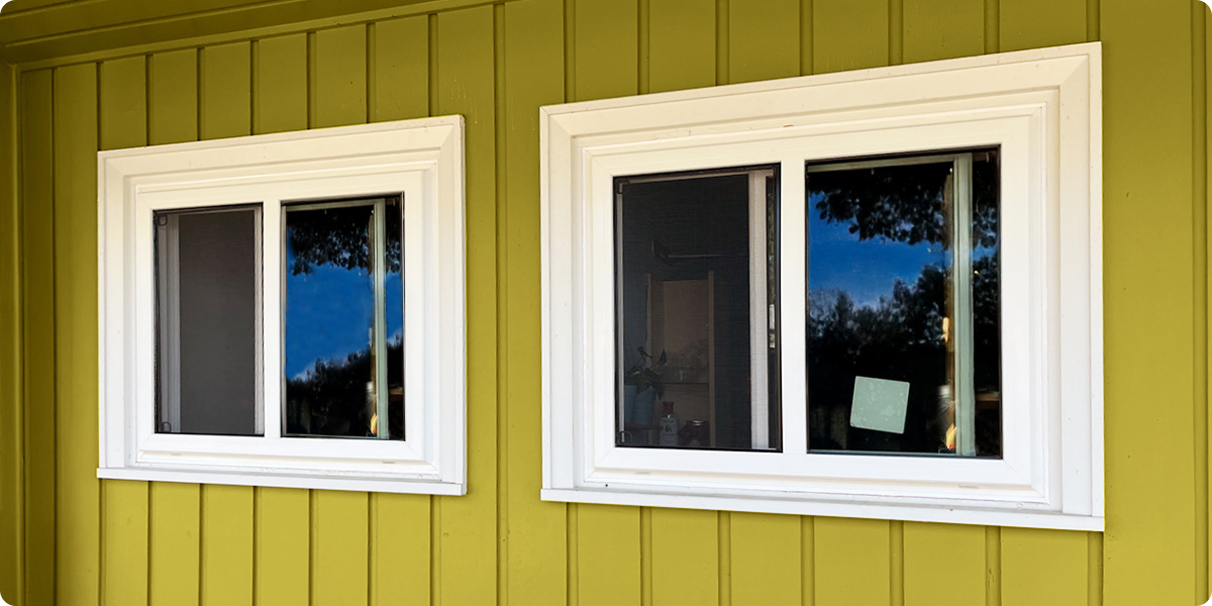
Even though they are small, weep holes in windows are important for keeping moisture out of your home. When rain hits the glass or snow melts on the frame, some water gets into the drainage chamber inside the window. The weep holes let this water flow back outside instead of building up inside.
Many homeowners think these openings are a defect, but they are actually a key part of the window’s drainage system. This is especially important in colder regions, where sudden snow, heavy rain, and changing temperatures put extra stress on your windows.
Do all windows have weep holes?
- Sliding windows – always include weep holes because water can enter the track more easily.
- Casement windows – may have hidden casement window weep holes, depending on the design.
- Picture windows – usually don’t need drainage holes because the frame is fully sealed and has no operable parts.
Regardless of style, high-quality vinyl windows are engineered so that any water entering the frame leaves quickly and consistently.
How Window Weep Holes Work
Even the best vinyl windows let a small amount of water into the frame during rain, melting snow, or strong winds. This is normal and is the reason window weep holes are there. Their job is simple: let water in, move it through the drainage chamber, and guide it safely back outside.
Here’s how the system works step by step:
- Water enters the sill or track. On styles like sliding windows, water can collect inside the lower track during storms. Casement windows may channel water toward the hinge or the bottom of the frame. This is where the internal drainage chamber begins.
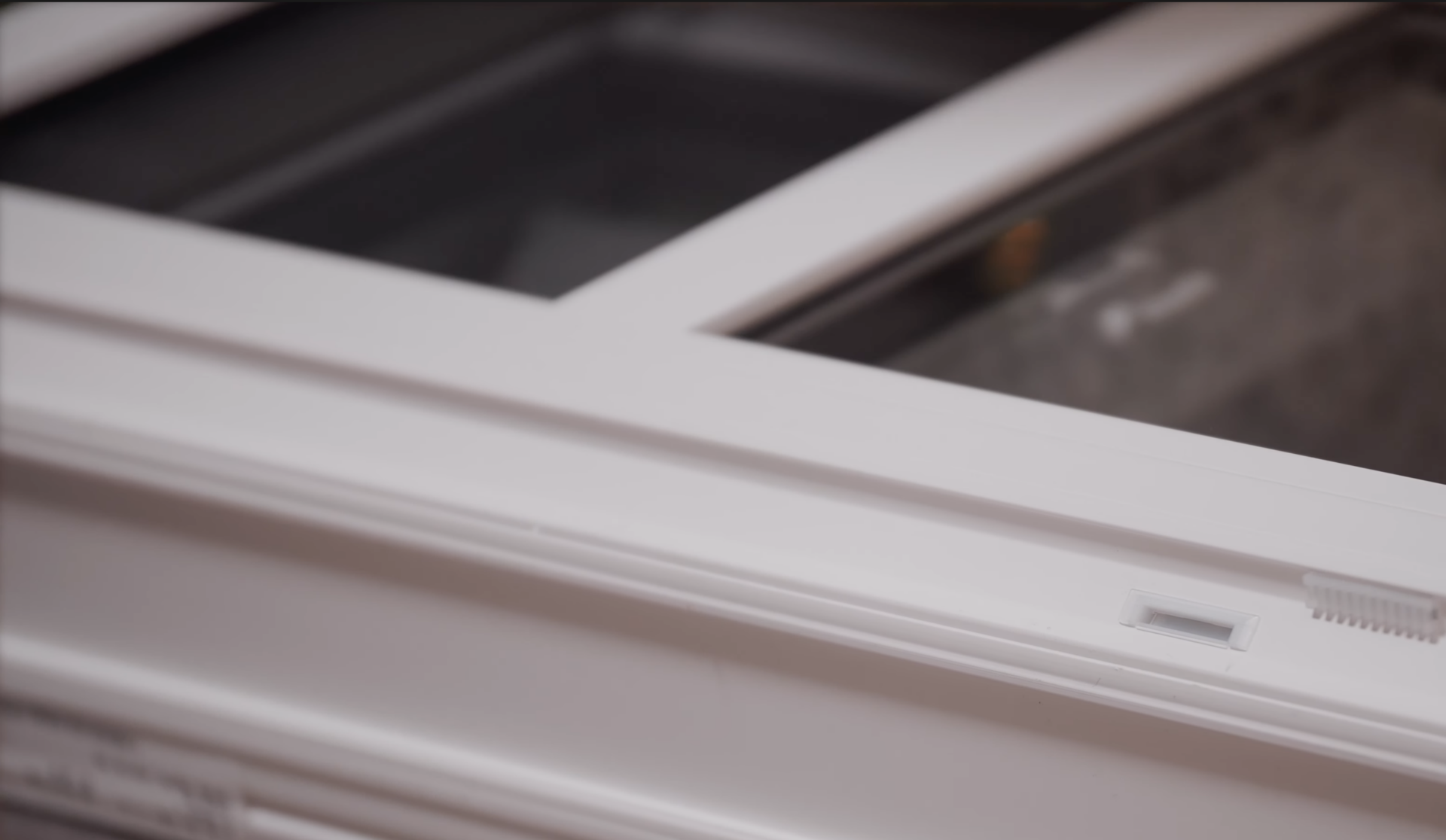
- The water moves into the drainage channel. Inside a vinyl window frame is a hollow space called a drainage cavity. It’s specifically designed to collect water and direct it toward the exterior. Properly built vinyl window weep holes connect this cavity to the outside of the home.
- The water exits through the weep holes. Once the cavity fills to a certain point, gravity takes over. The water finds the nearest weep holes in windows and drains out safely. This is why it’s normal to see water dripping from these openings during rain.
- Weep hole covers help regulate airflow and debris. Some systems include window weep hole covers – small plastic inserts that keep insects and debris out while still allowing water to drain. Not all windows have them, but they’re beneficial in windy or dusty regions.
Why Properly Designed Weep Holes Are Critical for Canadian Homes
Canada’s climate can be hard on windows. With sudden heavy rain and winter freeze-thaw cycles, your drainage system needs to work perfectly. That starts with well-designed window weep holes.
If window weep holes are too small, in the wrong place, or get clogged easily, the drainage chamber fills up faster than it can empty. Water then rises inside the frame, spills over, and can end up on your walls, window trim, or floors. This is a common reason homeowners have leaks even with new windows.
Here’s why proper weep hole design matters so much:
- Prevents leaks inside your home. Efficient window drain holes keep water flowing out, not in. Blocked or undersized weep holes dramatically increase the chance of moisture intrusion.
- Protects your insulation and drywall. Water trapped inside the frame can seep into the surrounding walls. Studies show moisture behind wall assemblies can lead to mould growth within 48 hours, making drainage performance a crucial long-term factor.
- Helps windows perform at their rated efficiency. Clogged vinyl window drain holes let extra moisture build up inside the frame. This can cause cold spots, condensation, and lower window performance, which is especially noticeable in winter.
Keep in mind that slider windows have the most drainage to handle because water sits right in the track. Many manufacturers use small weep holes that clog easily.
Ecoline makes sliding window weep holes wider and more efficient, so water escapes faster and there is less risk of overflow. This is especially helpful during heavy rain or sudden snowmelt.
5 Common Problems With Weep Holes in Windows
Window weep holes are made to work on their own, but they can have problems over time, especially in places like Canada where wind, snow, and debris are common. If the drainage system is blocked or not working right, even a good vinyl window can start to leak.
Here are the most frequent problems homeowners encounter:
1. Clogged weep holes
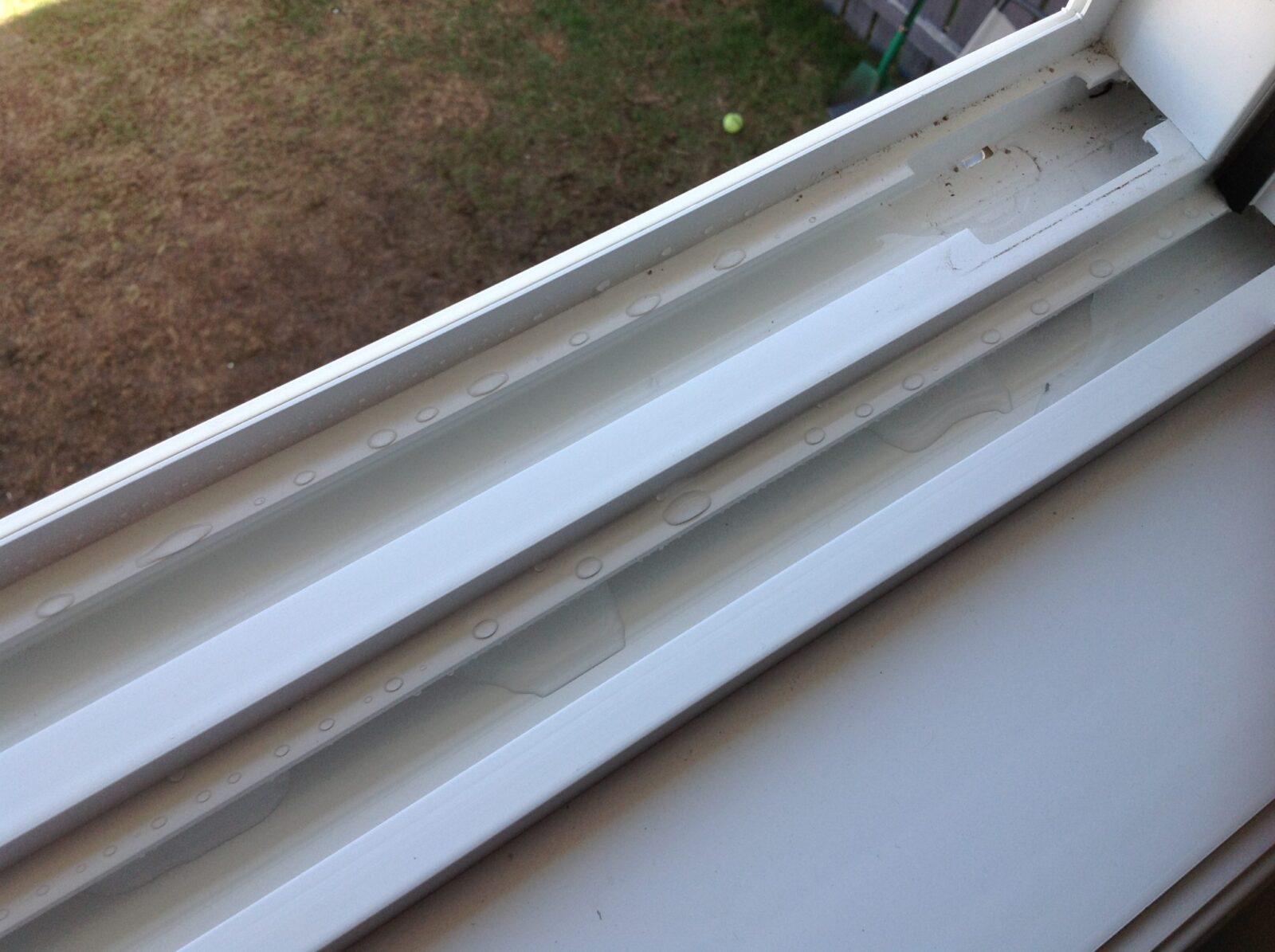
This is by far the most common issue. Dirt, dust, pollen, dead insects, or even small pieces of insulation can block clogged window weep holes. When this happens, water has nowhere to go and begins to pool inside the window frame.
Signs of clogging:
- Water sitting in the sill or slider track
- Slow drainage after rain
- Dripping only during heavy downpours
- Water spilling into the home from the bottom corners
2. Weep holes sealed by caulking or siding
During renovations or exterior work, it’s common for contractors to accidentally seal weep holes in windows with caulking, paint, stucco, or trim.
Signs to look for:
- Weep holes appear “missing”
- Paint or caulk covering the exterior bottom frame
- Water dripping from the top or sides, not the bottom
3. Missing or damaged weep hole covers
Some windows include window weep hole covers to reduce debris entering the system. If they’re missing or cracked, clogging becomes more likely.
Signs:
- Excessive insects inside the track
- Flies or spiders nesting near the frame
- Dirt buildup shortly after cleaning
4. Wrong placement or poor design
Not all manufacturers design drainage systems with the same efficiency. Misplaced or undersized vinyl window drain holes drain slowly or unevenly, especially in sliding windows.
Signs:
- Only one side drains while the other remains full
- Drainage works during light rain but fails in heavy weather
- Water enters the home even though the weep holes appear open
5. Drilling extra holes (never recommended)
Some DIY tutorials suggest drilling weep holes in windows, but doing this incorrectly can void warranties and damage the internal drainage chamber.
Signs of misuse:
- Rough or oversized holes
- Water dripping from unexpected locations
- Cold drafts in winter
How to Clean Window Weep Holes (Step-by-Step)
Keeping window weep holes clean is one of the easiest ways to prevent leaks and water damage. Dust, pollen, insects, and debris can build up in the drainage path, especially on sliding vinyl windows. Cleaning them once a season helps your vinyl window drain holes work as they should.
Step 1: Locate the weep holes
Look for small openings on the outside bottom of the frame. These are the weep holes in windows responsible for drainage.
Step 2: Clear surface debris
Use a soft brush, toothpick, or cotton swab to remove dirt. Avoid sharp metal tools that can damage the frame.
Step 3: Flush with water
Pour a small amount of warm water into the interior sill or track. The water should exit quickly through the window drain holes. Slow drainage indicates clogging.
Step 4: Use gentle air pressure
Compressed air (on low setting) can help clear deeper blockages without harming the window.
Step 5: Repeat 1-2 times per year
Regular maintenance helps prevent clogged window weep holes, especially after storms or construction dust.



1750 Coast Meridian Rd #102,
Port Coquitlam, BC V3C 6R8
100, 17866 106A Avenue,
Edmonton, AB, Canada,
T5S 1V3
3307 Dunmore Rd SE #12,
Medicine Hat, AB,
Canada, T1B 3R2
2081 Merivale Rd #201, Ottawa, ON, Canada, K2G 1G9
by appointment only
108, 55 Akerley Blvd, Dartmouth,
NS, Canada, ВЗВ 1M3