


-RATED BY




Built in Canada
All Ecoline windows and doors are built in Ontario, Canada
- Top-of-the-line machinery (Forel, Gracco, Bottero) to produce the best products
- Over 60,000 sq. ft manufacturing plant
- Energy Star-rated and NAFS-11-tested
- Manufactured for local weather conditions
When to Choose DIY Window Blinds Installation
May 11, 2026
11 min read
918
Blinds are a practical choice for Canadian homeowners. They let you control privacy, light, glare, and comfort without needing a big renovation. Often, you can even install them yourself.
Not all blinds are easy to install on your own. Standard roller blinds for a bedroom are much simpler than motorized blinds, blackout blinds, or large shades for patio doors. Choosing the wrong type can cause poor fit, uneven lines, light gaps, wall damage, or blinds that do not work well.
This guide will help you decide when it makes sense to install blinds yourself, which types are easiest, when to hire a professional, and how to pick the best mounting option for your windows.
At Ecoline, you can order custom blinds to install yourself or choose a package that includes professional installation. This is especially handy if you’re getting new windows and want everything to look finished right away.

Can You Install Blinds Yourself?
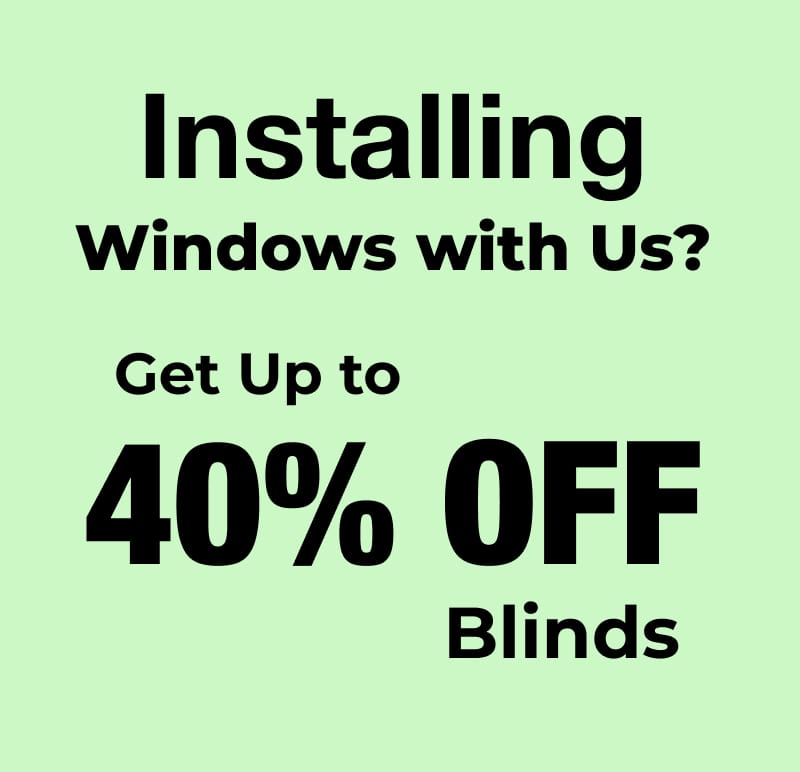
Yes, you can install many window blinds yourself, especially if your windows are standard, your measurements are accurate, and you have basic tools.
Roller blinds are usually the easiest to install yourself. Zebra blinds, cordless cellular shades, and some Venetian blinds are also good options. These types use simple brackets, are lightweight, and have easy mounting systems.
But DIY installation is not always the best option. If your blinds are large, motorized, custom-made, or meant for blackout, hiring a professional usually gives you a better and more reliable result.
When DIY Blind Installation Makes Sense
It makes sense to install blinds yourself if the project is simple, the windows are easy to reach, and the blinds are light. DIY installation may work well if:
- You have standard window sizes.
- You are installing roller blinds, zebra blinds, or simple cellular shades.
- You are comfortable using a measuring tape, a level, a screwdriver, or a drill.
- You want to reduce the cost of a small home update.
- You need a quick privacy solution for a bedroom, office, or rental apartment.
- The blinds are light enough to handle without help.
- You are installing only one or two window coverings.
DIY blinds are also a good choice for rental homes or temporary spaces. If you don’t want to spend on a full custom solution, simple blinds can boost privacy and light control without big changes.
DIY saves money only if you install the blinds correctly. Bad measurements, uneven brackets, or weak mounts can make blinds look messy or hard to use.
When Professional Blind Installation Is Better
It’s worth hiring a professional if the project affects how the room looks, works, or how safe it is. You may want to call professional blinds installers if:
- You have recently completed a major renovation.
- You do not want to drill into new trim, walls, tile, or window frames.
- Your windows are large, tall, angled, or hard to reach.
- You are installing blinds on patio doors or wide openings.
- You purchased motorized or smart blinds.
- You need precise blackout coverage.
- Your walls, trim, or window frames are uneven.
- You are ordering custom blinds together with new replacement windows.
In these situations, hiring a professional can save you time and help you avoid expensive mistakes. It also makes sure your blinds are level, work smoothly, and fit the window well.
This is extra important for custom window coverings. When blinds are made for specific replacement windows, even small mistakes in measuring or installing can affect how they look and work.
Which Types of Blinds Are Easiest to Install Yourself?
Most homeowners don’t look for tension or adhesive blinds first. They usually compare common types like roller blinds, zebra blinds, cellular shades, Venetian blinds, vertical blinds, blackout blinds, and motorized blinds. They also opt for a solution with a simple bracket system, lightweight material, and forgiving measurements.
| Type of blinds | DIY difficulty | Best for | What to know before you start |
| Roller blinds | Easy | Bedrooms, kitchens, offices, living rooms | One of the simplest options. Most roller blinds use two brackets and a clean rolling mechanism. Good for inside or outside mount. |
| Zebra blinds | Easy to moderate | Living rooms, bedrooms, modern interiors | Similar to roller blinds but slightly bulkier. Accurate levelling matters because uneven installation is more visible. |
| Cellular shades | Easy to moderate | Bedrooms, home offices, energy-conscious homes | Lightweight and practical, but inside mounts require careful measurement. Cordless models are safer for homes with kids or pets. |
| Venetian blinds | Moderate | Bathrooms, kitchens, offices | Manageable for DIY installation, but wider blinds may need extra support to avoid sagging. |
| Vertical blinds | Moderate to difficult | Patio doors, wide windows, large openings | The headrail must be installed perfectly level. Large sizes are harder to handle without help. |
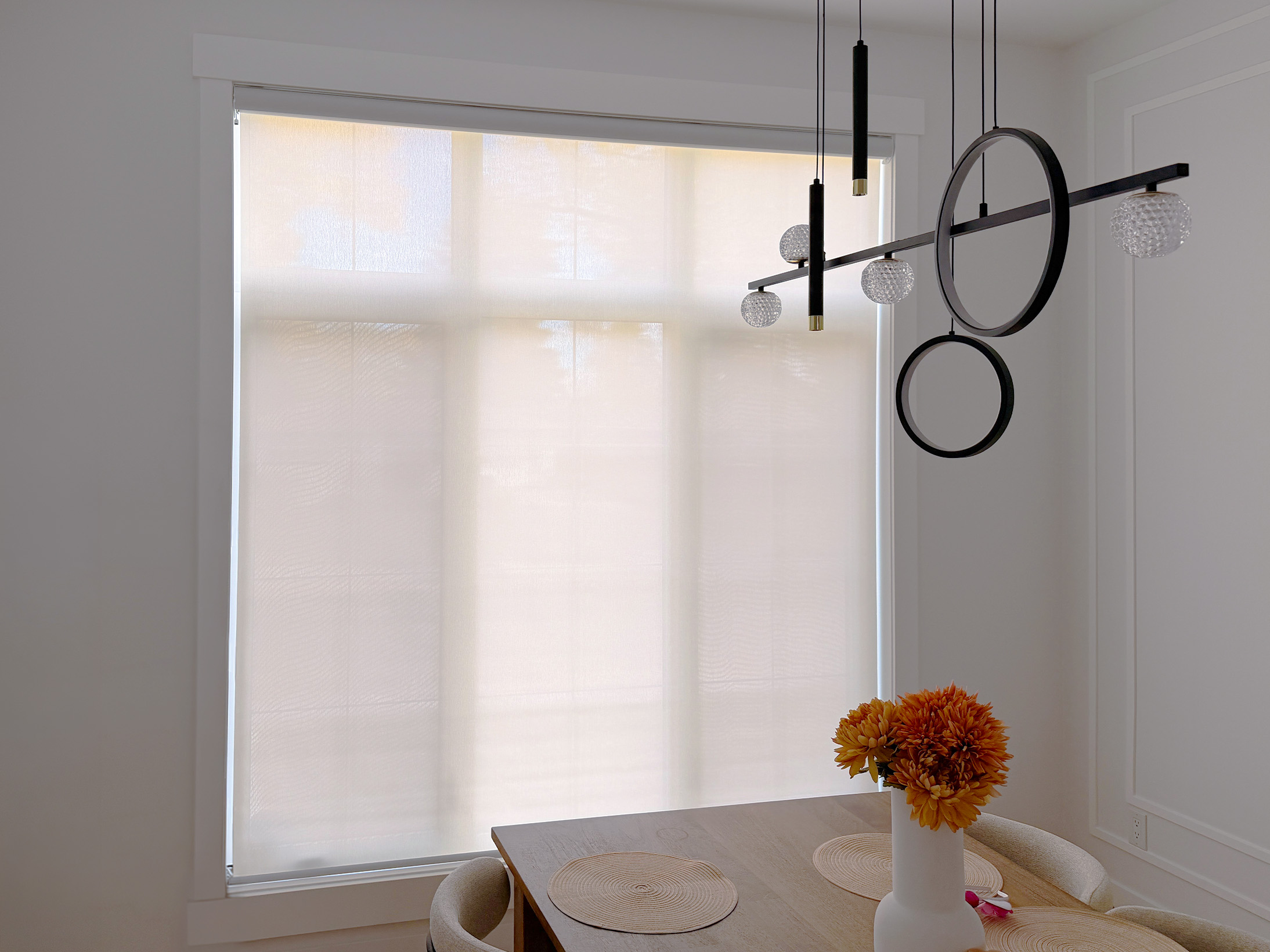
Roller blinds are usually the easiest to install for most DIY projects. They’re light, easy to mount, and fit many standard windows.
Zebra blinds and cellular shades are also good DIY options if your windows are standard and you measure carefully. But for large windows, patio doors, blackout blinds, motorized blinds, or custom-fit blinds with new windows, it’s better to get professional help.
Blinds That Require Professional Installation Skills
There are many types of blinds to fit different needs. Some need special skills to install properly. In these cases, it’s best to hire a professional so your money is well spent:
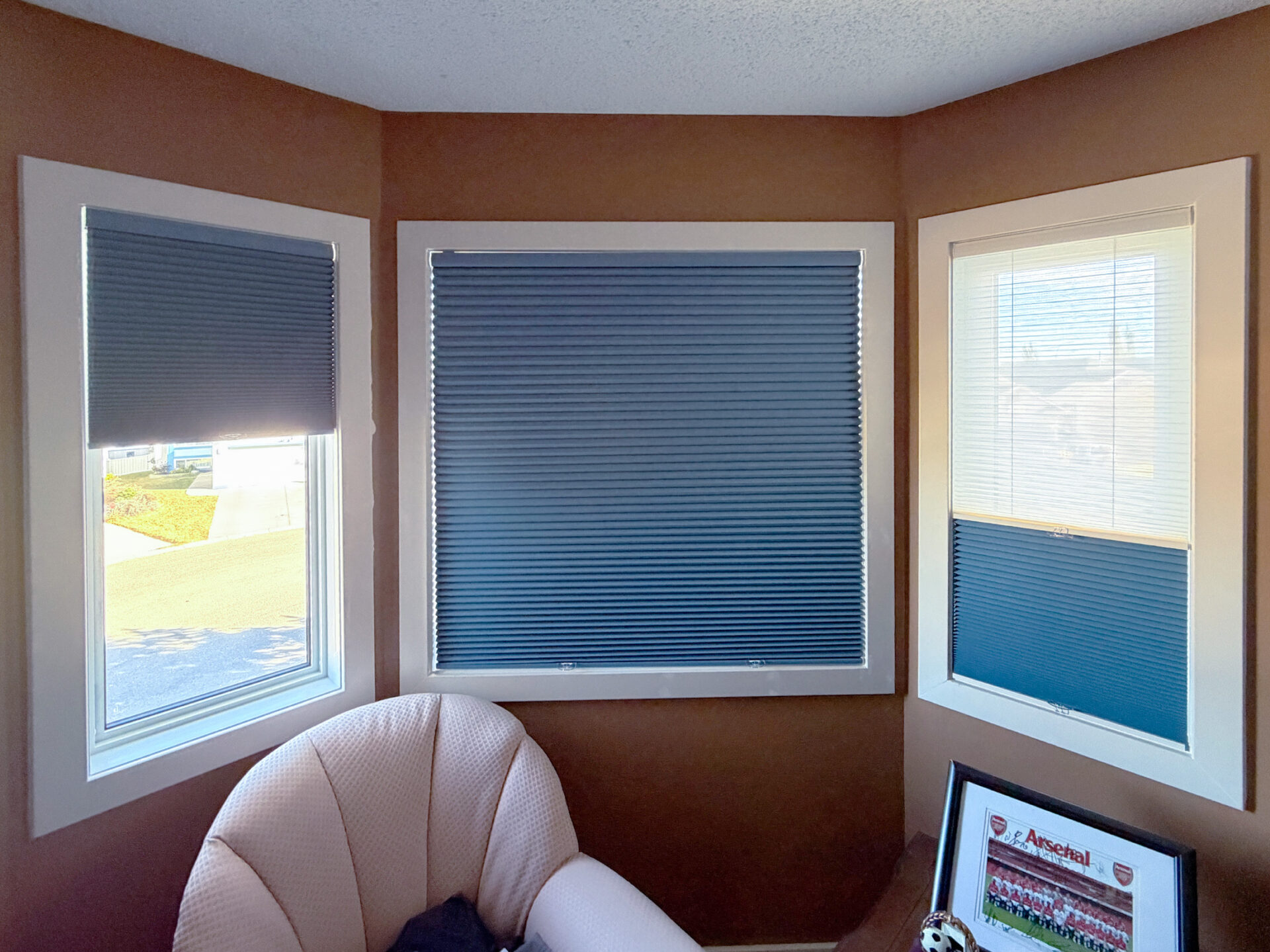
- Blackout blinds are made to block as much light as possible. To do this, you need to install them with no gaps where light can get in. This takes careful measuring and installation, which can be tricky. Experts also suggest mounting blackout blinds outside the window frame for better coverage and light protection.
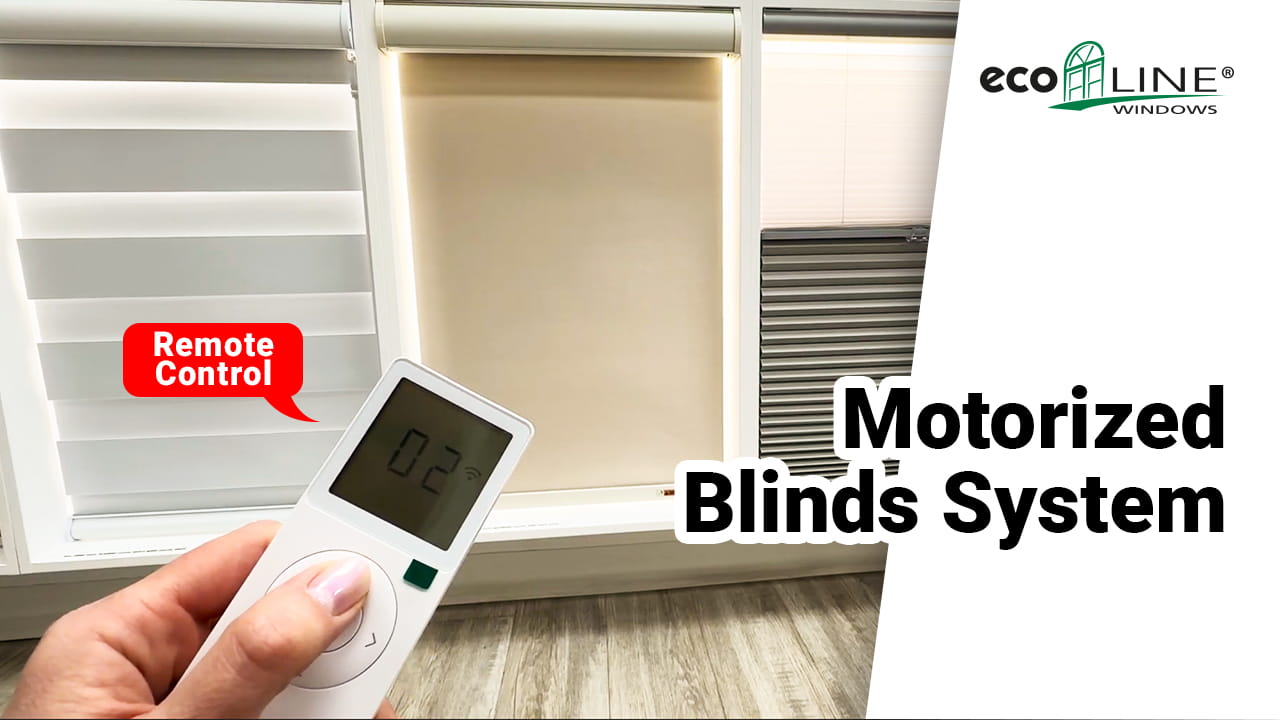
- Motorized or smart blinds can be controlled with remotes or smartphone apps, which is great for tech-savvy homeowners. But installing them may need electrical work or smart home setup, so you should get a professional electrician. These blinds are also heavy, so you’ll need help lifting them.
- Large or heavy blinds, like extra-wide rollers or tall vertical blinds for non-standard windows, need special skills to install. It’s best to hire professionals for these types.
If your windows are in corners or hard to reach, it’s better not to install blinds yourself. DIY work here can look messy and may spoil your interior. High windows also need special skills and can be risky if you’re not experienced.
Inside vs. Outside Mount for DIY Blinds Installation
When people ask, “Can I install blinds myself?” they often don’t mention which installation type they mean. This choice matters. With inside installation, you attach the blinds to the inner window frame. With outside installation, you attach them to the wall or window trim.
For inside mounts, you need to measure very carefully to get a perfect look. With outside mounts, being off by a few inches usually doesn’t matter. If the inside blinds are too big, they won’t fit. If they’re too small, you’ll lose privacy and let in light.
If you pick an inside mount for a small window frame, a regular drill might not fit. You may need a small or flexible drill, or you can use a manual screwdriver to attach the mounts.
For outside mounts, some surfaces can be tricky. If you’re attaching blinds to drywall, you’ll likely need special anchors to support the weight and prevent damage to the wall.
DIY Blind Installation Checklist
Before installing blinds yourself, check the following:
- Measure the window’s width and height at three points.
- Decide whether you need an inside mount or outside mount.
- Check the window frame depth for inside mount blinds.
- Make sure the wall, trim, or frame can support the brackets.
- Use anchors when drilling into drywall.
- Check whether the blinds are too wide or heavy to install alone.
- Use a level before drilling.
- Make sure the window can still open and close freely.
- Test the blind operation before finishing the installation.
- Check for light gaps, uneven lines, or loose brackets.
This checklist is especially helpful if you’re putting up blinds in several rooms. Fixing a small mistake on one window is simple, but repeating it everywhere can become expensive and frustrating.
How Much Can You Save by Installing Blinds Yourself?
Installing blinds yourself can save you about $50 to $150 per window in labour costs, depending on the blind type, window size, local rates, and the complexity of the job. If you have 8 to 10 windows, these savings add up fast. That’s a big reason many homeowners try DIY installation.
These savings only count if you install the blinds correctly. If you damage the wall, measure wrong, drill in the wrong place, or need to reorder custom blinds, you might spend more than if you hired a professional.
DIY installation is usually most cost-effective for:
- Standard roller blinds
- Small or medium-sized windows
- Simple outside mount projects
- Lightweight blinds
- Rental properties
- Rooms where a perfect custom finish is not essential
Professional installation is usually worth it for:
- Custom blinds
- New replacement windows
- Large windows
- Patio doors
- Motorized blinds
- Blackout blinds
- High or difficult-to-reach windows
Can I install window blinds myself?
Yes. Many standard roller blinds, zebra blinds, Venetian blinds, and cellular shades can be installed without professional help if your windows are standard and you have the right tools.
What are the easiest blinds to install?
Roller blinds are usually the easiest blinds to install because they are lightweight and use a simple bracket system. Zebra blinds and cordless cellular shades are also good DIY options for standard windows.
Are roller blinds easy to install?
Yes. Most roller blinds require only two brackets, accurate measurements, a level, and basic tools. They are one of the most beginner-friendly blind types for DIY installation.
Does Ecoline offer blinds with installation?
Yes. Ecoline offers blinds as a supply-only option or as part of a complete package with professional installation. This is especially useful when ordering blinds together with new replacement windows.
Are zebra blinds easy to install?
Zebra blinds are usually easy to install, but they must be level. Because the fabric has alternating sheer and solid stripes, uneven installation can be more noticeable than with standard roller blinds.
Are cellular shades easy to install?
Yes, many cellular shades are easy to install, especially cordless models for standard windows. However, inside mount cellular shades require accurate measurements to avoid gaps or poor operation.
Do motorized blinds need professional installation?
Professional installation is recommended for motorized blinds. These systems may require wiring, battery setup, programming, remote pairing, or smart-home integration.
 5 Best Types of Roller Blinds Canadian Homeowners Love (And Why)
 Blackout Blinds for Windows: Ultimate Way to Privacy and Light Control
 Best Window Blinds to Buy in Canada (2026 Guide)
 Best Blinds for Bedrooms: Finding the Right Fit Without Guesswork
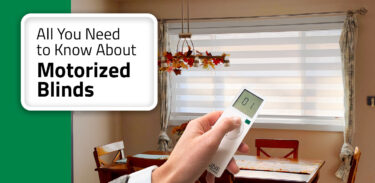 All You Need to Know About Motorized Blinds in 2026

1750 Coast Meridian Rd #102,
Port Coquitlam, BC V3C 6R8
100, 17866 106A Avenue,
Edmonton, AB, Canada,
T5S 1V3
3307 Dunmore Rd SE #12,
Medicine Hat, AB,
Canada, T1B 3R2
2081 Merivale Rd #201, Ottawa, ON, Canada, K2G 1G9
by appointment only
108, 55 Akerley Blvd, Dartmouth,
NS, Canada, ВЗВ 1M3