Custom blinds designed around your window’s size, shape, style, and everyday use

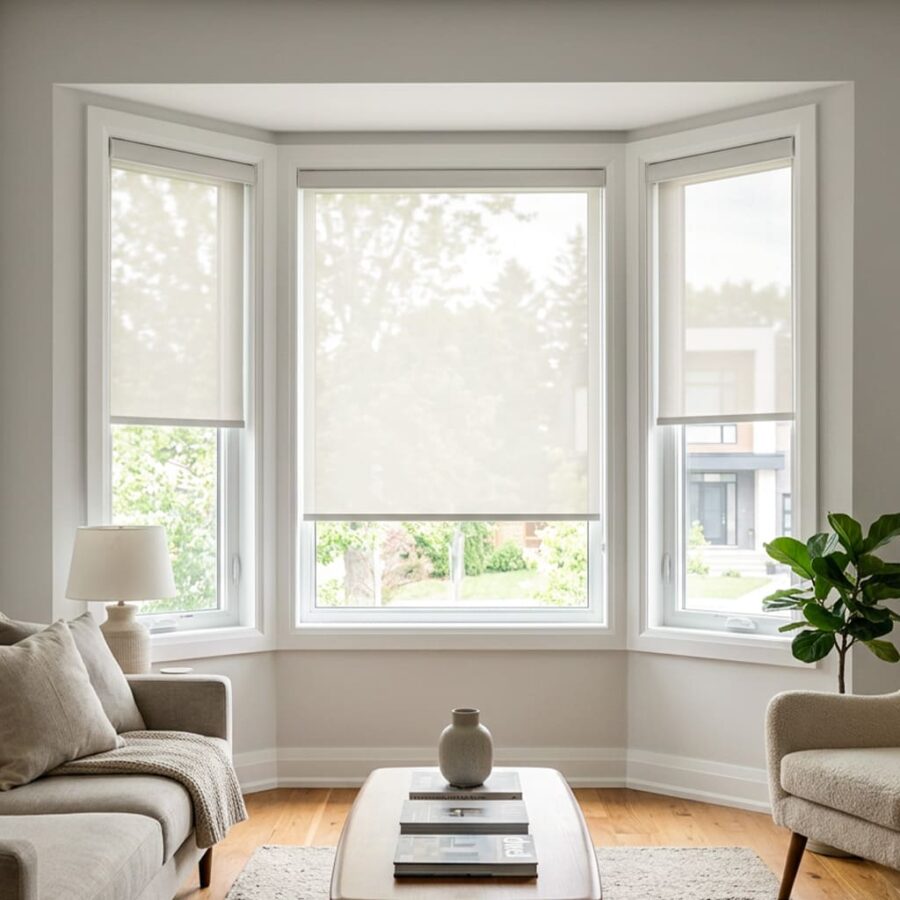
Bay windows have several angled sections, so each blind should fit neatly without overlapping the panels next to it. Using separate coverings also makes it easier to control light in different parts of the window.
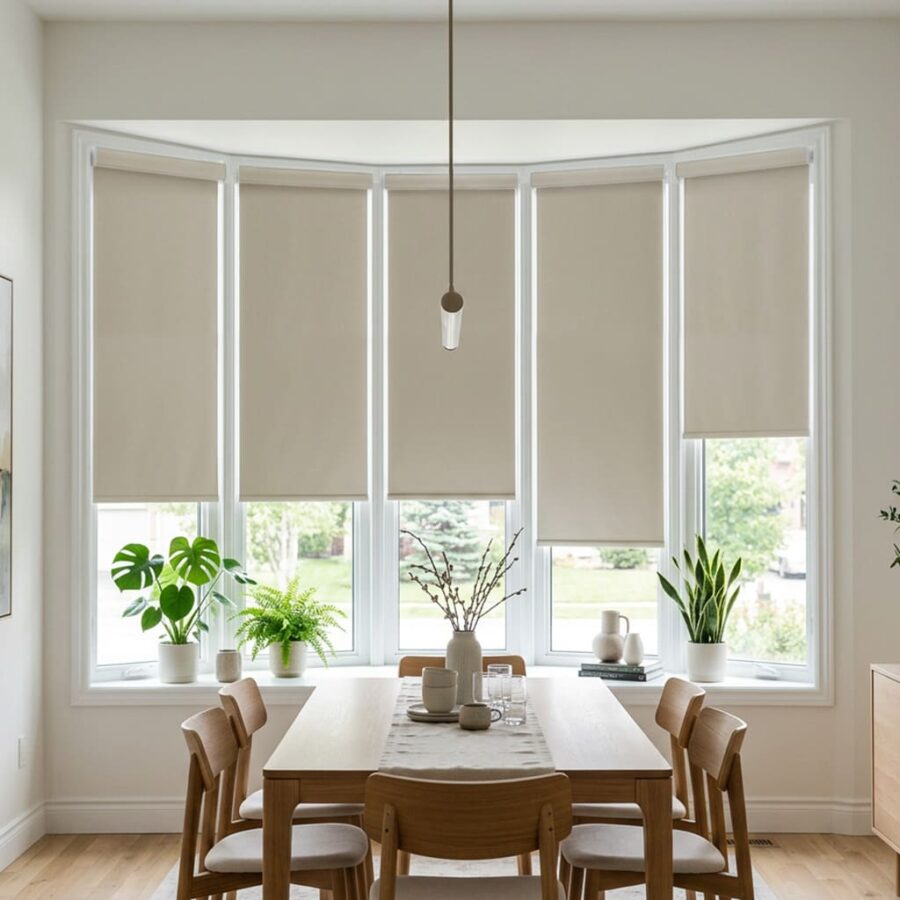
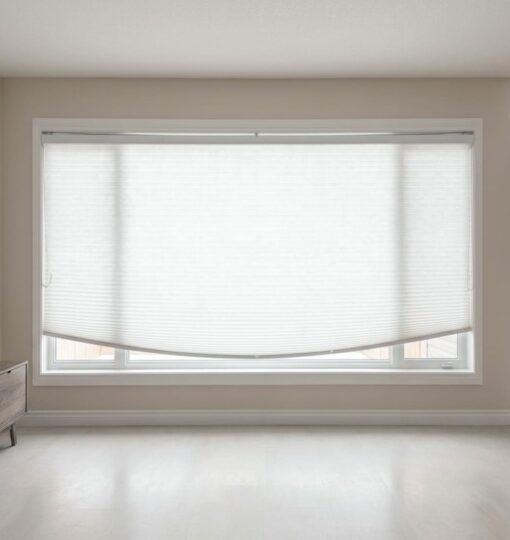
Bow windows are made up of several narrow sections that form a curve. Small, custom-fitted blinds help keep the curved look and let the window’s unique style show.
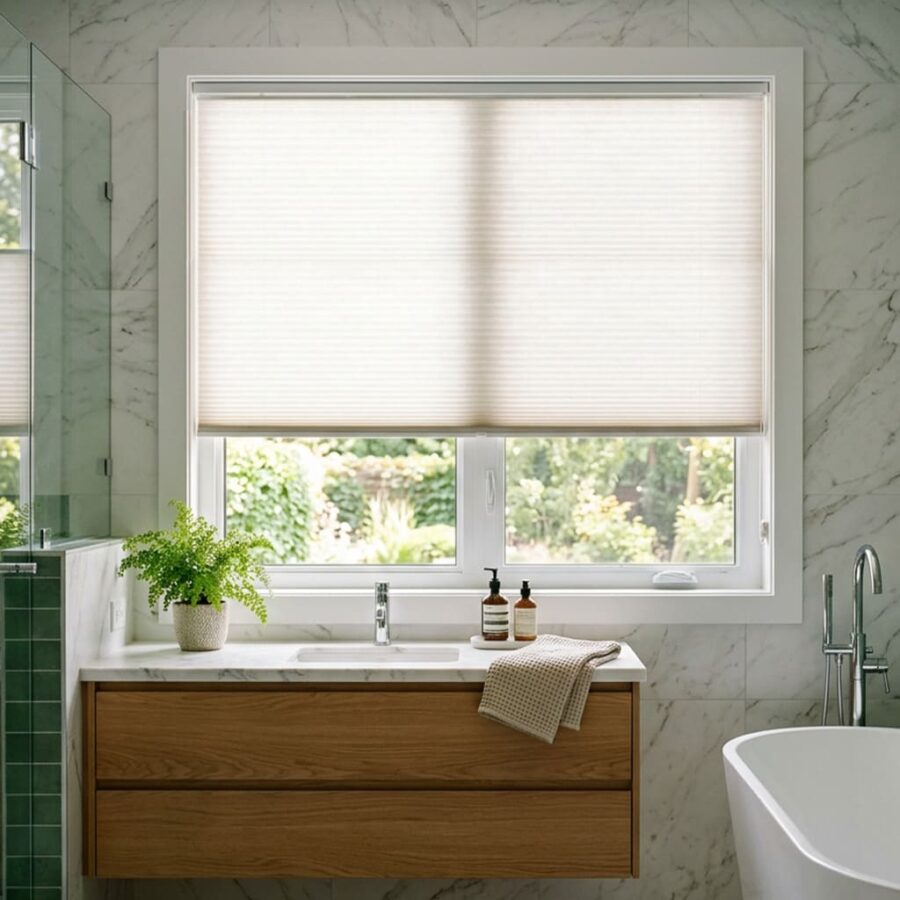
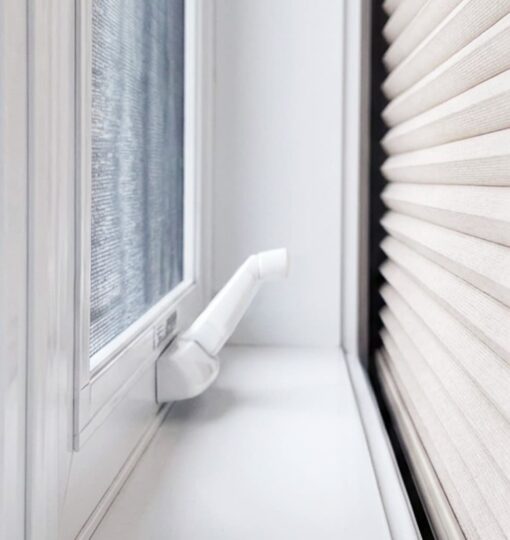
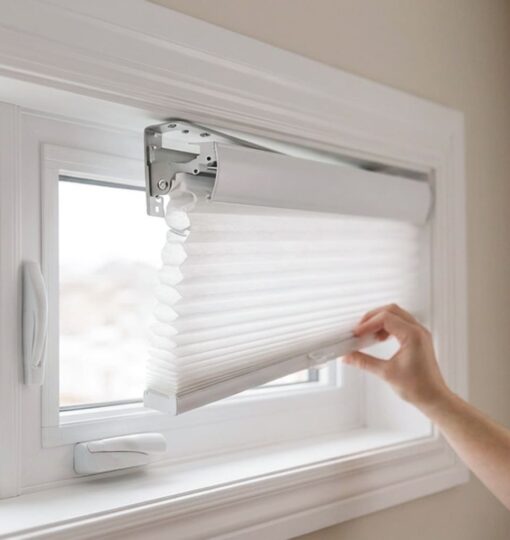
Casement windows open outward and usually have a crank or handle inside the frame. Make sure there is enough space for the blind so the window can open, close, and lock easily.
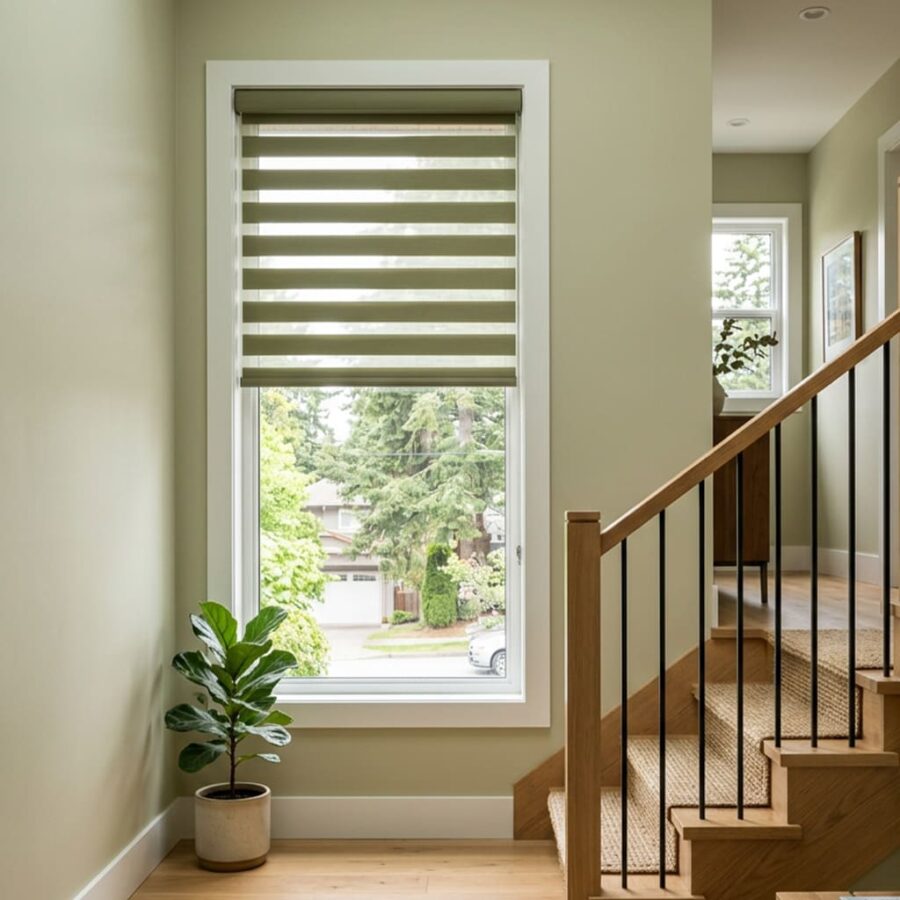
Picture windows have large, fixed panes and no moving parts to work around. When choosing blinds, think about the size of the glass, the weight of the blind, how much light you want to control, and how easy it is to use.
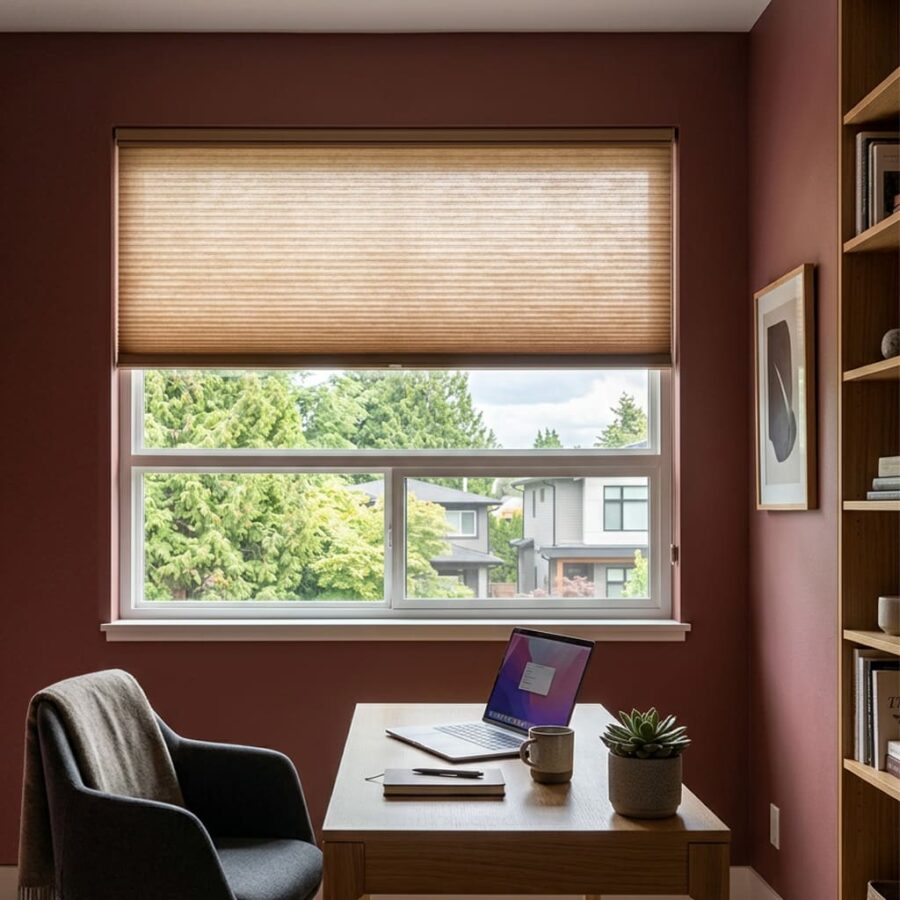
Sliding windows have panels that move side to side, so the blind should not get in the way of the sash, lock, or handle. Placing the blind correctly makes both the window and the covering easy to use.
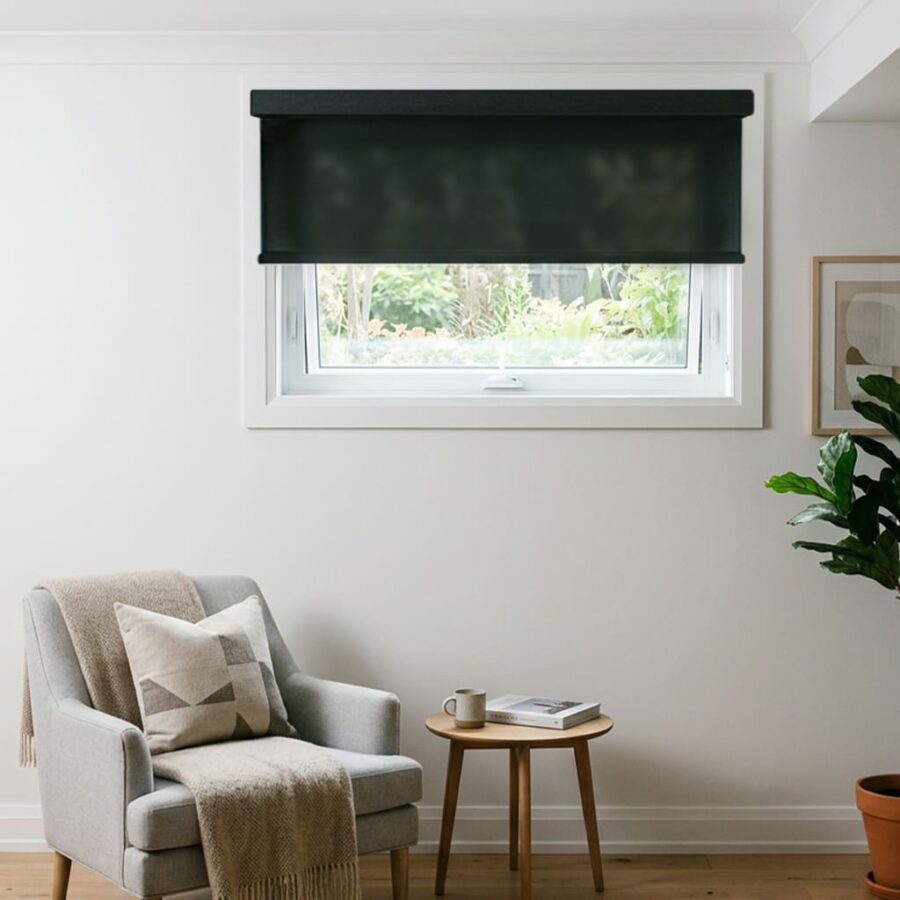
Awning windows open outward from the bottom and often have handles or other hardware along the frame. When choosing blinds, make sure there is enough space for mounting and that the handle can still be used easily.
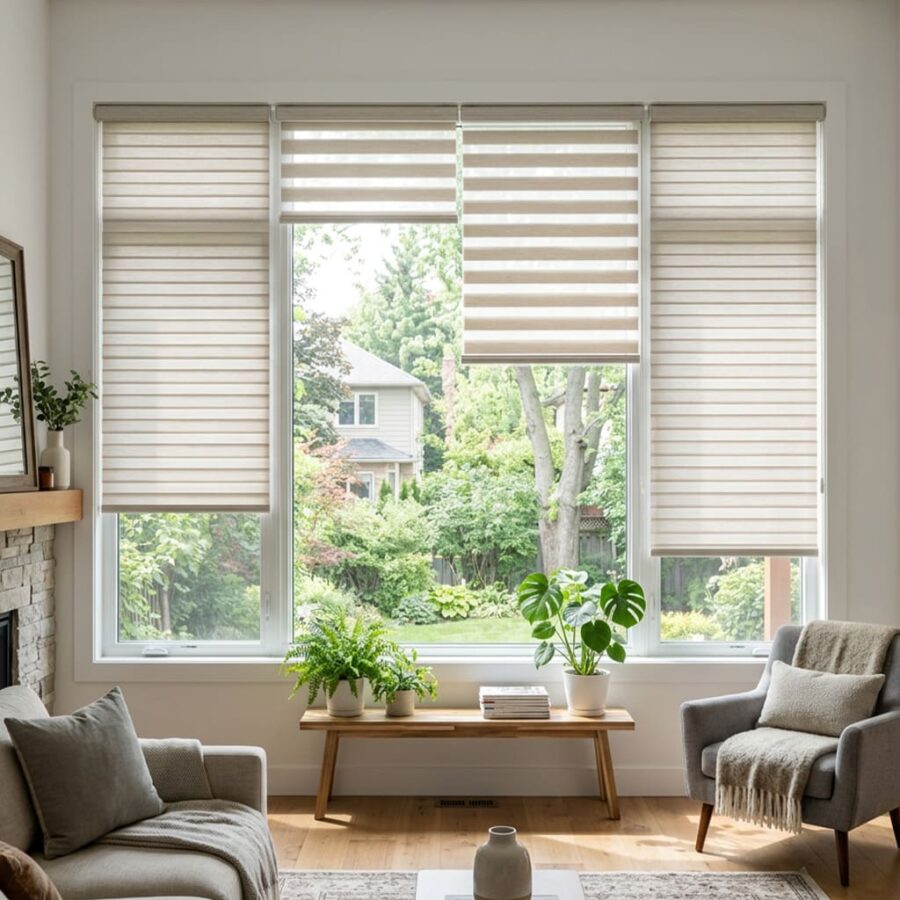
Very large windows can make a single big blind heavy and hard to use. Depending on the size and layout, using several matching blinds or a motorised option might work better.
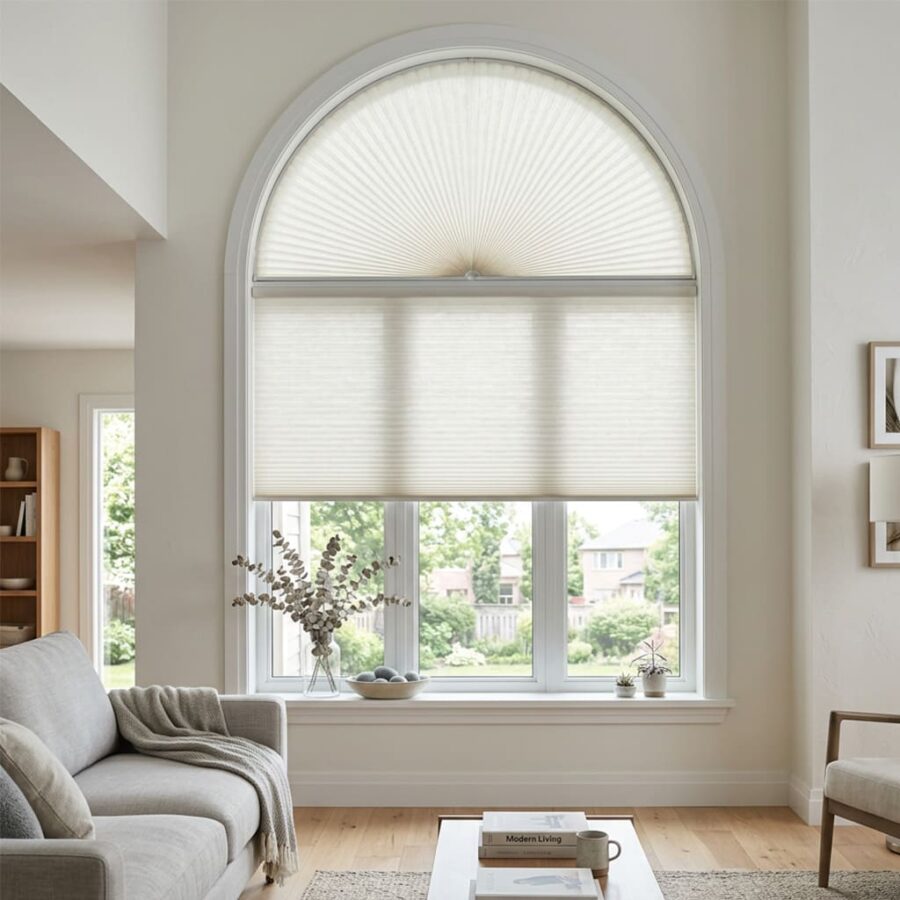
Arched windows need blinds that fit their curved shape, not just a regular rectangle. You can choose to cover the arch or leave it open to show off the window’s design.
| Type | Best Fit | Details to Consider |
|---|---|---|
| Bay window | Roller, Zebra, Cellular | Individual panel fit and corner clearance |
| Bow window | Roller, Cellular | Narrow sections and compact hardware |
| Casement window | Roller, Faux Wood | Handle, crank and sash clearance |
| Picture window | Roller, Zebra, Roman shades | Width, weight and light control |
| Sliding window | Roller, Zebra, Cellular | Clearance around moving sash |
| Awning window | Roller, Cellular | Opening direction and mounting depth |
| Large window | Vertical Blinds, Panel Tracks | Width, hardware strength and operation |
| Arched window | Depends on shape | Custom measurements and geometry |
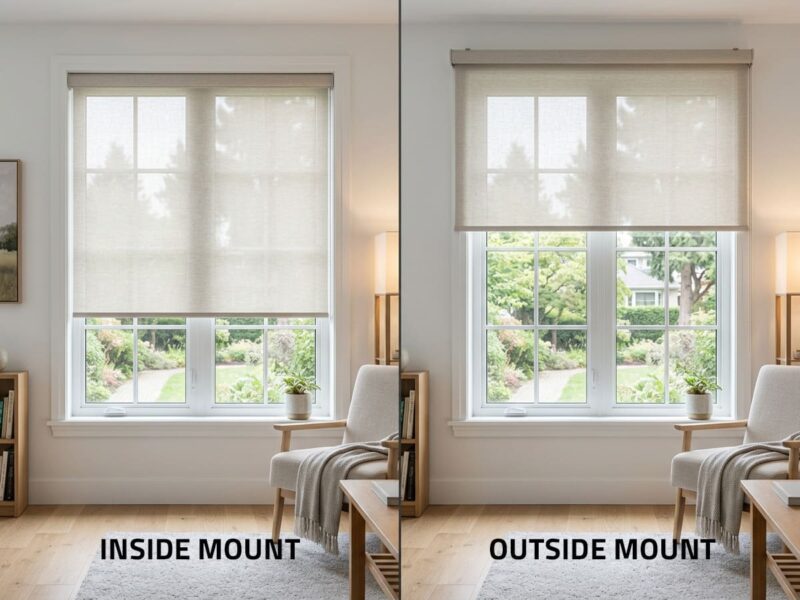
Inside Mount
Your blind sits within the window opening for a clean, built-in appearance that keeps the trim visible.
Outside Mount
Your blind is installed above or around the window opening, covering part of the frame or surrounding wall.

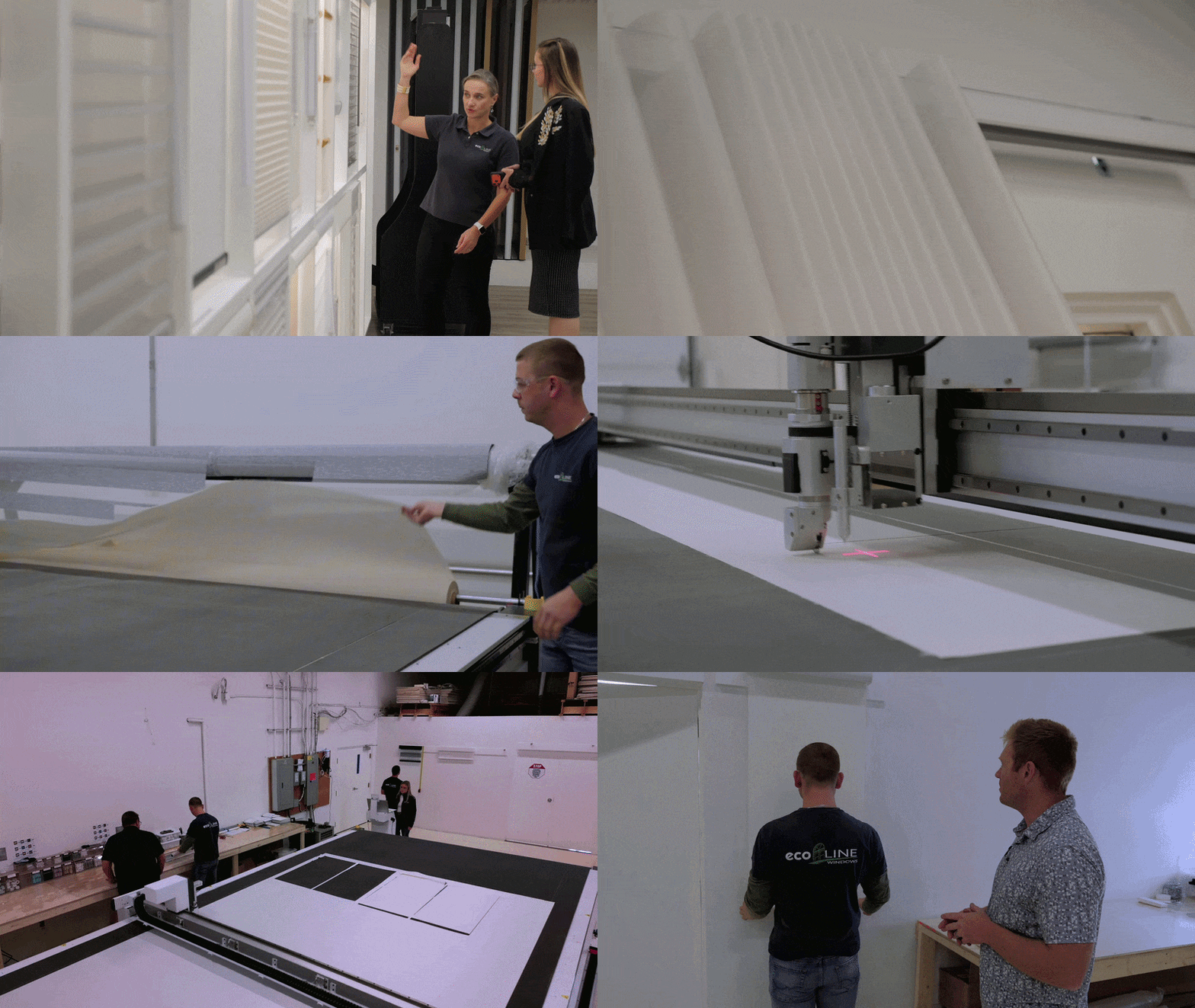
No two windows are exactly the same. That’s why they need blinds that are a perfect match. We start by measuring your opening, then look at how your window works, and finally suggest blinds that fit the glass, frame, and hardware.

Professional
Measurements

Custom
Manufacturing

Professional
Installation

We offer one of the best warranties for blinds in Canada. Because we use high-quality materials, we are confident in the durability and performance of our products.
Our warranty includes 7 years on fabrics and 5 years on motors.
*conditions apply
We are always happy to chat with our customers face-to-face. Feel free to visit any of our showrooms across Canada to learn more about our products and services.
walk-ins welcome
Roller shades and cellular shades are very versatile because they have a slim design and work with most standard windows. However, the best fit also depends on the depth of your window frame, the hardware, the window size, and whether you mount the blind inside or outside the frame.
Casement windows often work best with slim roller or cellular shades that leave space for the crank, handle, and window sash to move. Before picking a window covering, check how much the hardware sticks out and if the frame is deep enough for mounting.
Often, yes. Using separate blinds for each section of a bay window gives you better control over light and privacy, and fits the window’s angles more closely. Be sure to measure carefully so the blinds work smoothly without touching each other.
Yes. If your window frame is too shallow for an inside mount, you can usually install the blind outside the frame, above or around the window. The best choice depends on your mounting space, trim, hardware, and how much of the glass you want to cover.