


-RATED BY




Built in Canada
All Ecoline windows and doors are built in Ontario, Canada
- Top-of-the-line machinery (Forel, Gracco, Bottero) to produce the best products
- Over 60,000 sq. ft manufacturing plant
- Energy Star-rated and NAFS-11-tested
- Manufactured for local weather conditions
Entry Doors Quote Checklist: What Should Be Included (And Red Flags to Watch For)
Mar 24, 2026
14 min read
26
A good entry door quote should include much more than just the door style and final price. It needs to clearly list the exact door system, energy specs, installation details, finishing work, warranty, lead time, payment terms, and anything that is not included. If those details are missing, the quote is not really a quote. It is more of a polite suggestion with a number attached.
This is where many homeowners run into trouble. Two quotes might look almost the same at first. Both could say “steel entry door installed” and promise energy efficiency. Both might sound professional on the phone. But one might include the full frame, insulation, trim, disposal, finishing, and real performance data, while the other leaves out half the job as if it’s not important. These missing details often become big problems later.
A detailed quote gives you something real to compare. It shows what you’re paying for, what kind of performance to expect, and where extra costs might come up. Most importantly, it helps you avoid the common situation where a low price suddenly turns into a much higher one.
In this checklist, our experts break down what should be included in your exterior door quote and the warning signs to watch for before you sign.

The Exact Door System Being Quoted
“New entry door” might sound clear, but if it shows up on a quote without any other details and just a price, it asks you to trust too much. This kind of wording isn’t helpful for homeowners, designers, or anyone comparing proposals. A proper quote should name the exact door system, not just the general type. Otherwise, two quotes might look similar but actually describe very different products.
This part is important because the door itself affects most of the project’s cost, performance, and appearance. The material makes a big difference, as does whether you’re getting just a door slab or a full system with a new frame, threshold, brickmould, weatherstripping, hinges, and glass.
Sometimes, homeowners think they’re getting one thing, but the quote is actually for a basic version. That’s how a “great deal” can quickly become expensive when you start asking questions.
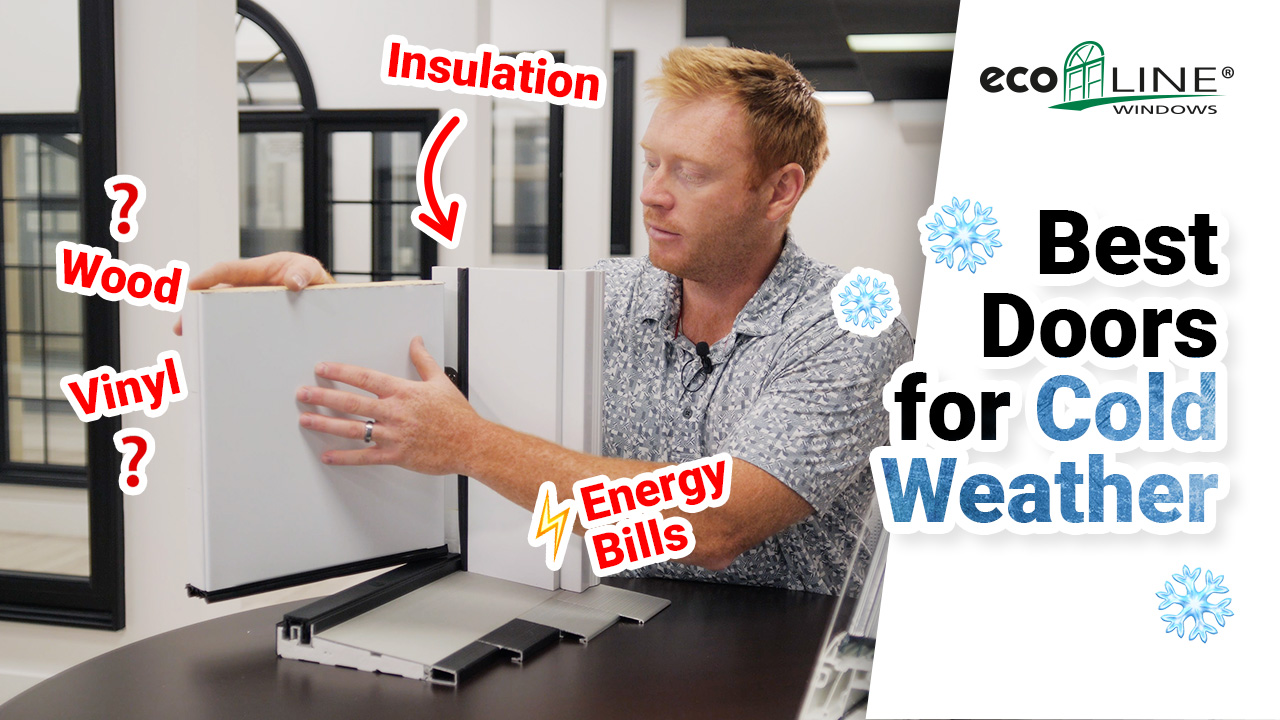
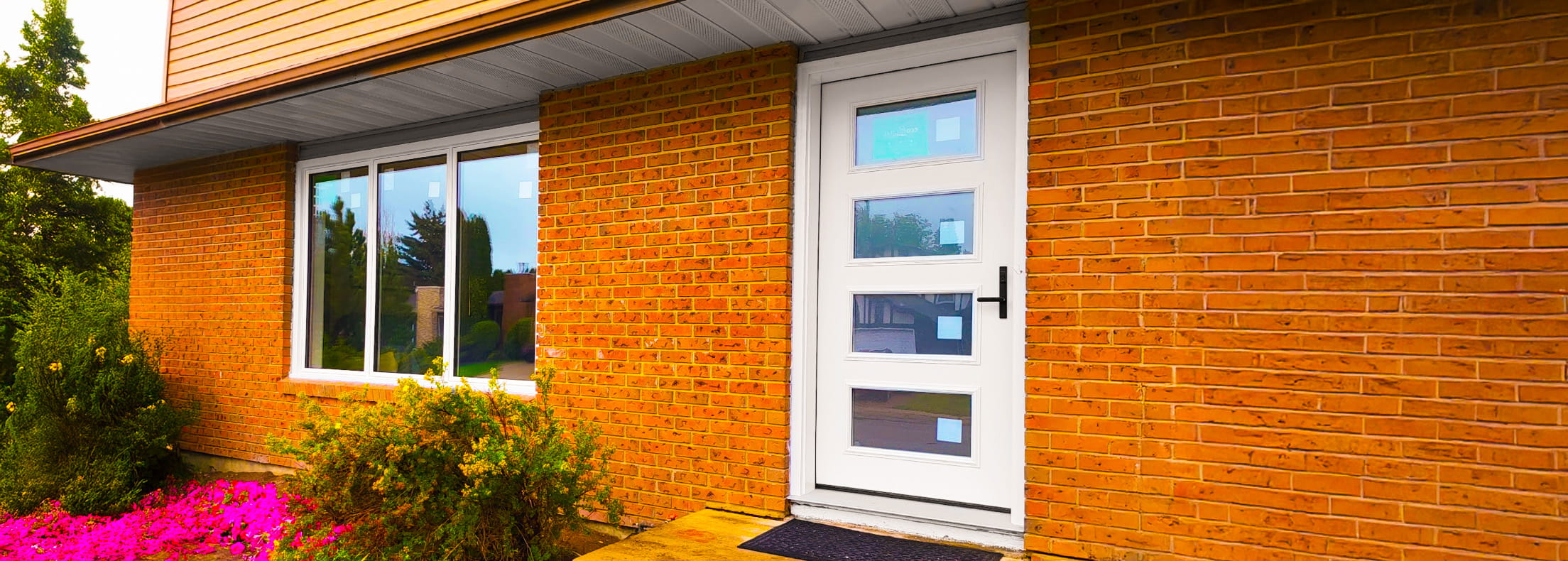
A good quote should clearly describe the product you’re ordering. This means not just the visible design, but also the structural details that affect how it fits, how long it lasts, and how well it works. If the quote is vague, it’s much harder to judge quality, compare choices, or know if the product is right for your home.
The written quote should identify key product details such as:
- door material or skin material, such as steel or fibreglass
- slab only or full door system
- frame material
- door size and whether it is standard or custom
- glass configuration, privacy level, and insert size
- sidelites or transom, if included
- hinge colour, lock prep, and hardware scope
- interior and exterior finish details
Homeowners should also be careful with terms that sound specific but don’t really explain anything. For example, “decorative glass” isn’t a real specification, and neither is “premium entry door.”
Even “steel door” doesn’t tell you much if the quote doesn’t explain the frame, glass, core, or whether the whole system is being replaced. A clear quote removes the guesswork and tells you exactly what you’re getting, so you can judge the project based on facts, not guesses.
Exact Energy Specifications That Should Appear On the Quote
This is one of the most important parts of an entry door quote, but it’s also easy for companies to hide behind marketing terms. A quote might say “energy-efficient,” “high-performance,” or even “Energy Star rated,” but still not give you any real information. If the actual energy specs are missing, you’re being asked to trust the label instead of the facts.
That might be fine for coffee or candles, but not for your modern front door, which needs to handle real winters and weather, and it might cost you two, three, or even five thousand bucks.
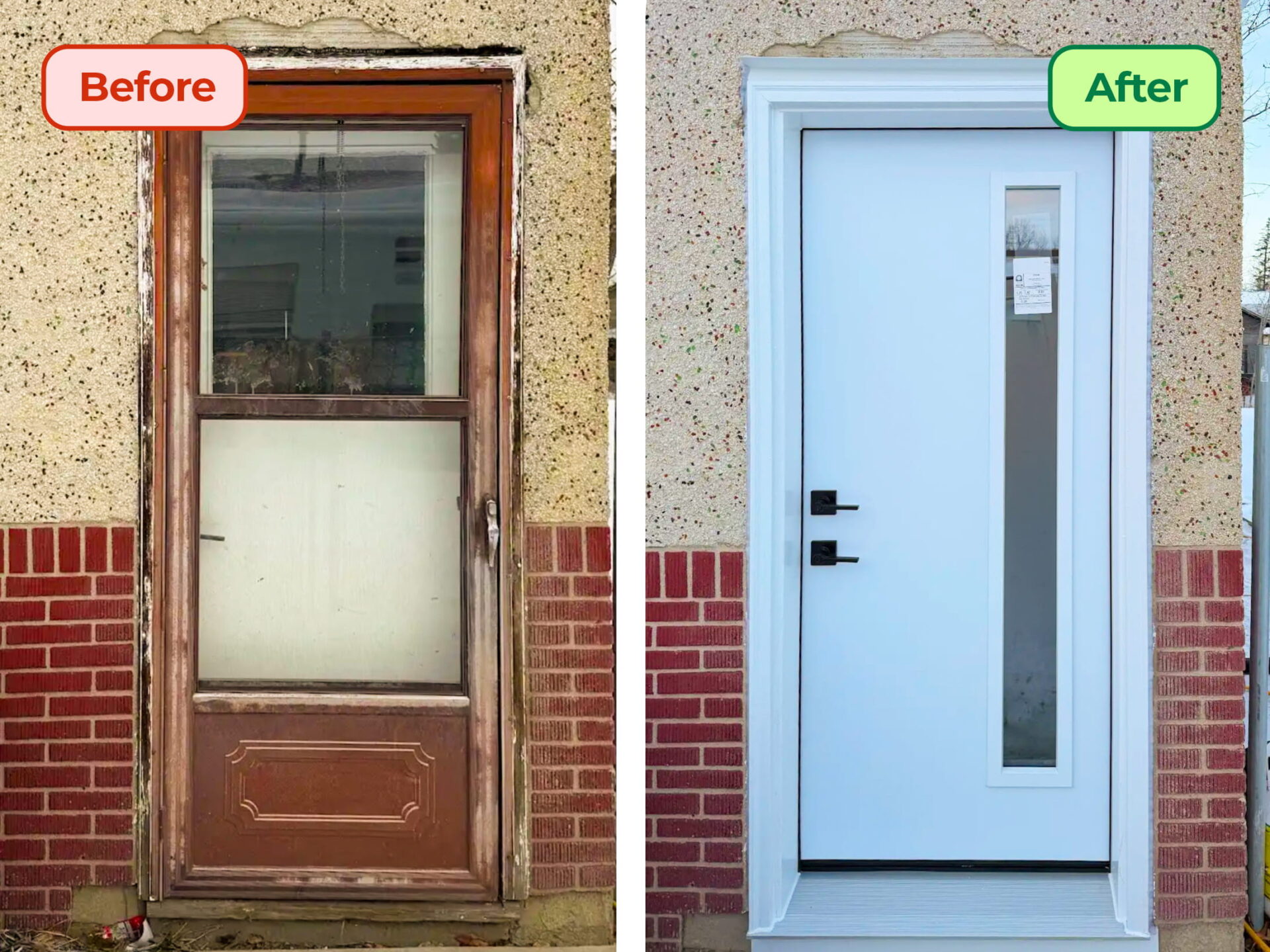
A good quote should include the energy data for the exact door you’re considering, especially if it has glass, sidelites, or a lot of glazing. This information helps you know if you’re paying for real performance or just nice-sounding words. It also makes it easier to compare quotes honestly. Two doors might look the same in pictures but perform very differently once installed.
But how can you verify that information? Well, easy enough. Every door company in Canada has all their Energy Star-rated products listed on the Energy Star website, where, using a searchable product list, you can check any door model and its specifications.
Then verify it with the one included in your quote. And yes, if you can’t find your quote product on the Energy Star website, it tells a very simple story: this product is not energy-efficient, so you don’t want to buy it.
For example, here is what you might find when checking Ecoline doors we made with Stage using its model number NV1-900-LF-TLO-205-N-FIX-IUST-CN-ZFS on the Energy Star:
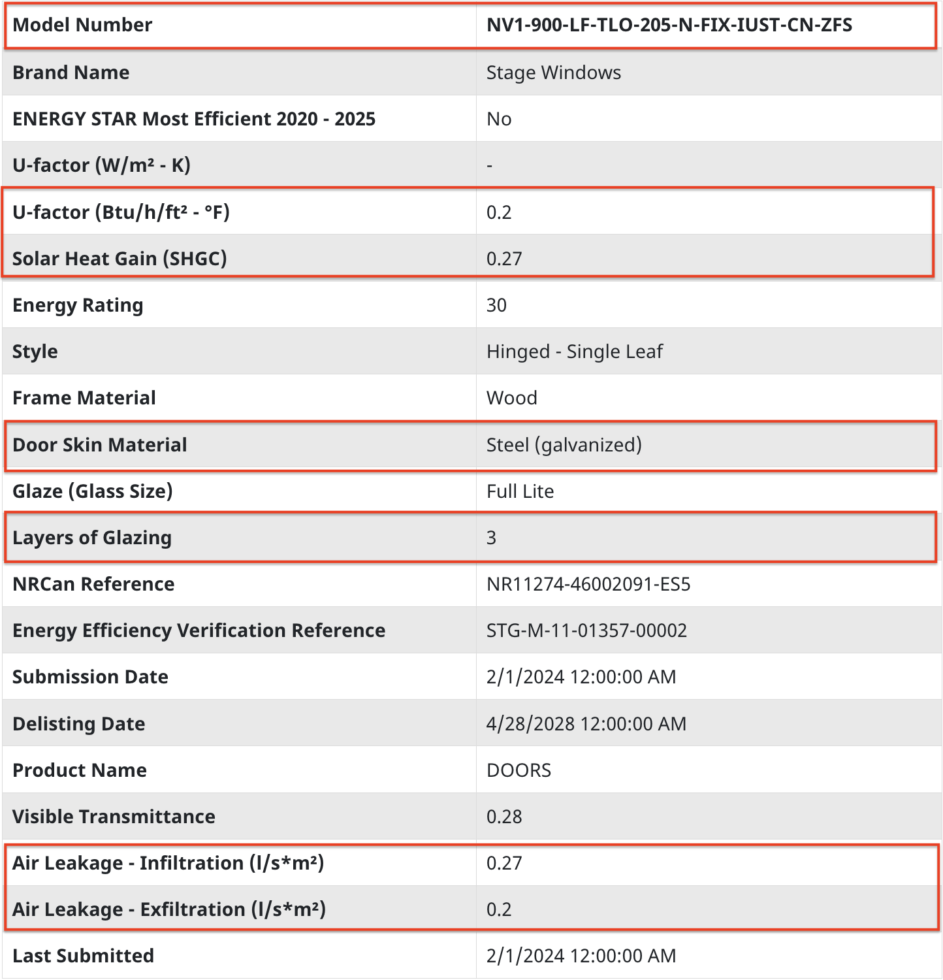
The most important specs to look up to are:
- U-factor: 0.2
- Solar Heat Gain Coefficient (SHGC): 0.27
- Energy Rating: 30
- Door skin material: galvanized steel
- Glazing: full lite
- Layers of glazing: 3
- Visible transmittance: 0.28
- Air leakage infiltration: 0.27
- Air leakage exfiltration: 0.2
You don’t need to become a building expert overnight, but you should know what these numbers on the quote mean.
- The U-factor shows how well the door resists heat loss. Lower numbers are better. More than 0.45 is not recommended.
- SHGC shows how much solar heat passes through the glass.
- Air leakage numbers matter because a door can look impressive on paper and still feel disappointing if it leaks air around the system.
Simply put, every quote should list the actual energy specs for the door model, not just vague claims from a brochure.
Door Removal, Prep Work, and Installation Scope
In this part, many entry door quotes get vague, using phrases like “professional installation included.” That might sound good, but by itself, it doesn’t say much. Installation involves many steps that affect how the door fits, seals, and locks, and how it works over time. If the quote doesn’t explain what’s included, you’re left guessing what’s covered and what might become an extra charge later.
This matters more than most people realize. A door might look great in the showroom but still perform poorly if the opening isn’t properly prepared, levelled, insulated, and sealed. The product is important, but the work around it is just as critical. A vague installation quote is often where a low price starts to fall apart. Problems might not be obvious at first, but they can cause trouble later.
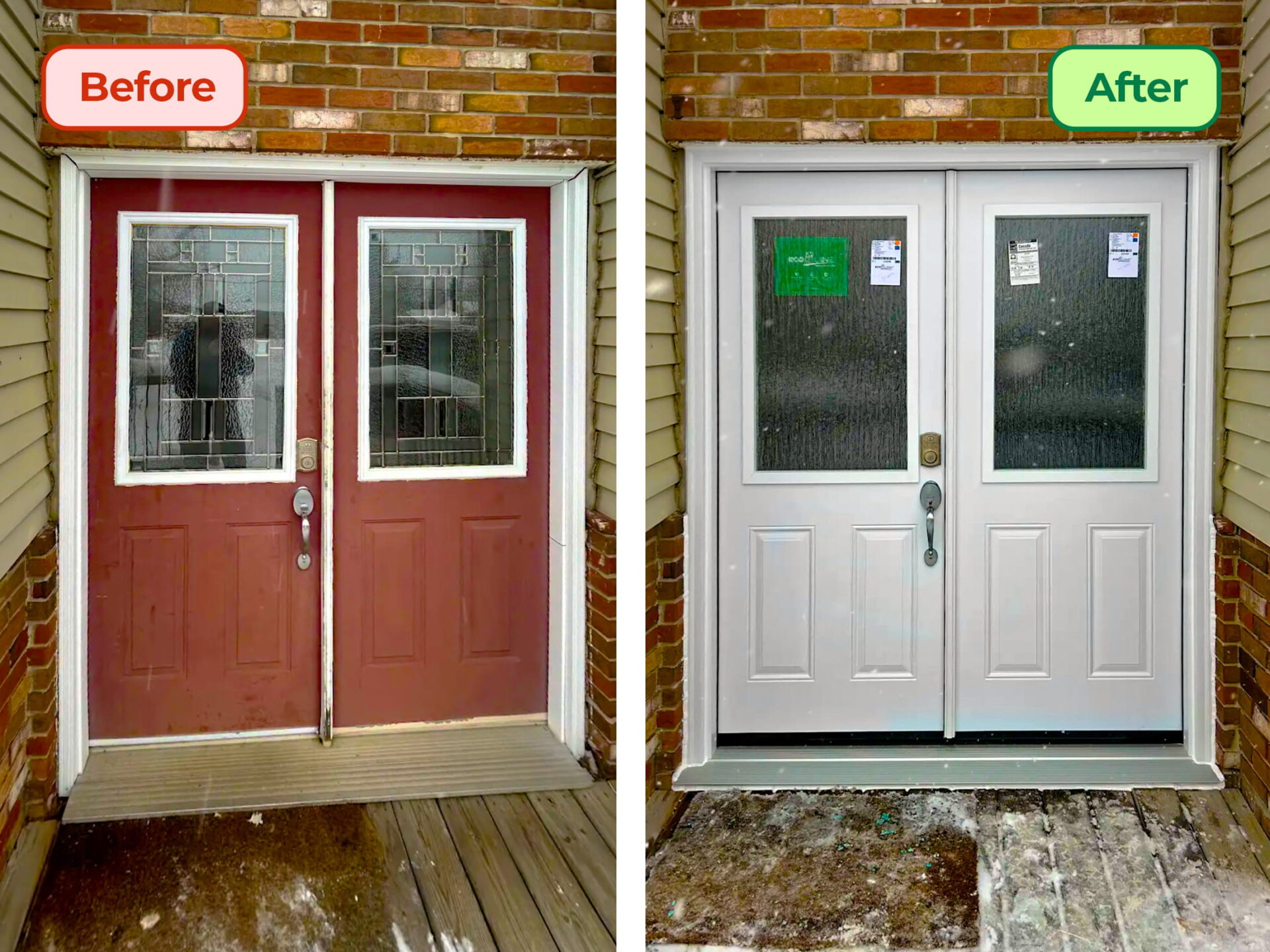
A good quote should specify whether it includes removing the old door and frame, removing old materials, checking the rough opening, adjusting the sill or threshold, adding insulation around the frame, air sealing, exterior sealing, levelling, fastening, and final alignment. It should also explain what happens if hidden problems show up after the old door is removed.
Small issues are common in older homes. Rot, water damage, shifting, or uneven framing are not unusual, and ignoring them won’t make them go away.
The removal, preparation, and installation section of the quote should also explain how other exterior door costs are handled. If more repairs might be needed, the quote should say so up front, not surprise you in the middle of the job. A clear installation scope gives you a realistic idea of the work, protects you from vague add-ons, and makes it easier to compare quotes based on the real work, not just the final price.
Finishing Work, Cleanup, and the Details Many Quotes Skip
Many homeowners overlook this part of the quote until the door is installed and realize what wasn’t included. The new door might be in, the lock works, and the crew is gone, but the interior trim looks unfinished, the exterior caulking is messy, and the old door is still sitting outside. These details might not seem important at the quote stage, but they matter a lot once the job is done.
A good entry door quote should make it clear what finishing work is included. You should know if the project covers interior casing, exterior trim or brickmould, capping, caulking, insulation finishing, paint or stain touch-ups, and debris removal. These aren’t just small extras. They directly affect how finished the job looks, how well the door is sealed, and whether the result feels like a real upgrade or an incomplete job.
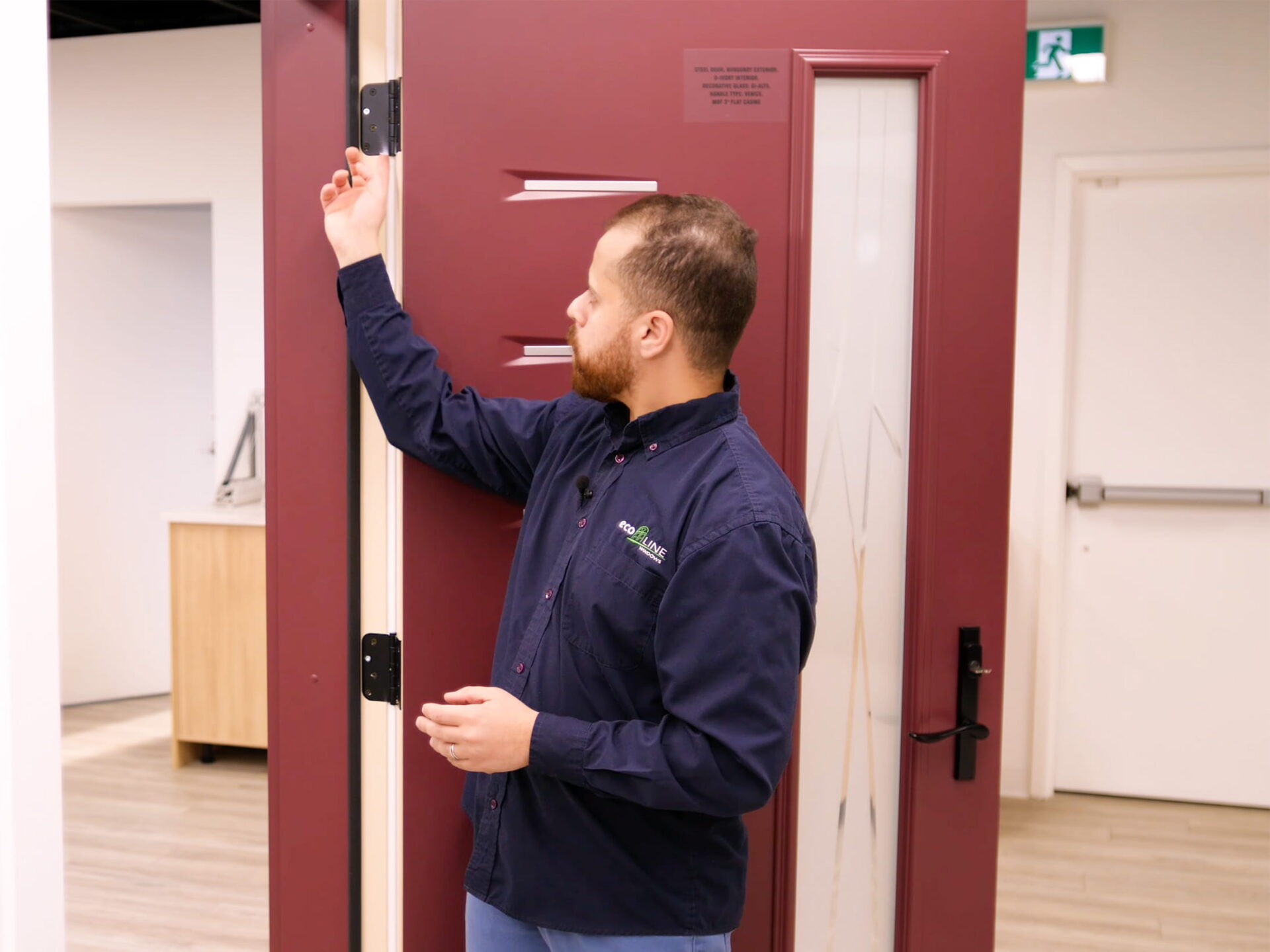 Ecoline’s expert Mo Saidi presenting our single doors
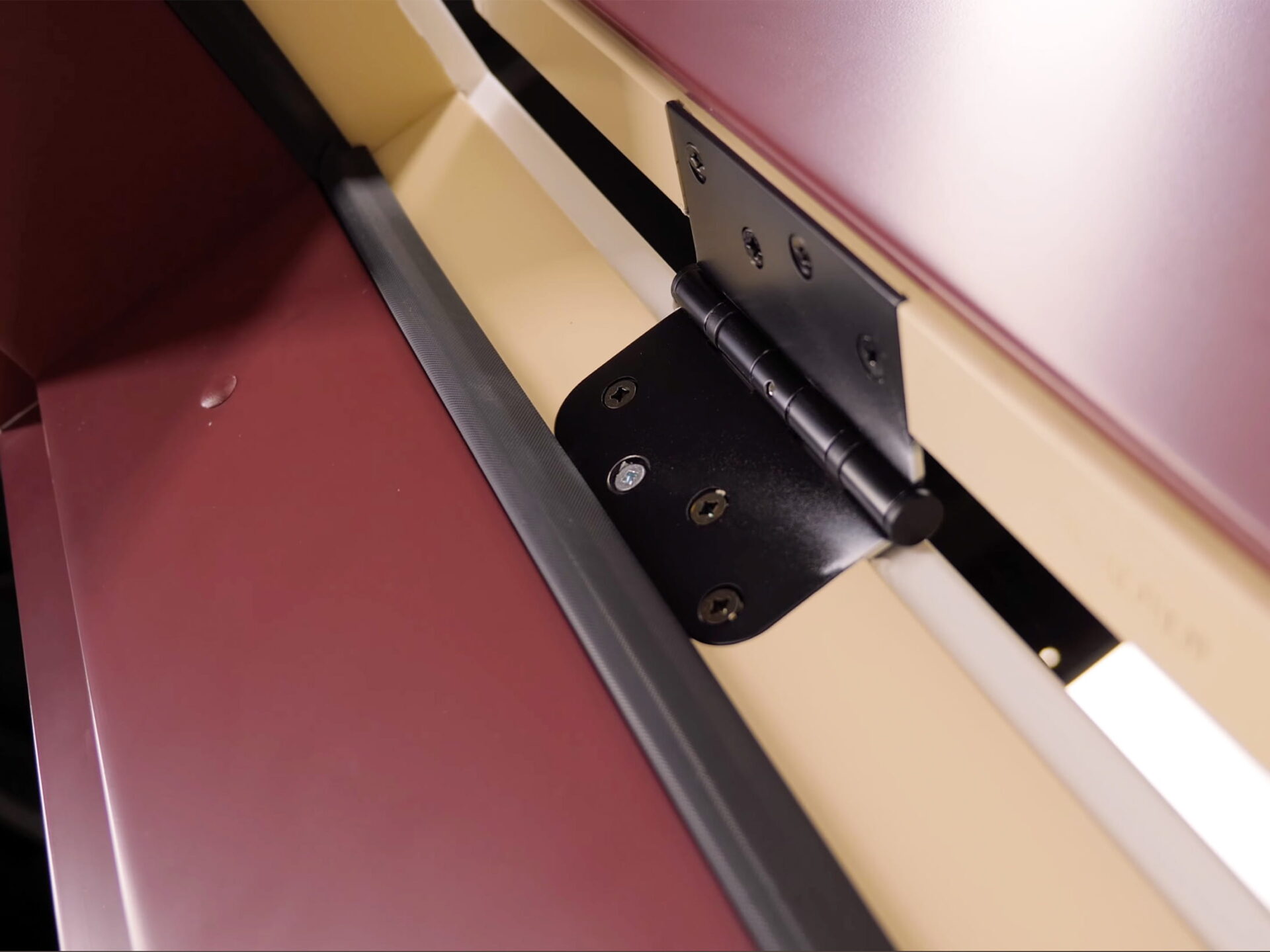 Ecoline door premium hardware showcase
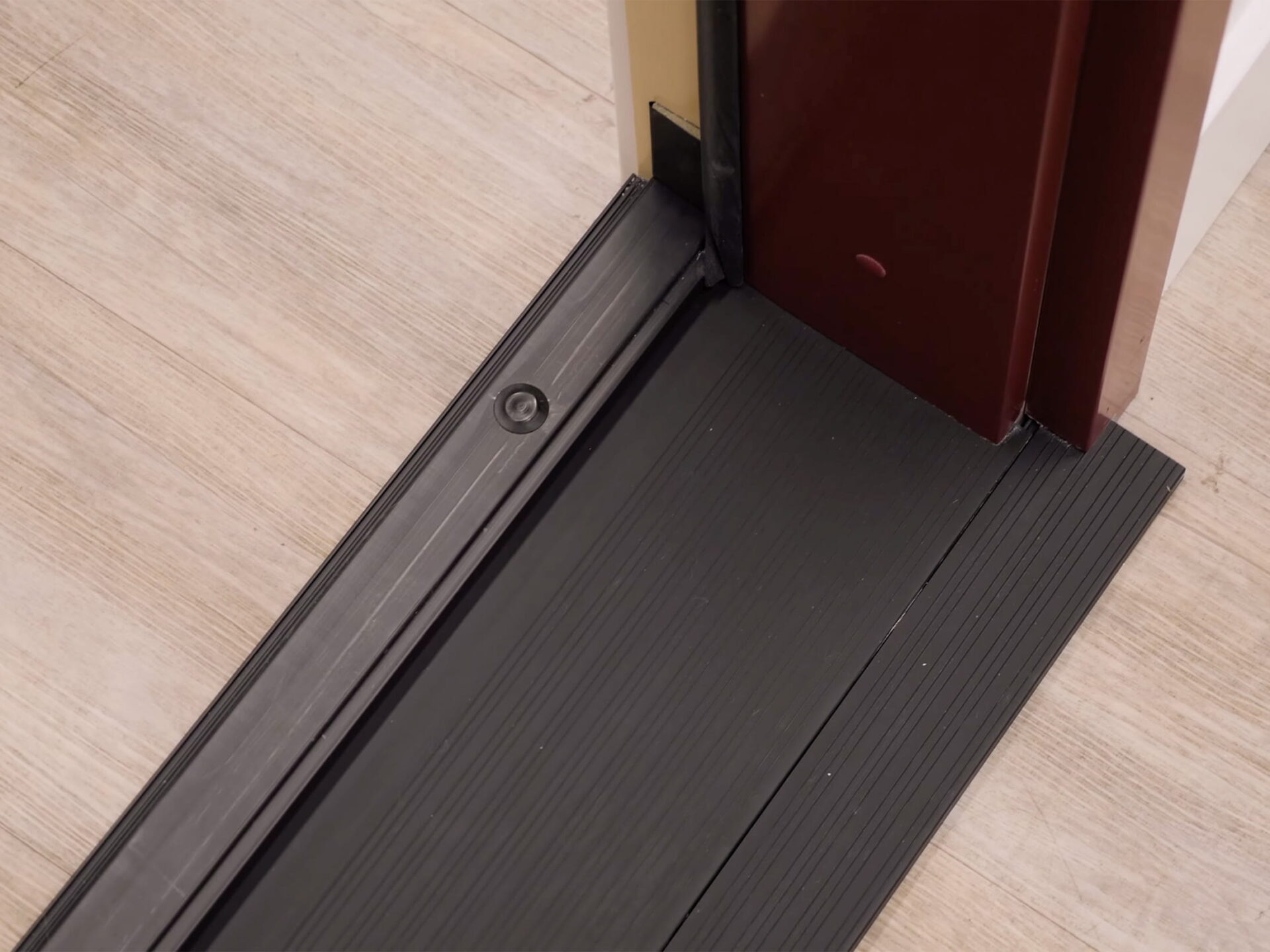 Ecoline door threshold showcase
This is also where comparing quotes can be tricky. One company might include a full finish with removal and disposal, while another only prices the door and basic installation, leaving the rest to be “discussed on site.” That sounds fine until it turns into an extra charge.
Homeowners should look for written clarity on items such as:
- interior trim or casing work
- exterior brickmould, capping, or finishing pieces
- caulking and visible sealant work
- touch-ups after installation
- disposal of the old door, frame, and debris
- site cleanup before handoff
A complete quote doesn’t leave the final look to chance. It explains what the crew will finish, what they’ll remove, and what you should expect to see when the job is done and your driveway is clear of construction debris.
Warranty, Lead Time, and Payment Terms
A good entry door quote should cover more than just the product and installation. The business details matter too. You need to know what warranty comes with the door, what covers the installation, how long production will take, when the job will be scheduled, and how payment works. If these details are unclear, the quote isn’t complete, and it’s just hoping you’ll sign anyway.
This part is important because many problems don’t start with the door. They start when expectations aren’t written down. You might assume the labour warranty matches the product warranty, but it often doesn’t.
You might expect the project to take three weeks because the salesperson sounded confident, but the actual lead time could be much longer. A deposit might seem normal, but if the quote doesn’t say when the rest is due or how extra work is approved, things can get complicated fast.
The reliable quote should clearly state the product warranty, the labour or installation warranty, estimated manufacturing and delivery times, and the expected installation date. It should also explain the deposit amount, when the final payment is due, and how extra charges will be handled if additional work is needed.
Homeowners should be able to find answers to practical questions such as:
- How many years is the product covered?
- Is installation covered separately?
- What is the expected lead time?
- When is the deposit due?
- When is the final payment collected?
- How are extra costs approved?
Clear terms don’t make a quote longer just to add words. They make the project easier to understand, easier to compare, and much less likely to cause confusion later.
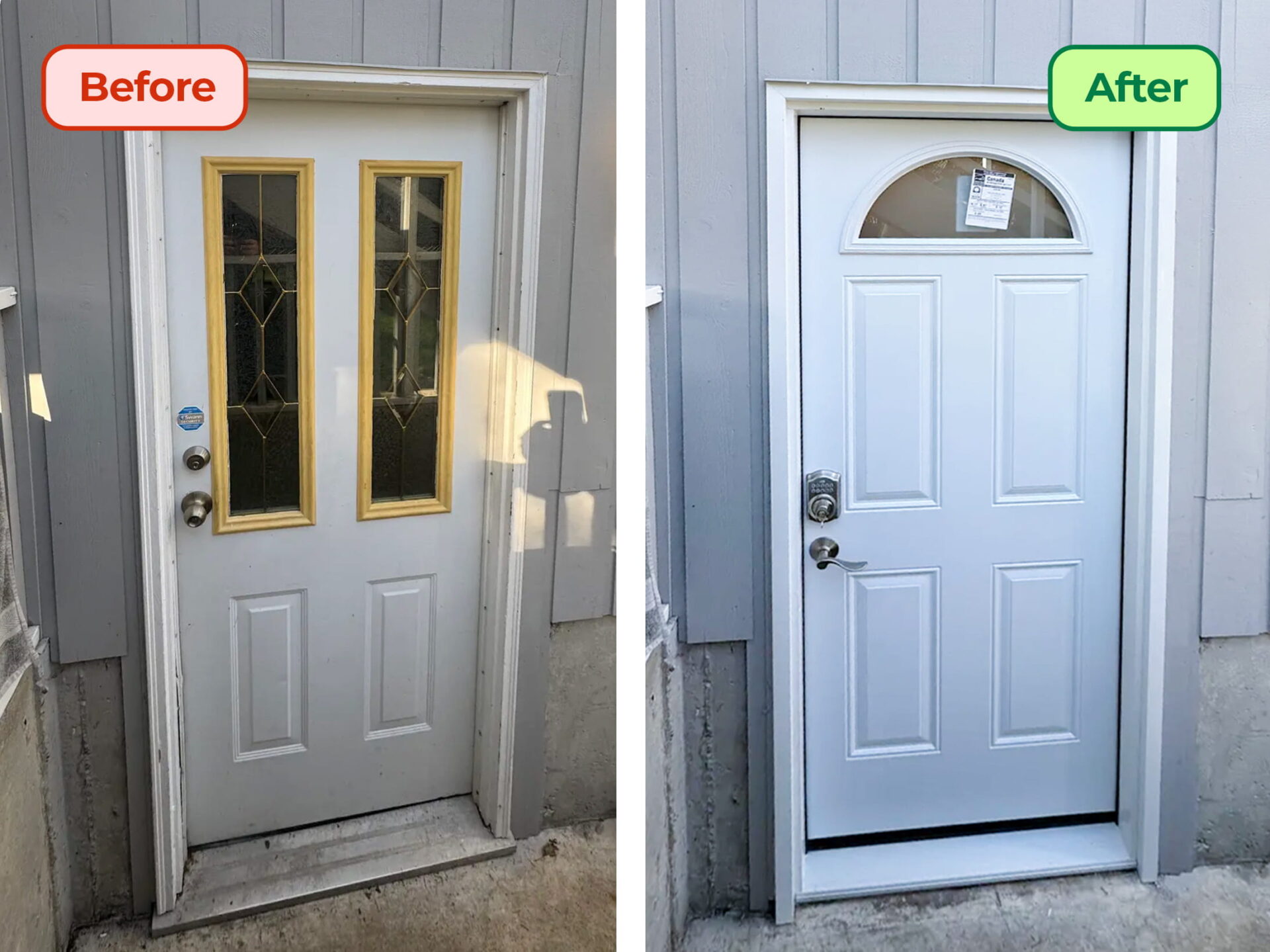
5 Red Flags Making an Entry Door Quote Look Cheaper Than It Really Is
Some quotes look appealing only because they leave out key details. That doesn’t make them a better deal; it makes them incomplete. A weak quote often hides the real price until you’re already committed.
Here are five red flags worth watching:
- One total price with no breakdown. If the quote shows one number and little else, it is too vague to compare properly.
- No exact product details. “Steel entry door” is not enough. The quote should identify the actual system, frame, glazing, and size.
- No energy specifications. If energy performance is mentioned without U-factor, SHGC, glazing details, or air leakage data, that is a concern.
- Vague installation wording. “Installation included” says very little if removal, insulation, sealing, and disposal are not listed.
- Unclear warranty or payment terms. If warranty coverage, deposit structure, or change-order rules feel slippery, the project may become the same way.
Compare Quotes by Scope and Performance, Not Just Price
A good entry door quote should make the whole project clear before any work starts. It should show exactly which door you’re getting, how it performs, what’s included, and where extra costs might arise. This helps you compare offers and avoid costly surprises.
The lowest price isn’t always the best value. Sometimes it just means the job is incomplete. Reviewing quotes carefully can save you money, stress, and frustration, so don’t hesitate to ask questions, analyze the market and compare different quotes to find the offer that matches both your expectations and budget.
 2025 Guidelines for ENERGY STAR® Certified Windows, Doors and Skylights
 7 Common Mistakes That Prevent Choosing the Ideal Entry Doors
 Exterior Door Installation Cost in Canada (2026): Real Price Guide for Homeowners
 Getting a Window Quote in 2026: How FREE In-Home Appointments Work
 How to Compare Window Quotes & Find a Reliable Company for Your Project?

1750 Coast Meridian Rd #102,
Port Coquitlam, BC V3C 6R8
100, 17866 106A Avenue,
Edmonton, AB, Canada,
T5S 1V3
3307 Dunmore Rd SE #12,
Medicine Hat, AB,
Canada, T1B 3R2
2081 Merivale Rd #201, Ottawa, ON, Canada, K2G 1G9
by appointment only
108, 55 Akerley Blvd, Dartmouth,
NS, Canada, ВЗВ 1M3