

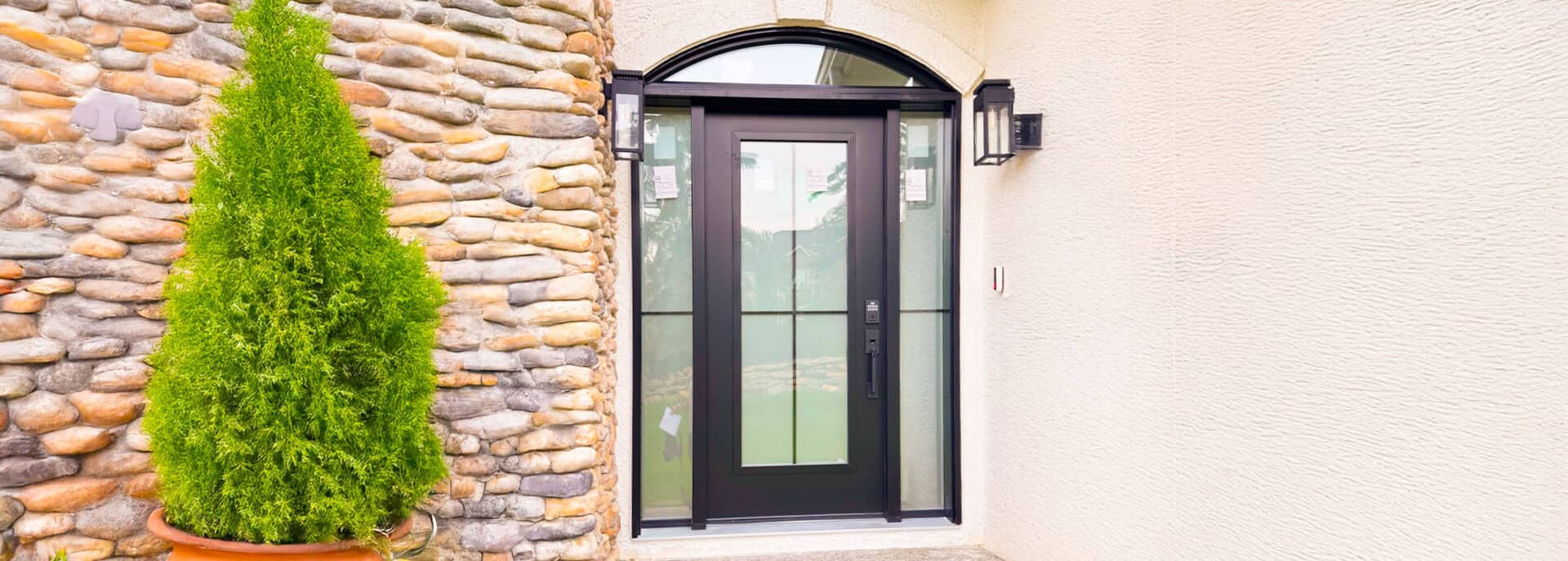

-RATED BY




Built in Canada
All Ecoline windows and doors are built in Ontario, Canada
- Top-of-the-line machinery (Forel, Gracco, Bottero) to produce the best products
- Over 60,000 sq. ft manufacturing plant
- Energy Star-rated and NAFS-11-tested
- Manufactured for local weather conditions
Troubleshooting the Top 9 Entry Door Problems Every Homeowner Faces
Nov 25, 2025
9 min read
2129
Your exterior door plays a bigger role than most homeowners realise. It protects your household from harsh Canadian winters, keeps intruders out, and delivers up to 90% ROI when replaced, thanks to improved curb appeal and energy savings.
Even better, a properly insulated and sealed entry door can help reduce heating and cooling costs by up to 10%, making everyday comfort more affordable.
But as doors age, some issues begin to show – drafts, sticking, worn hardware, foggy glass – and these can quickly turn into major comfort and security concerns if ignored.
The good news is that many of these typical front door troubles are easy to identify early and sometimes even DIY them using some cheap fixes. Others signal that it’s time to consider a full entry door replacement for better performance, energy efficiency, and safety.
Today, our experts break down the top 10 most common entry door problems – how to spot them, when quick DIY fixes apply, and when professional upgrades are your best choice.

1. Drafts and Air Leaks Around the Door Frame
Over time, weather-stripping wears down, hinges loosen, or the frame shifts due to seasonal expansion and contraction. Even tiny gaps let cold air in, driving up heating bills and making entryways uncomfortable.
How to fix entry door drafts and leaks
DIY fixes you can try:
- Replace worn or missing weather-stripping. New weather-stripping can reduce air leakage by up to 50%.
- Adjust hinges to eliminate misalignment
- Apply new caulking around the exterior trim
- Use a door sweep or threshold adjustment to close bottom gaps
When opting for full door replacement:
If drafts are caused by a warped door slab, rotten frame, or failed installation, temporary fixes won’t hold. An energy-efficient steel or fibreglass replacement door ensures a tight seal and better insulation, reducing possible energy loss by up to 15%.
2. Door Sticking or Hard to Open and Close
Exterior doors frequently swell or contract with changes in humidity and temperature. Loose hinges, settling foundations, and frame warping can also create friction points that cause the door to rub, drag, or jam.
How to fix sticking doors:
DIY solutions:
- Tighten hinge screws or replace stripped ones with longer screws
- Sand minor rubbing areas on wooden doors
- Lubricate hinges and latch components
- Adjust the strike plate for proper latch alignment
Professional replacement recommended when:
The frame has twisted or shifted significantly, or a wood door has warped beyond repair. In these cases, a new properly installed entry door ensures smooth operation year-round.
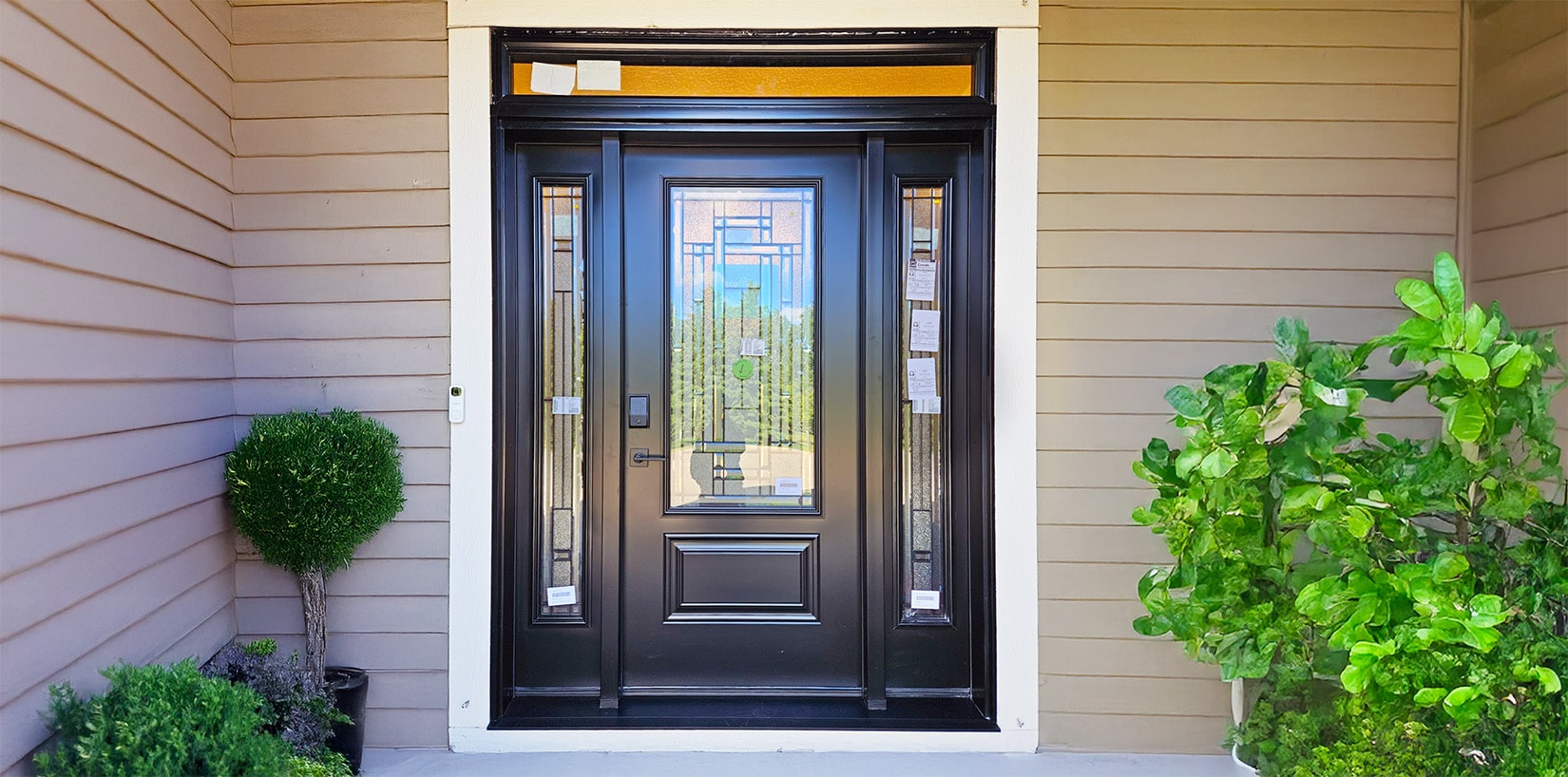
3. Seal Failure or Condensation Between Glass Panes
Glass inserts in entry doors rely on a sealed insulating glass unit (IGU). Over time, exposure to moisture, UV rays, and extreme temperature swings can cause this seal to break down. Moisture becomes trapped between the panes, creating a foggy appearance and reducing insulation performance.
How to fix condensation between glass panes:
DIY solutions:
- There are no reliable long-term DIY repairs for a failed glass seal
- Temporary kits may clear fog only briefly and do not restore insulation
Professional replacement recommended when:
The glass remains permanently foggy or wet between panes. Replacing the entire glass insert or upgrading to new energy-efficient glass entry doors is the only durable solution.
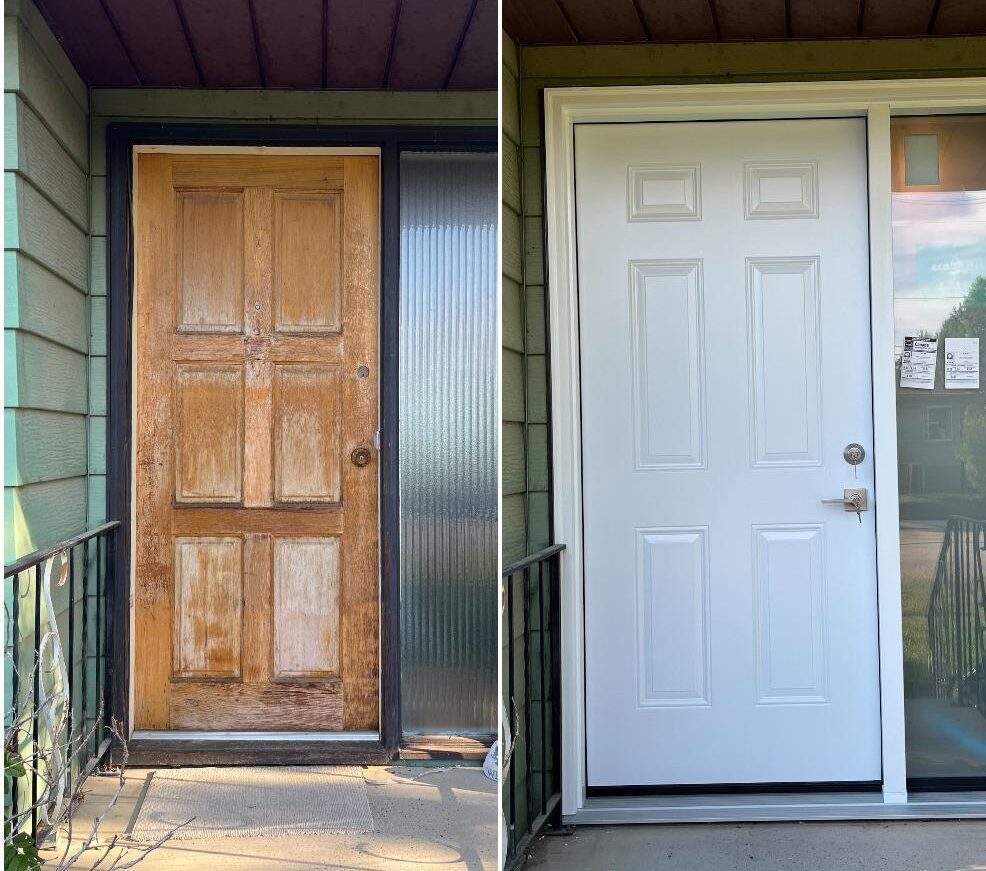
4. Warping, Rotting, or Cracking Front Doors
Wood entry doors are particularly vulnerable to moisture absorption, which can lead to swelling, cracking, or rot. Even metal doors can deform due to repeated freeze-thaw cycles or structural stress. These issues compromise security, fit, and weather performance.
How to fix warping entry doors
DIY solutions:
- Minor surface cracks or peeling can be sanded and refinished (wood only)
Professional replacement recommended when:
If there is visible rot, structural damage, recurring water intrusion, or significant distortion, the only option is to install a new, modern, energy-efficient door. Installing a steel or fibreglass replacement door ensures maximum durability and long-term stability in thermal performance and comfort.
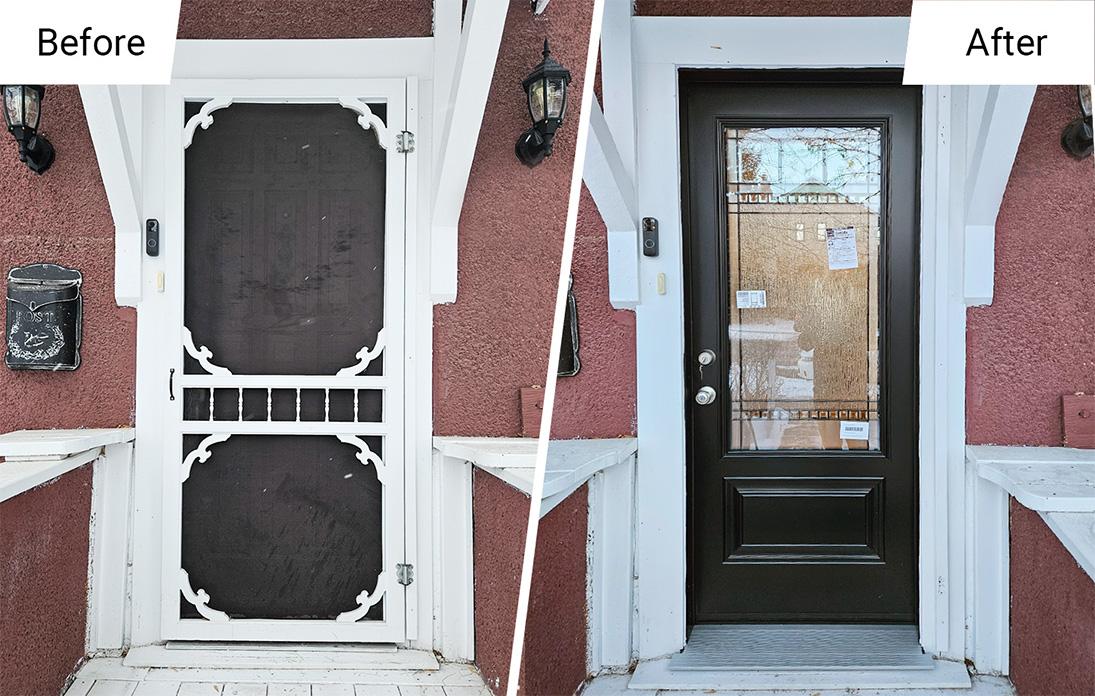
5. Rust, Corrosion, or Finish Deterioration
Harsh winters, humidity, and constant leaks can accelerate corrosion on steel doors and metal components. Damaged paint or coating exposes the underlying metal, accelerating deterioration and reducing protection.
How to fix rusty entry doors:
DIY solutions:
- Remove surface rust and repaint with a weather-resistant coating
- Lubricate exposed metal parts to reduce friction and rust formation
Professional replacement recommended when:
Rust can progress deep into the core or affect the structural integrity. A new insulated steel or fibreglass door with a durable factory finish will prevent recurring issues.
6. Hardware Problems: Loose Hinges, Faulty Locks, Misaligned Latch
Door hardware is constantly used and exposed to weather, making it vulnerable to wear and misalignment. In fact, tests reveal that lower-grade locks fail to meet performance standards when subjected to realistic break-in simulations.
Loose hinges can cause sagging, and misaligned strike plates mean the bolt won’t fully engage, reducing security and placing extra strain on the door.
How to fix entry door hinges and locks
DIY solutions:
- Tighten hinge screws; replace stripped screws with longer ones anchored into the frame
- Realign or replace the strike plate so the latch engages smoothly
- Lubricate hinges and lock mechanisms annually
- Consider replacing worn hardware with at least Grade 1 or Grade 2-rated locks.
Professional replacement recommended when:
If the frame is damaged, the door sagged significantly, or hardware replacement continues to fail. At that point, installing a new door with a multi-point lock system is the best long-term solution.
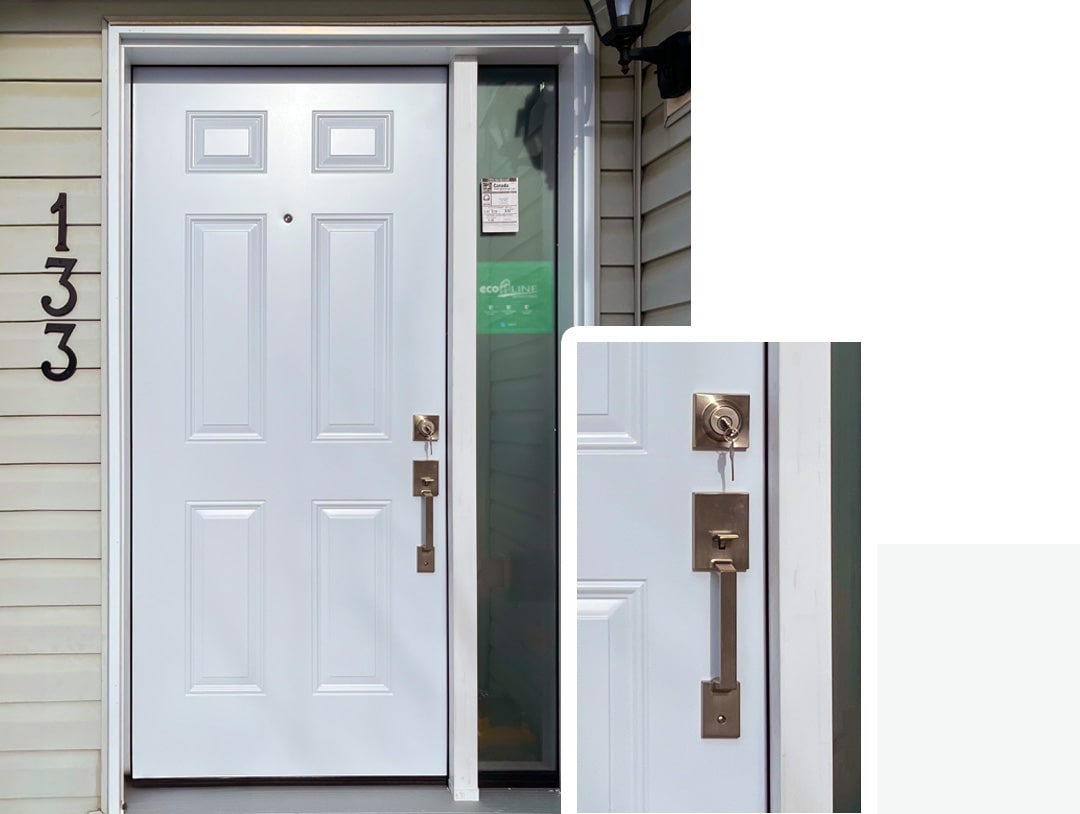
7. Faded Door Frames, Peeling Paint or Finish Degradation
Exterior doors face extreme conditions: snow, rain, UV rays and frequent use. According to exterior-paint experts, you might expect 5-7 years between recoats, but in direct sun and harsh-weather zones, it can be as little as 3-5 years, especially if you have cheap exterior doors installed.
Peeling, blistering or fading not only looks bad but it also allows moisture and UV to reach the door core, leading to structural issues.
How to fix a faded door frame
DIY solutions:
- Inspect annually for signs of cracking or peeling
- Lightly sand problem areas and apply high-quality exterior paint or finish
- Choose lighter colours in high-sun areas to reduce UV degradation
Professional replacement recommended when:
The finish is deeply cracked, the door material is exposed in multiple areas, or moisture intrusion has begun. A new replacement door with a durable factory finish will drastically reduce maintenance and improve performance.
8. Entry Doors with Low Energy Efficiency
Older entry doors often feature thin cores, lack proper insulation or have single-pane glass inserts, all of which significantly reduce thermal performance.
These outdated doors can allow significant heat loss in winter and heat gain in summer, driving up utility costs. For homeowners, a key performance metric here is the U-factor. Your front doors should have a U-factor of 0.30 or lower if you live in colder regions.
Homeowners in warmer areas should consider doors with a U-factor below 0.40, and also pay attention to the Solar Heat Gain Coefficient (SHGC) to minimise indoor heat buildup.
How to increase the entry doors thermal performance:
DIY solutions:
- Replace worn weather-stripping and install a door sweep to reduce drafts
- Use thermal curtains or draft blockers for added insulation
Professional replacement recommended when:
The door shows signs of insulation failure (cold or hot spots), is fitted with single-pane glass, or utility bills remain high despite basic sealing efforts. Installing a new steel or fibreglass door with modern insulation, proper glazing and professional installation will significantly improve comfort and reduce energy costs.
9. Poor Front Doors Installation
Even the best entry door will underperform if installed incorrectly. DIY installs, especially when combined with stock doors that offer lower insulation values, often result in air leaks, misalignment, and weak security points.
According to statistics, up to 30% of energy loss around entry doors can be attributed to improper installation and sealing. Additionally, security is compromised – 34% of home burglaries begin with forced entry through a door.
Professional installation ensures proper fit, weatherproof sealing, and security performance. It also protects your investment, since reliable door companies include installation with purchase to prevent warranty voiding and guarantee optimal long-term performance.



1750 Coast Meridian Rd #102,
Port Coquitlam, BC V3C 6R8
100, 17866 106A Avenue,
Edmonton, AB, Canada,
T5S 1V3
3307 Dunmore Rd SE #12,
Medicine Hat, AB,
Canada, T1B 3R2
2081 Merivale Rd #201, Ottawa, ON, Canada, K2G 1G9
by appointment only
108, 55 Akerley Blvd, Dartmouth,
NS, Canada, ВЗВ 1M3